

Builder gel is not inherently bad for your nails. Applied over gently prepped nails, cured properly and removed or refilled with care, it can actually protect weak nails and help them grow. The damage people associate with builder gel almost always comes from technique: aggressive filing or drilling, peeling the product off, leaving lifted areas unattended, or developing an allergy to acrylates after repeated skin contact.
In this guide
- What builder gel does to the nail
- The real risks and how to avoid them
- Over-filing: the biggest culprit
- Peeling and picking
- Allergy: the risk that does not grow out
- Heat spikes and nail bed comfort
- Signs your nails are coping well
- Building a safer routine in the UAE
- Who should avoid builder gel
- Frequently asked questions
What builder gel does to the nail
Builder gel is a thicker, self-levelling gel used to add a strong layer over the natural nail or to build extensions. It sits on top of the nail plate and bonds to its surface. It does not “suffocate” the nail. Nails do not breathe; they receive nutrients and oxygen from the blood supply in the nail bed and matrix underneath, not from the air.
What can change is the nail plate’s surface. Every time a nail is buffed, the top cells are removed. Every acetone soak dries it out a little. Done gently, these effects are small and the nail grows out normally. Done roughly or very often, they add up.
Myths and facts
- Myth: nails need to “breathe” between sets. Fact: nails get oxygen from the bed, but breaks can help if nails are thin or sore.
- Myth: builder gel makes nails grow faster. Fact: it does not change growth speed; it can reduce breakage so length is retained.
- Myth: all damage is from the product. Fact: most damage comes from filing, peeling and rushed removal.
The real risks and how to avoid them
| Risk | What causes it | How to avoid it |
|---|---|---|
| Thin, weak, bendy nails | Heavy buffing, e-file bits cutting into the nail, peeling | Light prep only, gentle e-file use, never peel |
| White patches and peeling layers | Dehydration from long soaks, surface damage | Shorter soaks, oil afterwards, fill-ins instead of full removal |
| Lifting and trapped moisture | Poor prep, gel on cuticles, overdue appointments | Clean prep, keep product off skin, rebalance on time |
| Infection under lifted gel | Water and bacteria trapped in gaps | Remove lifted product, do not glue down lifts |
| Allergic contact dermatitis | Uncured gel on skin, under-curing | Keep gel off skin, full cure, matched lamp |
| Sore nail bed or heat spikes | Thick layers curing at once | Thin layers, low-heat cure mode |
Over-filing: the biggest culprit
Electric files are standard in many salons and are safe in trained hands. The problem is when the bit is too coarse, the speed too high, or the technician works directly on the natural nail to “prep” it. That can cut grooves, called rings of fire, into the nail plate. They show up as red, sore lines near the cuticle and leave the nail thinner as it grows out.
Builder gel prep should only remove the shine from the nail surface. If the nail feels hot, tender or sore during or after a service, that is a sign of over-filing.

Peeling and picking
Lifting edges are tempting to pick. Pulling builder gel off is one of the most damaging things you can do, because the gel is bonded to the top layers of the nail plate and takes them with it. Nails that have been peeled often look patchy and white, feel thin and bend easily for months until they grow out.
If a nail is lifting, book an early fill-in or removal. In the meantime, keep it dry and avoid catching it.
Allergy: the risk that does not grow out
Acrylates and methacrylates in gel products, including builder gels, are a recognised cause of allergic contact dermatitis. It usually starts with itching or redness around the nail folds or fingertips, sometimes with blisters, and can appear on eyelids, the face or neck from touching. Once a person is sensitised, the allergy is usually lifelong and can affect future products that contain similar chemicals, including some dental and medical materials.
The main triggers are uncured gel touching the skin and under-cured gel. Reduce your risk by:
- Choosing a technician who keeps product off cuticles and side walls
- Making sure each layer is cured fully with the correct lamp
- Not doing frequent DIY touch-ups that leave uncured residue
- Washing hands after a service and before touching your eyes
Stop and see a dermatologist if
- Itching, redness or blistering appears around nails after a service
- Rashes appear on eyelids or face after nail treatments
- Nails lift from the bed, change colour or hurt
A dermatologist in the UAE can arrange patch testing. Do not keep wearing gel while symptoms persist.
Heat spikes and nail bed comfort
Builder gel is thicker than polish, and as it cures it releases heat. Some people feel a brief burning sensation under the lamp. Thin layers, a low-heat or step-cure lamp setting, and pulling the hand out briefly help. Repeated strong heat spikes are uncomfortable and best avoided.
Signs your nails are coping well
Healthy nails under builder gel typically:
- Look pink and evenly coloured after removal
- Feel firm, not paper-thin
- Have no soreness, lifting from the bed or discolouration
- Have healthy, unbroken cuticles and skin
If your nails do not look like this, take a break from gel for a few weeks. Keep them short, oil them daily and wear gloves for wet work while they recover.
Builder gel is a tool. The way it is applied and removed decides whether it protects your nails or wears them down.
Building a safer routine in the UAE
- Choose licensed salons with clear hygiene practices and trained technicians.
- Ask about removal before you book: fill-ins, soak-off or filing.
- Book rebalances on time, typically every few weeks.
- Use cuticle oil daily; air conditioning dries skin and nails.
- Wear gloves for cleaning and dishwashing.
- Take a short break if nails look thin or feel sore.
Our Manicure Types Compared page explains when builder gel is a good fit compared with regular gel polish, acrylic or bare nails, and the Home Manicure Checklist covers daily care.
Who should avoid builder gel
- People with a known acrylate allergy
- Anyone with a nail infection, paronychia or broken skin around the nails
- People with psoriasis or eczema affecting the nails during flares
- Anyone with nails separating from the nail bed
If you have diabetes or circulation problems, check with your doctor before any nail service involving filing near the skin.
Frequently asked questions
Does builder gel weaken nails over time?
Not by itself. Weakness usually comes from over-filing, peeling or very frequent removals.
Should I take breaks from builder gel?
If your nails look and feel healthy, breaks are optional. If they are thin, sore or peeling, a break helps.
Is builder gel safer than acrylic?
Neither is automatically safer. Both contain acrylates and both depend on good technique and removal.
Can builder gel cause infection?
The gel does not cause infection, but lifted areas can trap water and bacteria. Remove lifted product promptly.
Sources: American Academy of Dermatology, NHS: Contact dermatitis, US FDA: Cosmetics
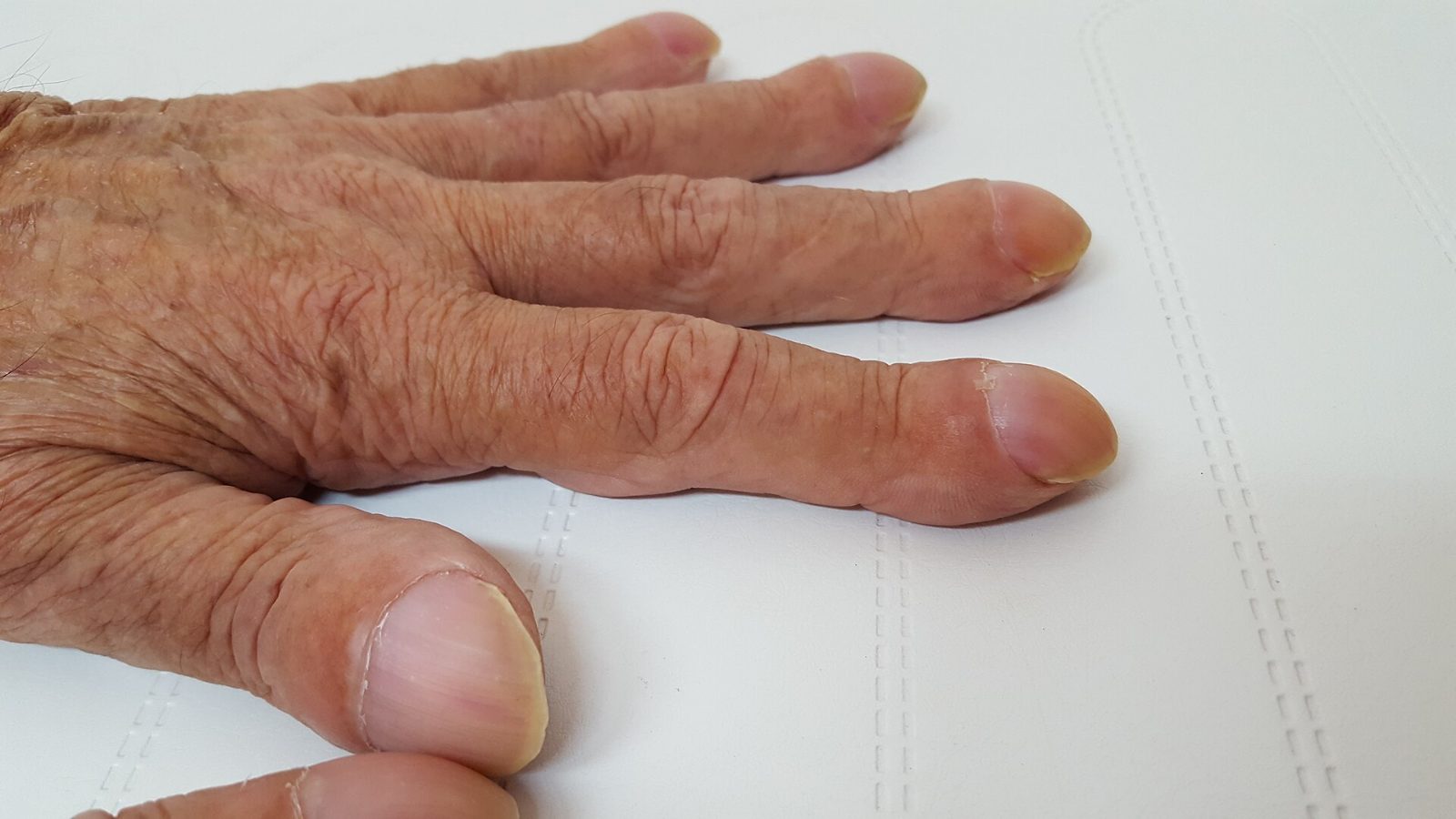
Cover photo: Vi..Cult…, CC BY-SA 3.0. Last reviewed: 2026-11-26. General information only, not medical advice. Please consult a licensed practitioner in the UAE about your own situation.