
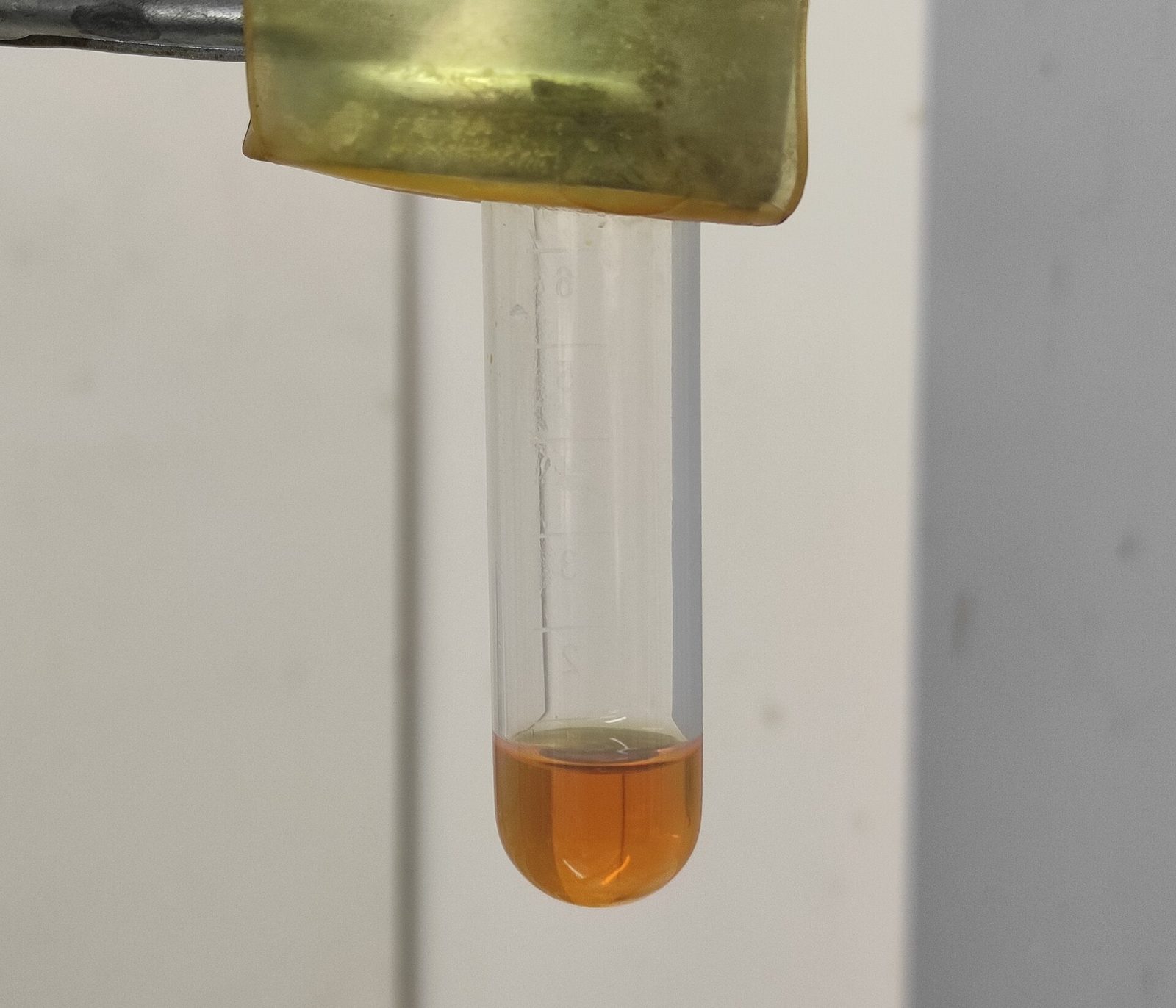
Gel nail polish remover is almost always acetone-based, because acetone is the solvent that softens cured soak-off gel. Products range from pure acetone to “gel removers” with added oils or conditioners, and from loose liquid to pre-soaked wraps and clips. For most people, a high-acetone remover used with foil wraps or clips, a light file of the top coat first, and oil and cream afterwards gives the best balance of speed and skin comfort.
This guide is about choosing and handling remover products. For the full step-by-step removal process, see our guide on how to remove gel nail polish.
In this guide
Why gel needs acetone
Regular polish dries by evaporation and dissolves easily in mild removers. Soak-off gel is a cross-linked film, so it does not dissolve; instead, acetone penetrates it, makes it swell and soften, and lets it be lifted away. Non-acetone removers, often based on ethyl acetate, are gentler on skin but usually too weak to remove gel in a reasonable time.
Hard gel is a different case. It does not soften in acetone and has to be filed off by a technician.
Quick guide
- Soak-off gel polish, rubber base, many builder gels: acetone
- Dip powder and acrylic: acetone, often longer soaking
- Hard gel: filed off, not soaked
- Regular polish: acetone or non-acetone remover
Types of remover products
| Product | What it is | Pros | Cons |
|---|---|---|---|
| Pure acetone | 100% or close to it | Fastest, inexpensive | Most drying for skin and nails |
| Gel remover | Acetone with oils, glycerin or vitamin additives | Slightly kinder to skin | May work a little slower |
| Pre-soaked wraps | Foil or pads with remover inside | Convenient, less mess | Can dry out if packaging is opened |
| Remover clips with cotton | Reusable clips hold acetone-soaked cotton | Tidy, reusable | Need separate acetone |
| “Peel-off” base removers | Special bases designed to lift off | No acetone | Only works if that base was used; peeling can damage nails if forced |
| Non-acetone remover | Ethyl acetate or similar | Gentler | Usually ineffective on gel |
Added oils can leave a residue, so wash and dry the nails before applying a new set.
How to use remover with less damage
- Break the seal. Lightly file the shiny top coat so acetone can penetrate. Do not file into the colour or the natural nail.
- Protect the skin. Apply cuticle oil or a balm around the nail before soaking; it reduces dryness.
- Wrap or clip. Place acetone-soaked cotton on each nail and cover with foil or a clip. This is gentler than soaking whole fingertips in a bowl.
- Wait. Usually around ten to fifteen minutes for gel polish; builder gels and dip may take longer. Follow the product’s guidance.
- Lift gently. Use a wooden or rubber pusher. If gel resists, rewrap for a few more minutes rather than scraping.
- Finish. Wash hands, then apply oil and a rich hand cream.
Warm, not hot
Some people warm their hands with a towel to speed removal. Never heat acetone itself, and never use it near a flame, stove or hot appliance.
Storage and safety at home
Acetone is highly flammable and evaporates quickly. A few rules matter in any home, and some matter more in the UAE climate:
- Keep it cool and away from heat. Never store acetone in a car; summer cabin temperatures are dangerous for flammable liquids.
- No flames or sparks. Do not use near candles, cigarettes, gas cookers or bukhoor and oud burners.
- Ventilate. Open a window or use a fan, especially in small bathrooms.
- Close tightly. Evaporation is fast, and fumes build up in closed spaces.
- Child safety. Store out of reach of children. If swallowed or splashed in the eyes, seek medical help immediately; for eyes, rinse with plenty of water while you get help.
- Surfaces. Acetone damages varnished wood, some plastics and painted surfaces. Work on a towel or glass.
Treat acetone like a fuel: useful, fast and to be kept well away from heat.
Protecting skin and nails
Acetone strips natural oils. After removal, the skin around the nails may look white and feel tight, and nails may appear chalky. This usually passes within hours, but repeated removals can leave skin dry and cracked.
- Use wraps or clips rather than soaking full fingertips.
- Apply oil before and after.
- Moisturise several times on removal day.
- Wait a few hours, or until the next day, before applying a fresh set if nails feel very dry, then cleanse well before applying.
If skin becomes red, itchy, cracked or blistered after removal, it may be irritation from acetone or an allergy to residual gel. Pause gel use and see a doctor or dermatologist in the UAE if it does not settle.
Salon removal vs home removal
Salons remove gel many times a day and usually have good ventilation, clips or wraps, and the patience to let products soften properly. If your nails are thin, if you have builder gel, dip powder or extensions, or if you have struggled with home removal before, a salon soak-off is often worth it. Ask the technician to soak rather than drill the colour off, and to stop if anything feels hot or sore.
At home, the most common mistake is impatience. When gel does not slide off at the first check, people scrape harder, which takes the top layers of nail with it. Rewrapping for a few more minutes almost always works better. Set a timer, put on a short video, and let the acetone do the work.
Keep an eye on how your hands look on the days after removal. Persistent dryness, small cracks at the fingertips or flaking around the nails suggest you need more oil and cream, fewer removals, or a gentler remover with added conditioners.
Disposal
Do not pour large amounts of acetone down the sink. Let used cotton dry out in a ventilated area away from heat before putting it in household waste. Dispose of empty bottles according to local municipal guidance.
Choosing a remover in the UAE
- Buy from reputable pharmacies and retailers with clear labelling.
- Check the acetone content if speed matters to you.
- Look for added conditioners if you have dry skin, but expect slightly slower removal.
- Choose a smaller bottle if you remove gel only occasionally; acetone evaporates even from closed bottles over time.
Our Home Manicure Checklist lists the full removal kit, and Manicure Types Compared explains which systems soak off and which need filing.
Frequently asked questions
Can I remove gel with regular nail polish remover?
Only if it contains enough acetone. Non-acetone removers are usually too weak for gel.
Is pure acetone bad for nails?
It is drying but not harmful when used briefly with oil and moisturiser afterwards. Damage usually comes from scraping or peeling.
Why does my gel not come off?
The top coat may not be filed enough, the wrap may not be sealed, or it may be hard gel, which cannot be soaked off.
Are peel-off bases safe?
They can be, if used as designed. Forcing them off before they release can damage the nail surface.
Sources: American Academy of Dermatology, US FDA: Cosmetics, NHS: Contact dermatitis
Cover photo: Leiem, CC BY-SA 4.0. Last reviewed: 2026-11-26. General information only, not medical advice. Please consult a licensed practitioner in the UAE about your own situation.