
Most nail ridges are harmless. Fine vertical ridges that run from the cuticle to the tip are very common and often become more noticeable with age or dryness. Horizontal ridges or dents that run across the nail are different: they can follow an injury or illness and are worth showing to a doctor if they appear without an obvious reason.
In this guide
How to tell the two types apart
Look at your nails in good daylight and run a fingertip gently over the surface.
| Direction | From cuticle to tip | Side to side, across the nail |
|---|---|---|
| How common | Very common, especially with age | Less common |
| Usual causes | Ageing, dryness, minor trauma to the cuticle | Injury, illness with fever, some medications, harsh manicuring |
| Typical action | Gentle care, moisturising | Look for the trigger; see a doctor if unexplained |
Horizontal grooves that affect several nails at once are sometimes called Beau’s lines. Because nails grow slowly, a groove usually appears weeks after the event that caused it, then slowly moves towards the tip as the nail grows out.
Why vertical ridges appear
Age
As we get older, the nail matrix, the tissue under the cuticle that makes the nail, produces nail cells a little less evenly. The result is fine vertical lines. They are a normal part of ageing, much like fine lines on the skin.
Dryness
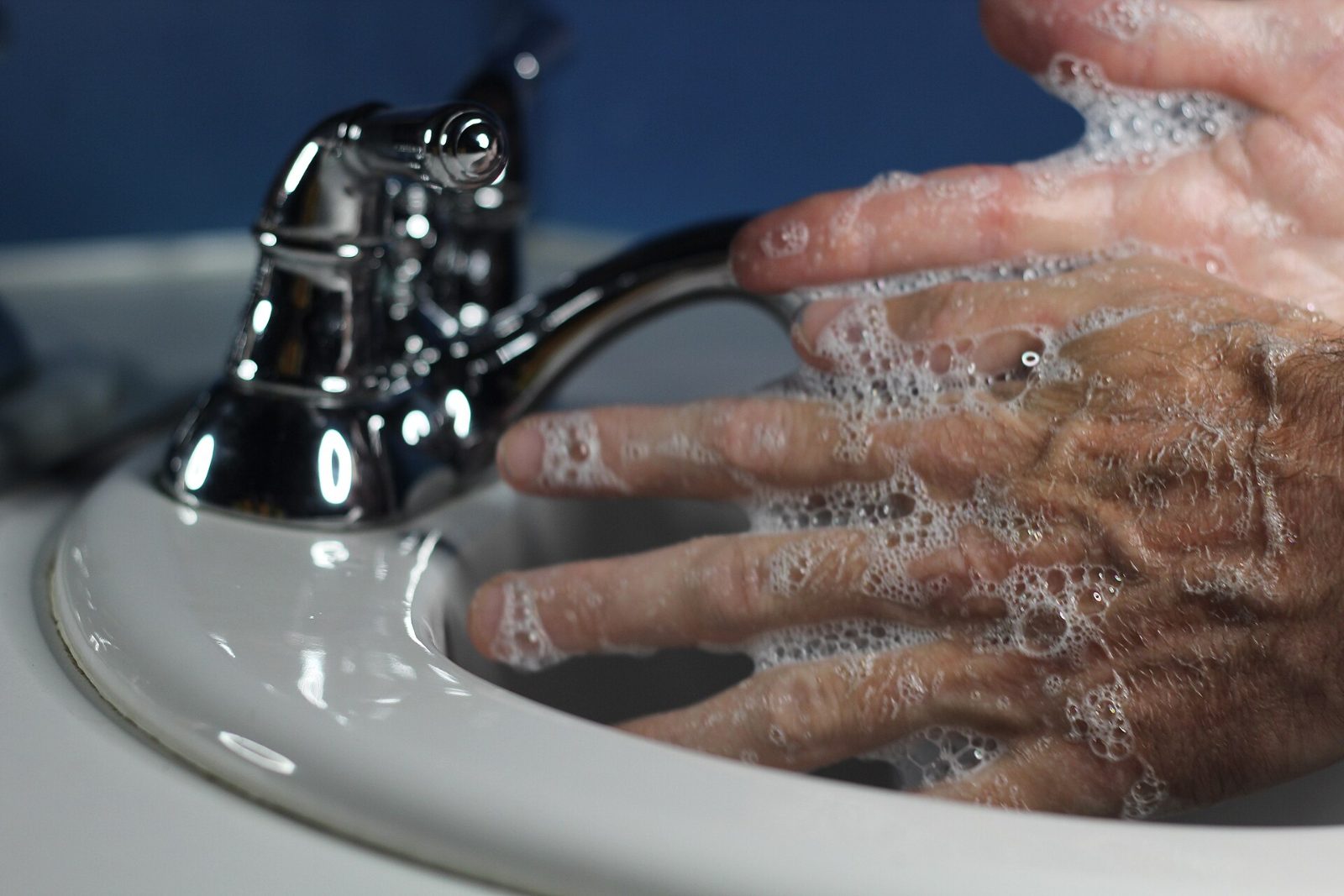
Dehydrated nails show ridges more clearly. In the UAE, long hours in air-conditioning, frequent hand-washing, sanitiser gels and swimming in chlorinated pools all pull moisture from the nails and the skin around them.
Cuticle damage
Cutting, picking or aggressively pushing the cuticle can injure the matrix underneath. That damage can show up later as a ridge, a dent or a white mark in the nail. This is one reason gentle cuticle care matters.
Daily habits that help
- Massage cuticle oil or a rich hand cream into the nails and cuticles every evening
- Wear gloves for cleaning and washing dishes
- Apply hand cream after every sanitiser use when you can
- File gently in one direction and keep nails at a manageable length
Why horizontal ridges appear
Horizontal ridges usually point to a temporary interruption in nail growth. Possible triggers include:
- An injury to the nail or fingertip, such as catching it in a door
- A recent illness with a high fever
- Some medical treatments, including chemotherapy
- Repeated harsh manicuring or pushing on the cuticle
- Skin conditions affecting the nail folds, such as eczema or psoriasis
If you can link the groove to an obvious event, such as a bad flu six weeks earlier, it will normally grow out on its own. If several nails are affected and you cannot think of a reason, or the ridges keep coming back, it is sensible to see a doctor, who may want to check your general health.
See a doctor promptly if you notice
- New horizontal grooves on several nails without a clear cause
- A dark brown or black line running along the nail, especially if new, widening or on one nail only
- Nail lifting from the nail bed, pain, swelling or pus
- Pitting, thickening or crumbling, which can point to psoriasis or a fungal infection
- Ridges together with symptoms such as tiredness, weight change or breathlessness
Can you buff ridges away?
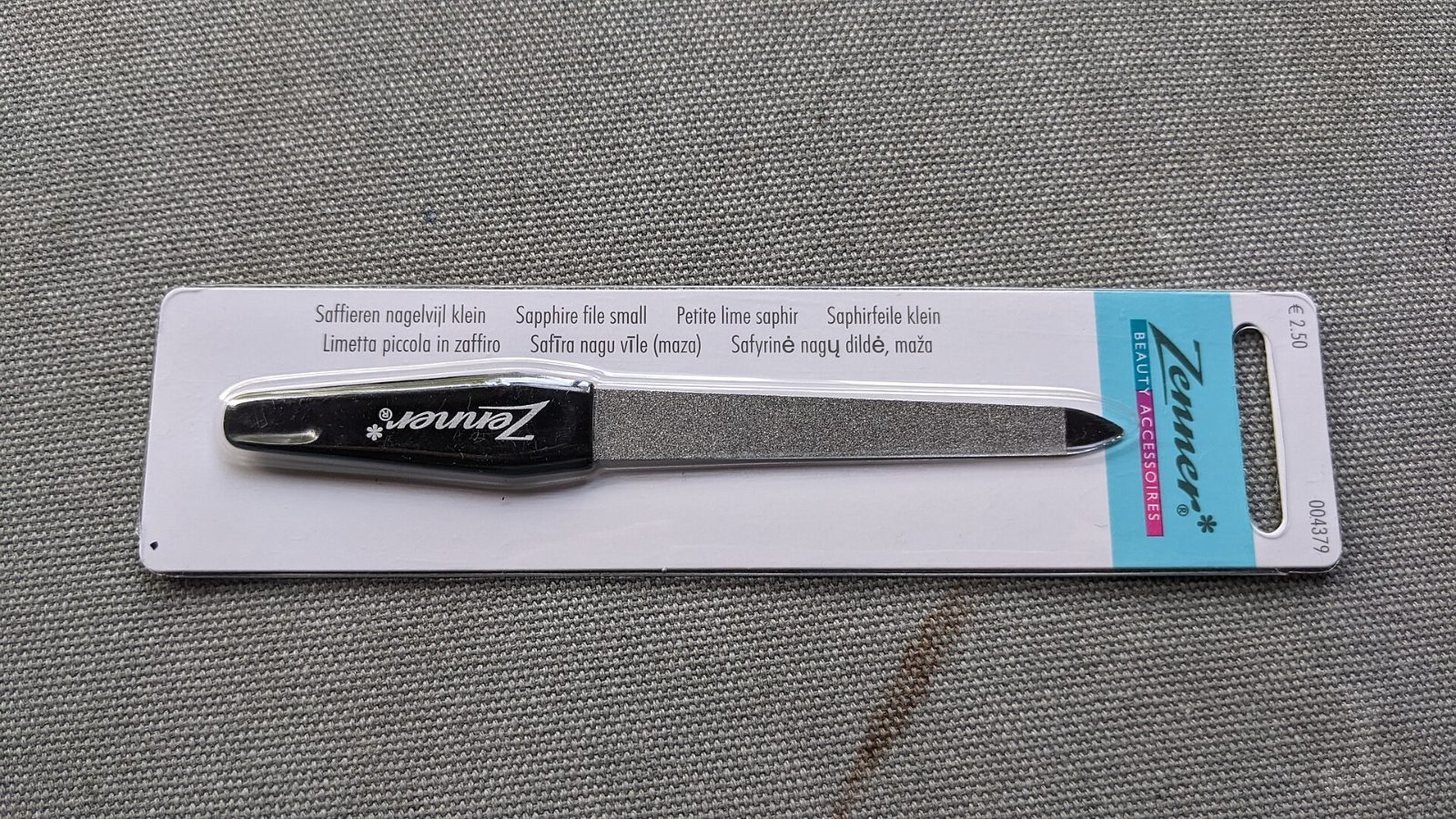
Light buffing can soften the look of fine vertical ridges, but it thins the nail plate. Over-buffing leaves nails weak, bendy and more likely to split. If you buff, do it gently, rarely, and only on the surface. Never buff a nail that is already thin or peeling.
A ridge-filling base coat is a gentler option. It fills small grooves so that polish lies smoothly and looks glossy. It is a cosmetic fix only; it does not change how the nail grows.
Manicures and ridged nails
You do not need to avoid manicures because of ridges, but a few choices help:
- Ask your technician to skip heavy buffing and use a ridge-filling base instead.
- Avoid aggressive cuticle cutting; pushing back gently is enough for most people.
- If you wear gel, have it removed properly rather than peeling it off, which strips layers of nail.
- Take short breaks between gel sets and moisturise during them.
Our manicure types comparison explains which styles are gentlest on the natural nail.
Vertical ridges are usually about age and moisture; horizontal grooves are a clue worth following up.
A simple weekly routine for ridged nails
Consistency matters more than any single product. A routine that takes ten minutes a week is enough for most people:
- Remove any polish with a gentle remover and wash your hands.
- File the tips lightly to smooth snags that could catch and split.
- Soak fingertips in lukewarm water for a few minutes, then pat dry.
- Push cuticles back gently with a soft towel or orange stick.
- Massage oil into each nail and cuticle, then follow with hand cream.
- If you like colour, use a ridge-filling base before polish.
Night-time is the best moment for oil and cream, because hands rest for hours without washing. Cotton gloves over a rich cream once or twice a week can help very dry hands, which is common in the cooler months when people spend more time outdoors and in air-conditioned spaces.
Nutrition and nails
Healthy nails depend on overall health. A varied diet with enough protein supports normal nail growth. Some people with iron deficiency notice brittle or spoon-shaped nails. However, taking supplements without knowing you are deficient is not a reliable fix for ridges and is not always safe. If you think your diet or a health condition is affecting your nails, ask a doctor whether a blood test makes sense rather than self-treating.
Who should seek medical advice first
Book an appointment with a GP or dermatologist licensed by the DHA, DOH or MOHAP before trying cosmetic fixes if you:
- Have diabetes or poor circulation and notice nail changes, especially on the feet
- Have a known skin condition such as psoriasis or eczema around the nails
- Have had a recent serious illness or are undergoing medical treatment
- See changes on just one nail that you cannot explain
Frequently asked questions
Are vertical nail ridges a sign of vitamin deficiency?
Usually not. They are most often linked to age and dryness. If you have other symptoms, a doctor can check whether tests are needed.
Do nail ridges go away?
Horizontal ridges grow out as the nail grows. Vertical ridges linked to age tend to stay, but moisturising and a ridge-filling base make them less noticeable.
Can gel polish cause ridges?
Incorrect removal, heavy filing or peeling gel off can damage the surface and the cuticle, which may lead to ridges or weak spots.
Should I buff my nails smooth?
Only lightly and rarely. Over-buffing thins the nail plate and makes it weaker.
Sources: American Academy of Dermatology, NHS: nail problems, Dubai Health Authority
Last reviewed: 2026-11-25. General information only, not medical advice. Please consult a licensed practitioner in the UAE about your own situation.