
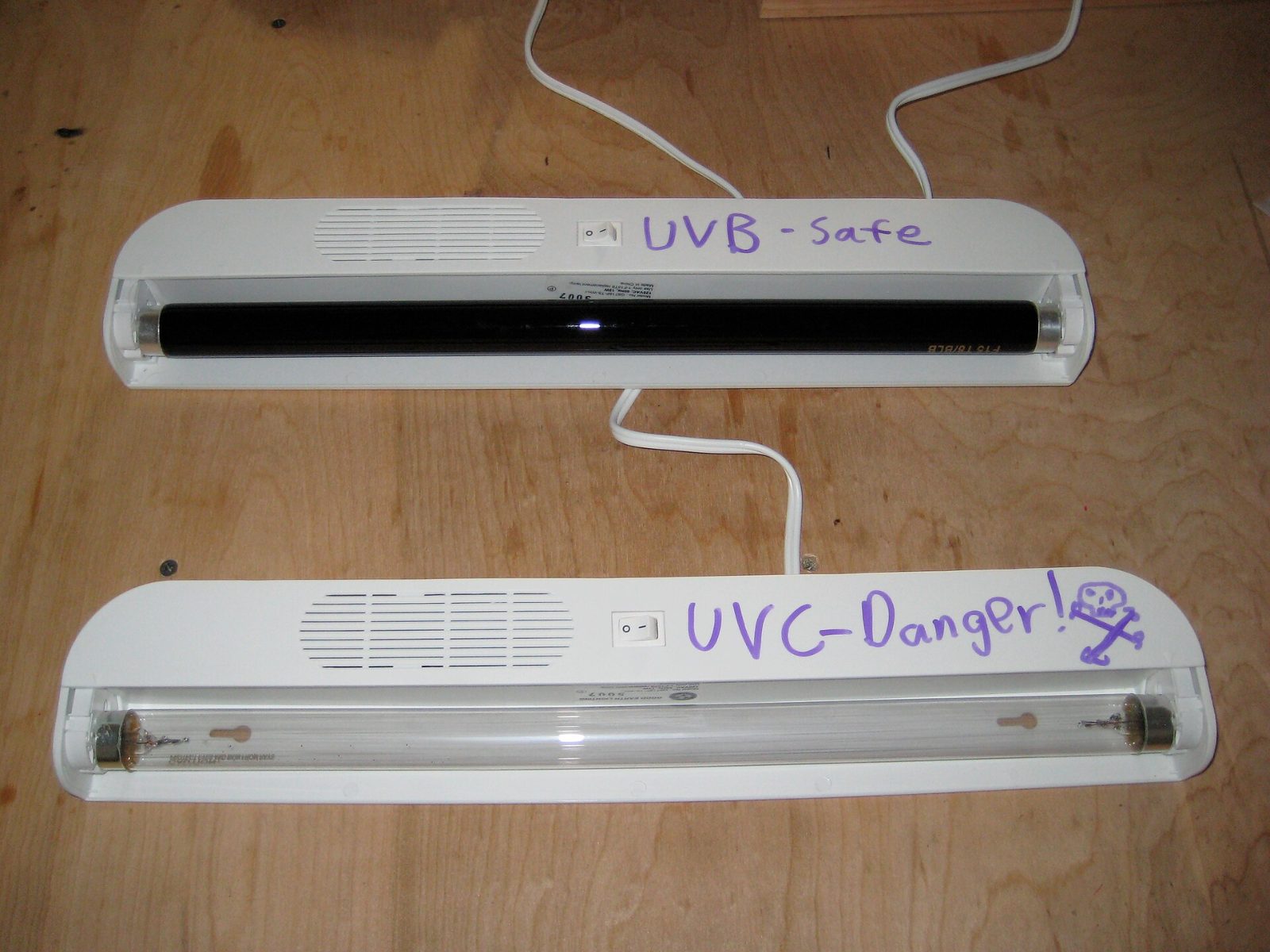
UV gel nail polish is gel that hardens when exposed to ultraviolet light from a nail lamp. Today most “UV gels” also cure under LED lamps, which emit a narrower band of UV-A and visible light and usually cure faster. What matters is that the lamp matches the gel’s photoinitiators and that each layer is cured for the full time. Short exposures per manicure are generally considered low risk, but sunscreen or fingerless gloves are a simple precaution if you have frequent manicures.
In this guide
How gel cures under light
Gel polish contains monomers and oligomers, mostly acrylates and methacrylates, plus a photoinitiator. When light of the right wavelength hits the photoinitiator, it produces reactive molecules that link the monomers together into a solid film. That is curing.
If the light is the wrong wavelength, too weak, or on for too short a time, curing is incomplete. The gel may feel hard on top but stay soft underneath, wear badly, or leave unreacted monomer that can irritate or sensitise skin.
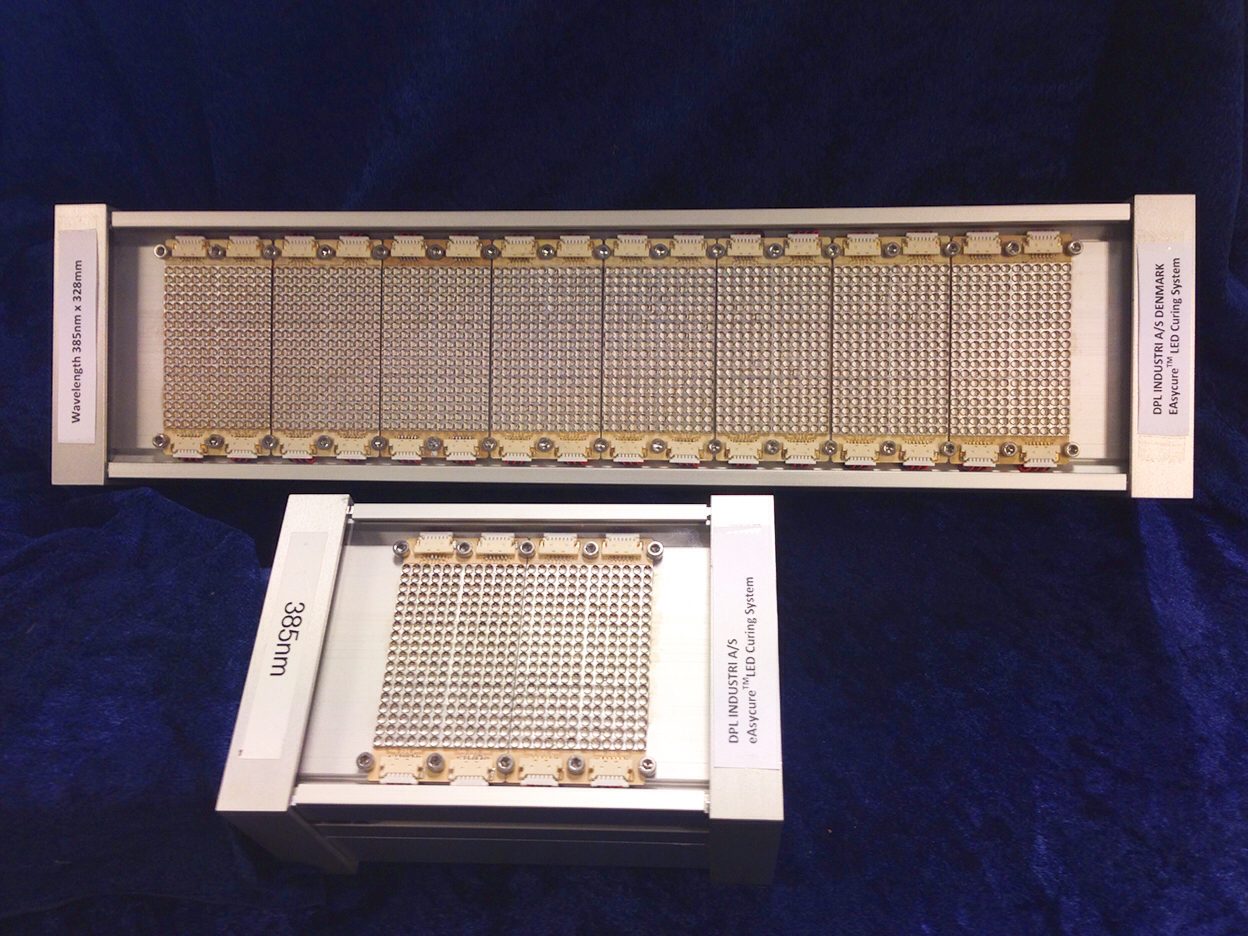
UV lamps vs LED lamps
| Light output | Broad UV-A range | Narrow peaks, often around 365 to 405 nm | Several narrow peaks |
|---|---|---|---|
| Typical cure time per layer | Longer | Shorter | Shorter |
| Bulb life | Bulbs fade and need replacing | Diodes last much longer | Long life |
| Gel compatibility | Cures most gels made for UV | Cures gels formulated for LED | Designed to cure most modern gels |
| Heat spikes | Less common | More common with thick layers | Varies; many have low-heat modes |
Exact times and wavelengths depend on the lamp and the gel. Always use the brand’s instructions.
Why matching lamp and gel matters
Different photoinitiators respond to different wavelengths. A gel designed for a broad UV lamp may not cure fully under a narrow-band LED, and some newer formulas, including many TPO-free gels, are tuned for specific lamps. Signs of a mismatch:
- Gel stays sticky or soft after the full cure time
- Wrinkling or a gummy layer under the top coat
- Early peeling or lifting
- Unusual skin irritation after manicures
If you see these, check that your lamp is recommended for that brand, that it has enough power, and that bulbs or diodes are working.
Get a full cure
- Apply thin layers. Thick gel blocks light from reaching the bottom.
- Position the hand flat and centred; cure thumbs separately.
- Keep the lamp clean; residue on the base reflects light unevenly.
- Replace old UV bulbs as recommended by the maker.
Skin safety under the lamp
Nail lamps emit UV-A, the same type of UV that contributes to skin ageing and, with enough exposure, skin cancer. Research on nail lamps has raised questions about cumulative exposure, and while the risk from occasional manicures is generally considered low, many dermatologists recommend simple precautions, particularly for people who have gel manicures often.
- Broad-spectrum sunscreen on the backs of hands, applied well before the manicure so it can absorb and does not interfere with bonding.
- Fingerless UV-protective gloves that leave only the nails exposed.
- Use the shortest effective cure: follow the brand’s times rather than adding extra.
People who are more sensitive to UV, such as those with photosensitive conditions or taking medicines that increase sun sensitivity, should ask their doctor before regular gel manicures.
A well-matched lamp means shorter cures, better wear and less exposure.
Heat spikes
Some people feel a hot or burning sensation when gel cures, especially with strong LED lamps and thick builder gels. The chemical reaction itself releases heat. To reduce it:
- Use thin layers.
- Use a lamp with a low-heat or step-up mode.
- Pull the hand out briefly if it becomes uncomfortable, then return it.
Repeated strong heat spikes are not normal and can make nails tender.
Looking after your lamp
A lamp is easy to forget once it is plugged in, but its condition affects every manicure. Wipe the inside base with a dry or slightly damp lint-free cloth after use so gel drips and dust do not build up. Check that all diodes or bulbs light up; one dead section can leave part of a nail under-cured. Traditional UV bulbs lose strength gradually even when they still glow, so replace them on the schedule the maker recommends. Keep the lamp out of humid bathrooms, unplug it when not in use, and do not cover the vents, as overheating shortens its life.
UV in the UAE: lamps and sunshine
Daily sun exposure in the UAE is high, and many people already protect their faces carefully but forget their hands. The backs of the hands get a lot of sun while driving and walking outdoors. Making sunscreen on hands a daily habit protects skin both from the sun and from nail lamps. Reapply after washing hands.
Strong sunlight can also start curing gel in a bottle left near a window, so store gels away from direct light.
Allergy and under-curing
Under-cured gel contains more unreacted acrylates, which are the main cause of allergic contact dermatitis from nail products. Signs include itching, redness, swelling or blisters around the nails or on fingertips, sometimes spreading to the eyelids or face. Stop using gel and see a dermatologist in the UAE if this happens. Patch testing can identify the chemical involved.
Avoid gel until checked if
- You have broken or infected skin around the nails
- You have a known acrylate allergy
- Your nails are lifting from the nail bed
- You have a photosensitive condition, unless your doctor agrees
Choosing a lamp for home use
- Check that it is compatible with your gel brand.
- Look for timers and, ideally, a low-heat mode.
- Make sure the opening fits your whole hand comfortably, with a separate position for thumbs if needed.
- Buy from reputable retailers with clear specifications and safety information.
Our Home Manicure Checklist lists lamp and safety basics, and Manicure Types Compared explains lamp-free options if you would rather avoid curing altogether.
Frequently asked questions
Is UV gel the same as LED gel?
Many modern gels cure under both. Some are formulated for one type, so check the label.
Are nail lamps dangerous?
The exposure per manicure is short. Sunscreen or fingerless gloves are simple precautions, especially with frequent manicures.
Why is my gel still sticky after curing?
Many gels leave a sticky inhibition layer that wipes off. If the gel is soft underneath, the lamp may not match or the cure was too short.
Can sunlight cure gel polish?
Sunlight can partly cure gel, but not evenly or reliably. Use a proper lamp.
Sources: American Academy of Dermatology, US FDA: Nail Care Products, Skin Cancer Foundation
Cover photo: ッ Zach Hoeken ッ from Brooklyn, NY, USA, CC BY-SA 2.0. Last reviewed: 2026-11-26. General information only, not medical advice. Please consult a licensed practitioner in the UAE about your own situation.