
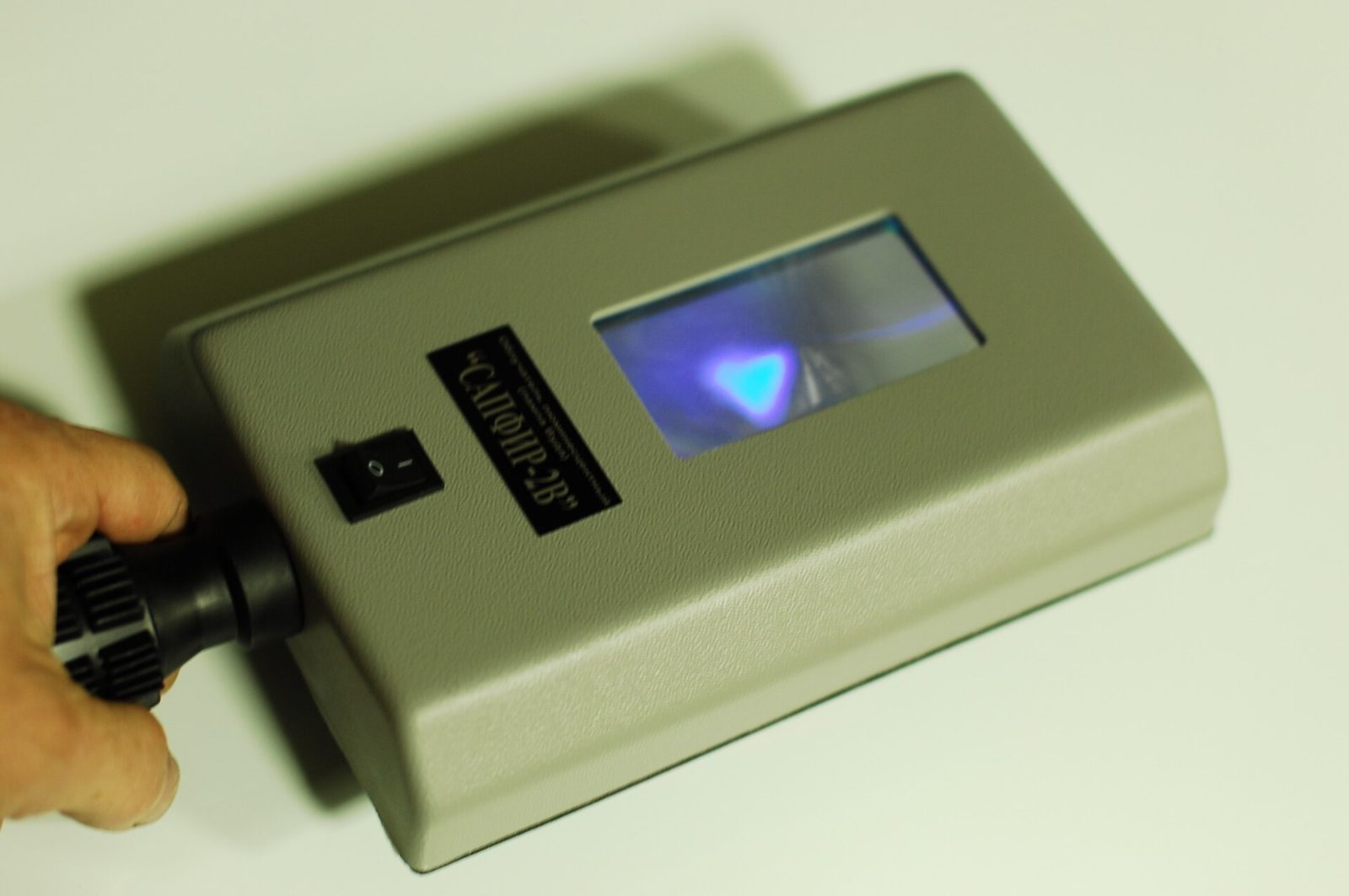
“TPO-free” on a gel polish means the formula does not use TPO (trimethylbenzoyl diphenylphosphine oxide), a photoinitiator that helps gel harden under a UV or LED lamp. The label became common after the European Union classified TPO as presumed toxic to reproduction and stopped allowing it in cosmetic products from September 2025. A TPO-free gel is not automatically allergy-free or “non-toxic”: it still contains acrylates and another photoinitiator to cure.
In this guide
What TPO does in a gel polish
Gel polish is a liquid mixture of monomers and oligomers, mostly acrylates or methacrylates, plus pigments and a photoinitiator. The photoinitiator is the ingredient that reacts to light. When the lamp switches on, it breaks apart and starts a chain reaction that links the monomers together into a hard, cured film.
TPO became popular because it absorbs well in the light range that LED nail lamps produce, so gels cure quickly and fully. That is why it was widely used in base coats, colours and top coats for years.
In short
- TPO is a photoinitiator, not a colour or a solvent
- It helps gel cure under LED and UV lamps
- Formulas without TPO use alternative photoinitiators instead
- Curing still involves acrylate chemistry
Why the EU restricted it
Under EU chemical rules, substances classified as carcinogenic, mutagenic or toxic for reproduction (CMR) are generally not allowed in cosmetics. TPO was classified as a reproductive toxicant in category 1B, based mainly on animal studies, and the cosmetics ban followed, applying from 1 September 2025. Salons and retailers in the EU were expected to stop using and selling products containing it.
This classification is about the substance’s hazard, judged mostly from high-dose animal data. It does not mean that people who have worn gel with TPO have been harmed, and there is no reason to panic about past manicures. It does mean regulators decided that, as a precaution, it should no longer be in cosmetics sold in the EU.
For gel wearers, the most direct contact with any ingredient happens when uncured product touches the skin, which is why the advice to keep gel off the skin applies regardless of which photoinitiator is in the bottle.
What it means for gel users in the UAE
The UAE sets its own cosmetic rules through federal and emirate-level authorities, and those rules are not identical to EU law. Many international brands, however, reformulate globally rather than making separate versions for each market, so TPO-free gels are now widely sold in the UAE as well.
If the topic matters to you:
- Check the ingredient list for “trimethylbenzoyl diphenylphosphine oxide” or “TPO”.
- Ask your salon which brands they use and whether they have switched to TPO-free lines.
- Buy from reputable retailers that sell products registered for the UAE market.
TPO vs TPO-free: what changes for you
| Question | Gel with TPO | TPO-free gel |
|---|---|---|
| Still needs a lamp? | Yes | Yes |
| Contains acrylates? | Yes | Yes |
| Allergy risk from acrylates | Present | Present |
| Curing speed | Usually fast with LED | Varies by formula; follow the brand’s lamp times |
| EU cosmetics status | Not allowed from September 2025 | Allowed |
The main practical change is curing. Alternative photoinitiators may respond differently to some lamps. A TPO-free gel may need a specific lamp type or a slightly different cure time, so follow the manufacturer’s instructions and use a lamp matched to the product.
Why curing matters for safety
Under-cured gel is softer, wears badly and contains more unreacted monomer. Unreacted acrylates are the main trigger for allergic contact dermatitis. Whatever gel you use, a full cure with the correct lamp is one of the most important safety steps.
TPO-free answers one specific concern. It does not replace good curing and keeping gel off your skin.
Allergy is still the bigger everyday risk
For most people, the practical risk with gel nails is not TPO but acrylate allergy. Dermatologists report it regularly in people who wear or apply gel. It usually starts as itching, redness, swelling or small blisters around the nails or on the fingertips, and can spread to the eyelids, face or neck from touching.
Labels like “HEMA-free” address one common allergen, and “TPO-free” addresses a regulatory concern about a photoinitiator. Neither guarantees a product is safe for someone already sensitised to acrylates. If you have reacted before, a dermatologist can arrange patch testing to identify the exact substance.
See a doctor if
- Skin around your nails becomes itchy, red or blistered after a manicure
- Nails lift from the nail bed or become painful
- Rashes appear on the face or eyelids after gel use
Stop using gel products until you have advice from a licensed practitioner in the UAE.
Who should take extra care
- People with a known acrylate allergy should avoid gel products, TPO-free or not.
- Anyone with broken skin, eczema or infection around the nails should wait until it has healed.
- Pregnant people who are concerned about cosmetic ingredients can discuss them with their doctor; TPO-free gel and good ventilation are reasonable precautions, but medical advice should guide decisions.
- Nail technicians, who handle uncured gel daily, have higher exposure and benefit from nitrile gloves, good ventilation and strict no-skin-contact habits.
Practical habits that lower exposure
- Keep gel off cuticles and skin; clean any spills before curing.
- Use the lamp recommended for the gel and cure for the full time.
- Wash hands after a manicure and avoid touching eyes until you have.
- Store gels closed, away from light and heat. In UAE summers, never leave them in a car.
- Do not do frequent “touch-ups” that add layers without removal.
Our Home Manicure Checklist covers safe set-up at home, and Manicure Types Compared helps if you want to compare gel with regular polish or other options.
Frequently asked questions
Is TPO-free gel safer?
It avoids one ingredient that EU regulators no longer allow in cosmetics. It still contains acrylates, so allergy precautions stay the same.
Do I need a new lamp for TPO-free gel?
Possibly. Some TPO-free formulas cure best with specific lamps. Check the brand’s instructions.
Should I remove my current gel if it contains TPO?
There is no need for emergency removal. You can choose TPO-free products at your next appointment if you prefer.
Is TPO the same as HEMA?
No. TPO is a photoinitiator. HEMA is an acrylate monomer and a common allergen in gel products.
Sources: European Commission: Cosmetics, European Chemicals Agency, American Academy of Dermatology
Cover photo: Seawind60, CC BY-SA 4.0. Last reviewed: 2026-11-26. General information only, not medical advice. Please consult a licensed practitioner in the UAE about your own situation.