
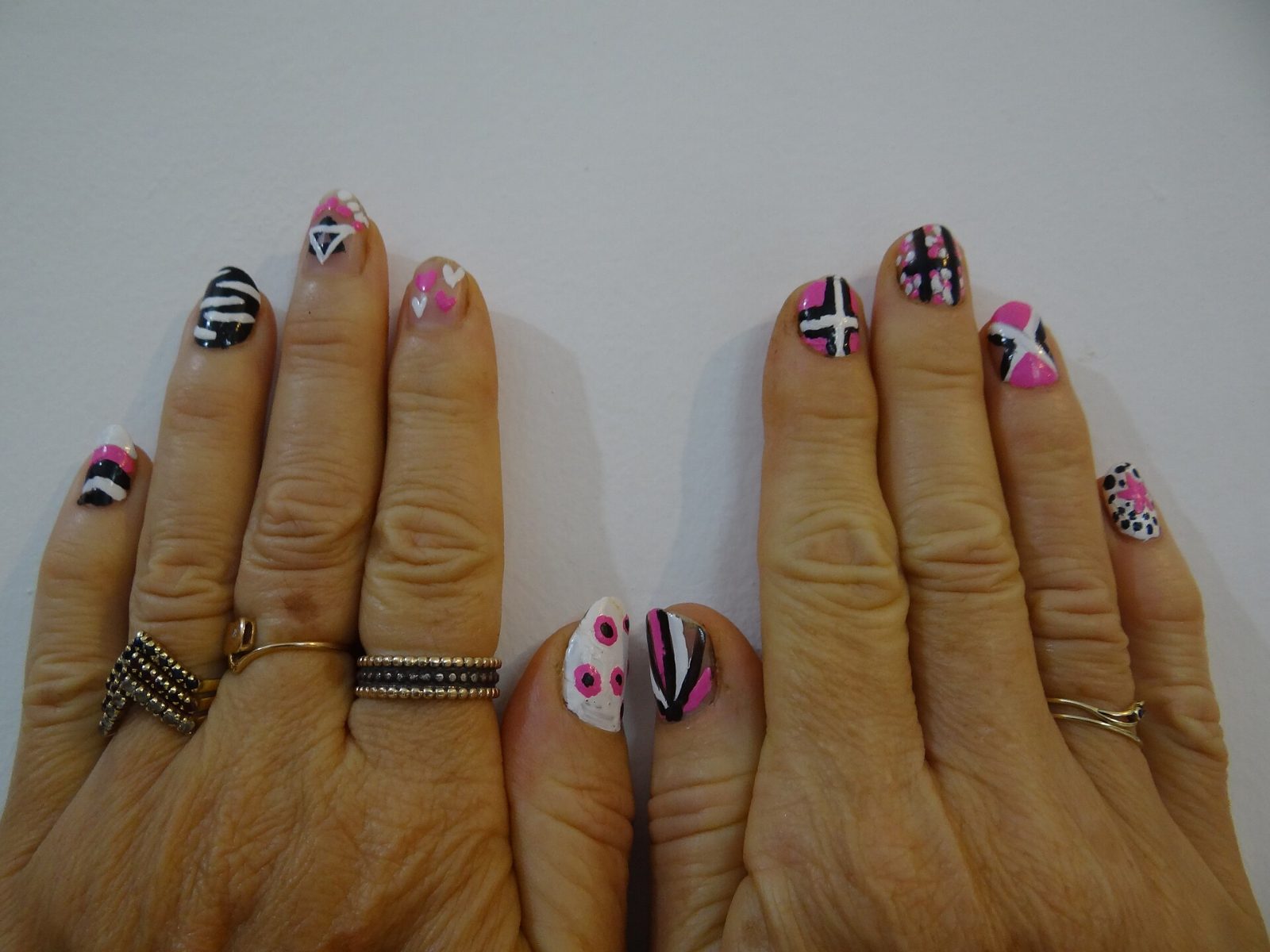
A shellac manicure uses CND Shellac, a brand of hybrid gel polish that is brushed on like nail polish, cured under a UV or LED lamp and removed by soaking in acetone. It usually lasts up to about two weeks without chipping, dries instantly once cured and is designed to come off without heavy filing. Many people use “shellac” to mean any gel polish, but strictly speaking it is one product line.
In this guide
Shellac, gel polish and the name confusion
CND launched Shellac around 2010 as a “power polish” that combined the application of regular polish with the durability of gel. It became so well known that “shellac” turned into a generic word in many salons, the way people say “Hoover” for any vacuum cleaner. In practice, when you book a shellac manicure in Dubai or Abu Dhabi, the salon may use CND Shellac or another brand of soak-off gel polish. It is fair to ask which product they use.
| Feature | CND Shellac | Typical gel polish | Regular polish |
|---|---|---|---|
| Curing | UV or LED lamp | UV or LED lamp | Air-dries |
| Typical wear | Up to about 2 weeks | About 2 to 3 weeks | Several days to a week |
| Thickness | Thin | Thin to medium | Thin |
| Removal | Acetone wraps, soak-off | Acetone soak; some need light filing | Regular remover |
| Drying time | Instant after curing | Instant after curing | Needs time to harden |
| Prep | Minimal buffing in the CND system | Usually a light buff | None beyond cleansing |
For a broader comparison including dip powder, acrylics and Russian manicures, see our manicure types compared page.
How a shellac manicure is done
- Shape and prep. Nails are filed and cuticles gently pushed back. The nail surface is cleansed to remove oils.
- Base coat. A thin base layer is applied and cured under the lamp.
- Colour. Two thin coats of colour, each cured.
- Top coat. A top coat seals the colour and is cured.
- Wipe. Any sticky residue is wiped off with a cleanser.
- Finish. Cuticle oil is applied.
The whole appointment usually takes around 30 to 45 minutes, and you leave with completely dry nails, which is a big advantage over regular polish.
Thin layers last longer
Thick coats cure unevenly and peel. If your shellac lifts after a few days, ask your technician to apply thinner coats and cap the free edge with each layer.
How long does shellac last?
Expect up to about two weeks of chip-free wear for most people. Regrowth at the cuticle becomes visible as nails grow, so many people book every two weeks. In the UAE, frequent swimming, hand washing, sanitiser, cleaning products and using nails as tools all reduce wear time. Wearing gloves for chores and applying cuticle oil daily help it last.

Removal: why it matters
Shellac was designed for soak-off removal, which is gentler than filing. A proper removal looks like this:
- The top coat may be lightly buffed to let acetone penetrate.
- Pads soaked in acetone are placed on each nail and wrapped in foil or special clips.
- After about ten minutes, the softened product is gently pushed off.
- Any remaining spots get another wrap rather than being scraped.
- Nails are cleansed and oiled.
Do not peel shellac
Peeling or picking shellac strips layers off the nail plate, causing thin, rough, white-spotted nails. If an edge lifts, clip or file the lifted part and book a removal.
Safety considerations
- Lamp exposure. Curing lamps emit UV light. Health agencies consider occasional exposure low risk, but you can reduce it with broad-spectrum sunscreen on your hands or fingerless UV gloves.
- Allergic reactions. Like other gel products, shellac contains acrylates. Allergic contact dermatitis can show up as itching, redness, swelling or blisters around the nails or even on the face and eyelids, where people touch. Stop gel services and see a doctor if this happens.
- Infections. Lifted product can trap water. Green, yellow or dark discolouration under the nail, pain or swelling needs medical attention.
People with known acrylate allergies, active nail infections or very damaged nails should pause gel manicures and consult a licensed dermatologist in the UAE. Those taking medicines that increase light sensitivity should ask their doctor about UV lamp exposure.
Shellac is about convenience: dry nails at the door and a gentle soak-off two weeks later, as long as nobody peels it.
Is shellac right for you?
Shellac suits people who want a natural, thin finish that lasts longer than regular polish but who do not want the thickness of hard gel or acrylic. It is less suited to very long nails that need strength, where builder gel or extensions work better. If you change colours very often or prefer no lamp exposure, a classic manicure may suit you better.
Frequently asked questions
Is shellac the same as gel?
Shellac is a brand of hybrid gel polish from CND. It belongs to the gel polish family, but formulas and wear differ between brands.
Can I remove shellac at home?
Yes, with acetone wraps and patience. Never scrape or peel. If unsure, book a professional removal.
Does shellac damage nails?
The product itself is not usually the problem. Over-buffing during prep and forceful removal cause most damage.
Can I paint regular polish over shellac?
Yes. Use regular remover without acetone to take off the polish later, so the shellac underneath is not dissolved.
Sources: CND, American Academy of Dermatology, U.S. Food and Drug Administration, nail care products
Cover photo: Hanay, CC BY-SA 3.0. Last reviewed: 2026-11-25. General information only, not medical advice. Please consult a licensed practitioner in the UAE about your own situation.