
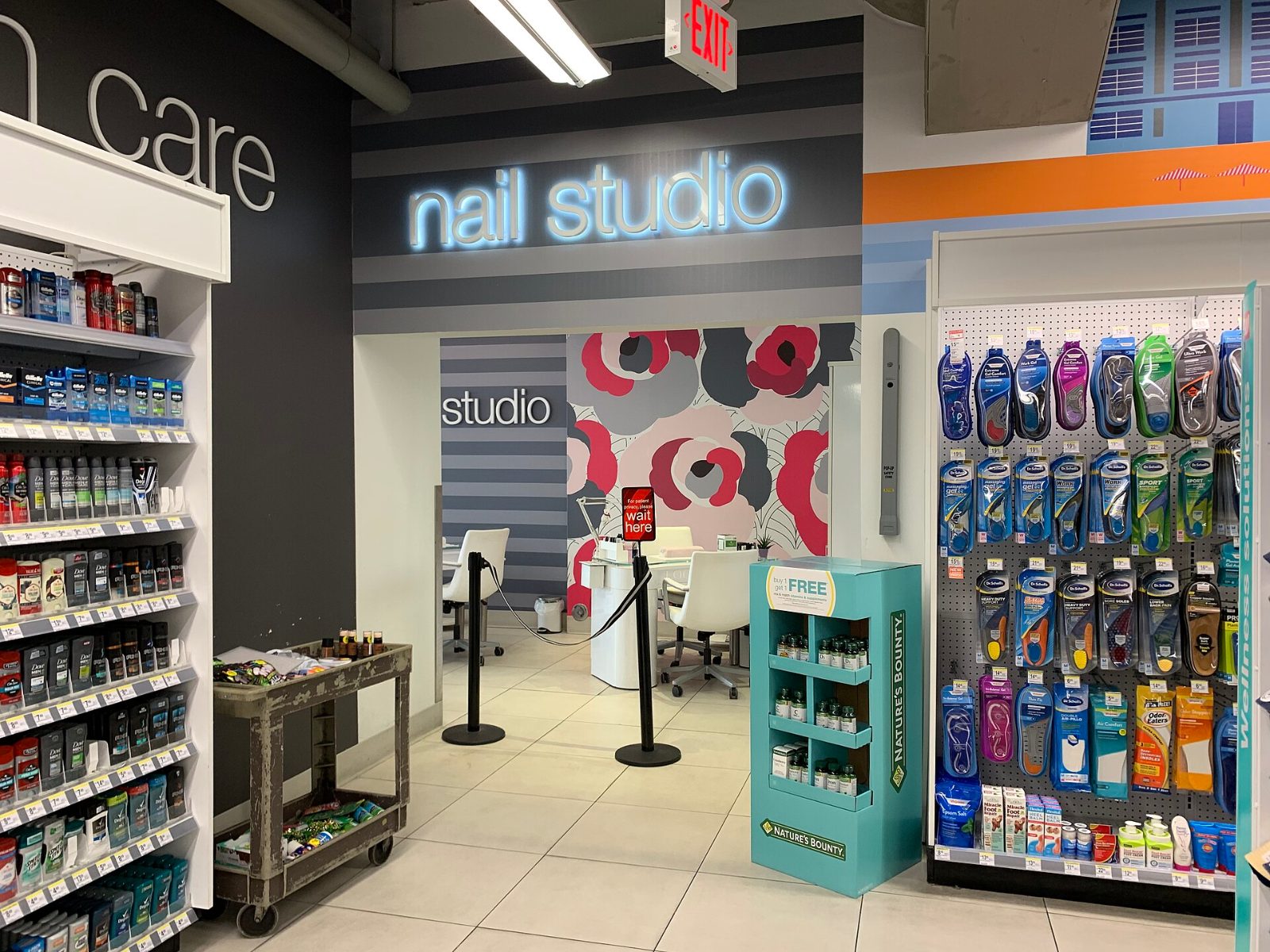
A good salon manicure comes down to three things you can check in the first five minutes: the salon is licensed, the tools are clean or sterilised and opened in front of you, and the technician listens to what you want and what your nails need. Price, décor and the colour wall matter far less than hygiene and technique.
In this guide
What a salon manicure usually includes
Most UAE salons list several manicure types on their menus. The basic service generally covers shaping, cuticle care, a short hand massage and polish. Upgrades add gel or shellac colour, nail art, paraffin treatments, scrubs or masks. Specialist techniques such as Russian or Japanese manicures follow different steps.
| Service | What it adds | Typical time |
|---|---|---|
| Classic | Shape, cuticle care, massage, regular polish | 30 to 45 minutes |
| Gel or shellac | Lamp-cured colour that lasts 2 to 3 weeks | 45 to 60 minutes |
| Spa or deluxe | Scrub, mask, longer massage, sometimes paraffin | 60 minutes or more |
| Russian | Dry e-file cuticle work, gel close to the cuticle | 60 to 90 minutes |
| Extensions | Acrylic, gel or soft gel tips for length | 60 to 120 minutes |
Our manicure types compared page goes deeper into how each one lasts and is removed.
The hygiene checklist
Hygiene is the most important part of a salon visit. Salons in the UAE are licensed by municipal authorities, which set requirements for cleanliness and tool sterilisation, but you should still look for yourself.
What a clean salon looks like
- Metal tools (nippers, pushers, e-file bits) come out of a sealed sterilisation pouch opened in front of you
- Files, buffers and orangewood sticks are new or kept for you only
- Bowls are cleaned between clients, and disposable liners are used where relevant
- Towels are fresh for each client
- The technician washes or sanitises hands and may wear gloves
- Workstations are clean, with no dust or old product on the surface
- Ventilation or extraction is present where acrylics and filing happen
It is perfectly normal to ask, “How do you sterilise your tools?” A good salon will answer clearly and may show you its steriliser.
Red flags
- Tools taken from an open drawer or a jar of cloudy liquid
- Used files or buffers on the table before you sit down
- A technician who cuts deeply into living cuticle or draws blood and keeps going
- Pressure to buy add-ons or treatments you did not ask for
- Fingers dipped into a shared jar of dip powder
Before you book
- Check the licence. Licensed salons usually display their trade licence. Unlicensed home operators may not follow the same hygiene rules.
- Read recent reviews, focusing on hygiene and how long manicures last, not just photos.
- Look at their work. Instagram pages show finished nails; look for clean cuticle areas and even shapes.
- Ask about brands. Reputable gel and acrylic brands, and EMA rather than MMA liquid for acrylics.
- Be clear about time. Gel removal plus a new set takes longer than a fresh manicure.
During the appointment
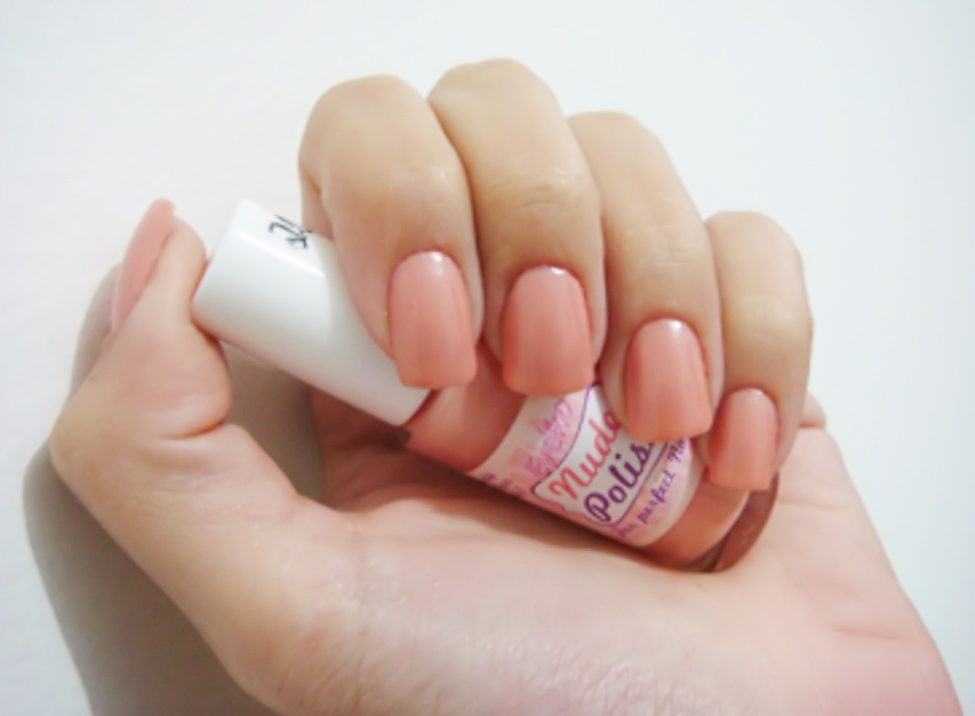
Tell the technician about any allergies, skin conditions, medications that affect healing, or nail problems. Choose your shape and length before filing starts, and ask to see a swatch of the colour on one nail. If anything hurts, say so straight away. Discomfort is not part of a good manicure.
After the appointment
- Apply cuticle oil daily to keep nails and skin flexible.
- Wear gloves for cleaning and dishes.
- Do not peel gel or pick at lifting edges.
- Book removal or refills on time.
- Watch for signs of infection or allergy over the next few days.
The best salon is the one that opens a sterile pouch in front of you, not the one with the prettiest wall.
When to see a doctor
Seek medical advice if after a manicure you notice
- Redness, swelling, warmth or throbbing pain around a nail, especially with pus
- Red streaks spreading from the finger, or fever
- Itching, rash or blisters around the nails, eyelids or face, which may signal an allergy to gel or acrylic
- Discolouration under the nail or a nail lifting from its bed
Licensed doctors and dermatologists in the UAE work in clinics regulated by DHA in Dubai, DOH in Abu Dhabi, or MOHAP in the northern emirates. People with diabetes, circulation problems or weakened immunity should be especially careful with cuticle cutting and should ask their doctor about safe nail care.
Salon or home?
A salon is the right choice for gel, acrylic, Russian manicures and anything needing a lamp, e-file or ventilation. A simple classic manicure is easy to do at home with a few basic tools; our home manicure checklist shows how.
Frequently asked questions
How often should I get a salon manicure?
Every one to two weeks for classic polish, every two to three weeks for gel.
Is it rude to ask about hygiene?
No. Reputable salons expect the question and are happy to show how they sterilise tools.
Should my cuticles be cut in a salon?
Only loose, dead skin should be trimmed. Cutting living cuticle increases infection risk.
Can I bring my own tools?
Some clients do, and many salons accept it. Keep them clean and dry between visits.
Sources: Dubai Municipality, American Academy of Dermatology, Dubai Health Authority
Cover photo: Phillip Pessar, CC BY 2.0. Last reviewed: 2026-11-25. General information only, not medical advice. Please consult a licensed practitioner in the UAE about your own situation.