
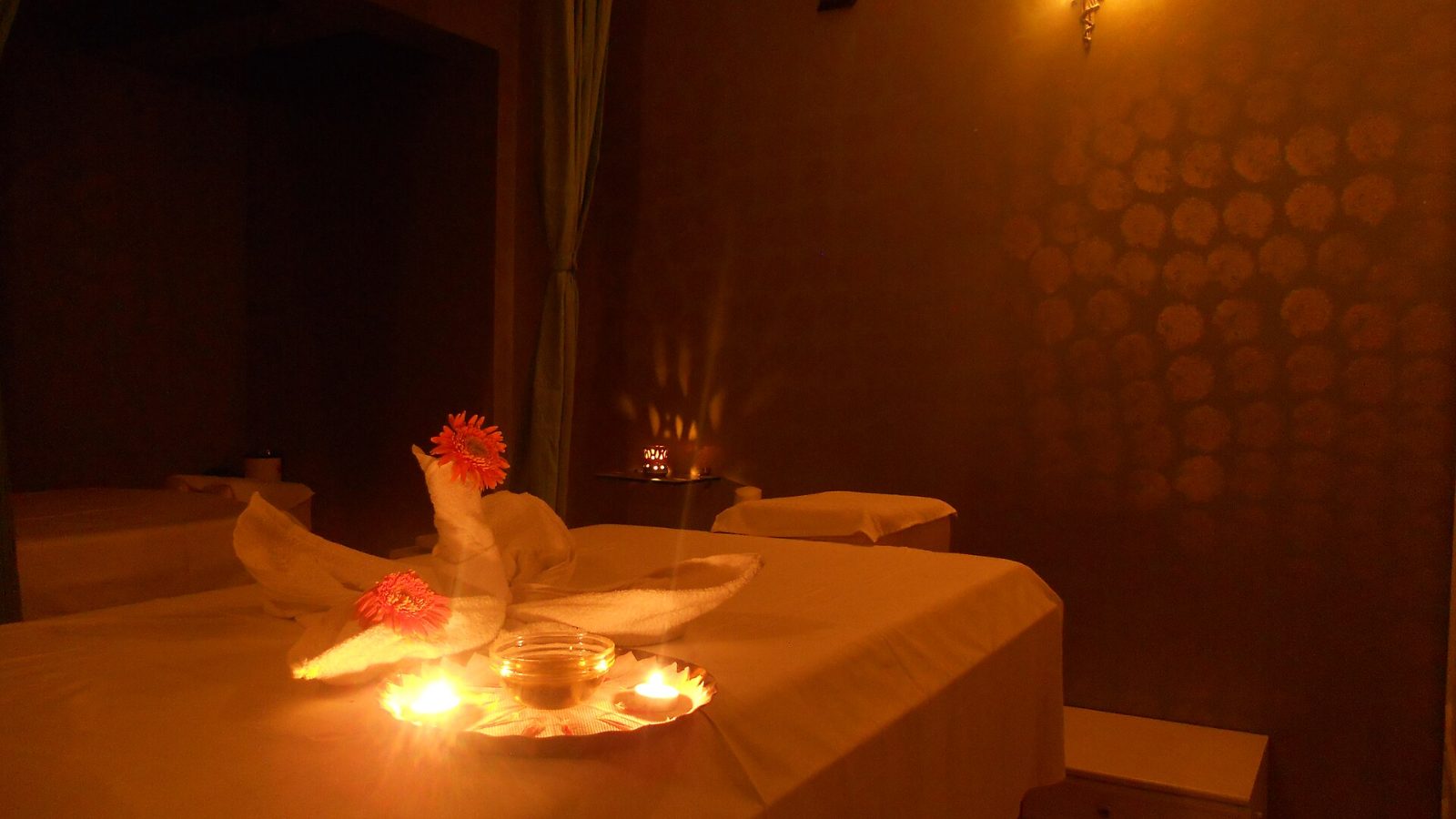
A paraffin manicure is a regular manicure with an added step: your hands are coated in warm, melted paraffin wax, wrapped, and left for a few minutes before the wax is peeled away. The warmth and the seal help moisturiser sink in, leaving skin feeling softer and smoother. It is a comfort treatment for dry hands, not a medical therapy, and it is not suitable for everyone.
In this guide
How a paraffin manicure works
Paraffin wax melts at a fairly low temperature, so it can be applied warm without burning healthy skin when it is properly controlled. Once on the hands, it forms a soft, airtight layer that traps heat and moisture.
The usual sequence looks like this:
- Hands are washed and nails shaped; cuticles are tidied.
- A rich moisturiser or oil is massaged into the skin.
- Hands are dipped several times into warm wax, or wax is brushed on, building a thin coat.
- Hands are wrapped in plastic and covered with mitts or a towel for around ten minutes.
- The wax is peeled away in one piece and any excess moisturiser is massaged in.
- Polish, if chosen, is applied last, because the wax and oils would stop it from bonding.

What it can and cannot do
| Claim | Reality |
|---|---|
| Softer, smoother hands | Yes, temporarily, thanks to moisture and warmth |
| Feels relaxing and soothing | For most people, yes |
| Helps very dry or cracked skin | Can help comfort, but regular moisturising matters more |
| Treats skin conditions | No; eczema and psoriasis need medical care |
| Relieves joint stiffness | Warm wax is sometimes used in therapy settings, but a salon treatment is not a substitute for medical advice |
Think of paraffin as a boost for dry hands, not a cure.
Who should skip it or ask a doctor first
Warm wax is gentle on healthy skin, but some people should avoid it or get medical advice before booking:
Avoid or check first if you have
- Open cuts, cracked skin, rashes, infections or recent burns on your hands
- Diabetes, poor circulation or reduced sensation, which make burns harder to notice
- Active eczema or psoriasis flares
- A known sensitivity to paraffin or the products used with it
- Recent hand surgery or injury
Always ask the technician to test the wax temperature on a small area first, and say straight away if it feels too hot.
Hygiene questions to ask
Paraffin is often kept in a shared bath, which raises a fair hygiene question: if many clients dip their hands into the same wax, how clean is it? Good salons use one of these approaches:
- Single-use wax: wax portioned into a disposable bag or liner for each client
- Brushed application from a portion set aside for you
- Pre-cleansing hands thoroughly and sanitising before any dipping, with regular replacement of the wax
You are entitled to ask how the wax is handled. Licensed salons in the UAE are subject to inspections by local authorities, and a professional salon will be happy to explain its routine.

What to expect at the appointment
A paraffin add-on usually extends a manicure by around fifteen to twenty minutes. Most salons offer it as an upgrade to a classic or spa manicure, and some include it in a “deluxe” package together with a scrub and a longer massage. Prices vary from salon to salon, so check the menu or ask when booking rather than assuming it is included.
You will sit with your hands wrapped and covered for several minutes, which many people find the most relaxing part. It is a good moment to rest, so avoid booking it when you are in a rush. Once the wax is removed, your hands may feel slightly oily. The technician will massage in the remaining moisturiser and clean the nail plates carefully before any polish goes on.
If you plan to have gel polish, mention it at the start. Some technicians prefer to do the wax treatment first and then thoroughly cleanse the nails, while others suggest a paraffin treatment on a separate visit, between gel sets, so that adhesion is never in question.
Feet too: paraffin pedicures
The same treatment is often offered for feet, where dry, cracked heels are common in the UAE because of sandals and sand. The warm wax helps foot cream absorb, but it does not remove hard skin by itself. People with diabetes, circulation problems or reduced sensation in the feet should talk to a doctor or podiatrist before having warm wax treatments on their feet.
Paraffin at home
Home paraffin baths are widely available. If you use one:
- Read the instructions and follow the recommended temperature
- Test the wax on the inside of your wrist before dipping
- Keep the unit stable and away from children and pets
- Never dip hands with cuts or rashes
- Replace wax regularly and keep the lid on between uses
For a simpler routine, our home manicure checklist includes low-effort ways to soften dry hands without wax, such as overnight cream under cotton gloves.
Paraffin and the UAE climate
Many people think of paraffin treatments as a winter option, but dry hands are common here all year. Air-conditioning, hand sanitiser and frequent washing pull moisture from the skin. A paraffin add-on before a holiday or event can be a nice treat, while daily hand cream does the real work.
In summer, heat-sensitive people may find warm wax less comfortable. Ask for a shorter wrap time or skip it on very hot days.
Paraffin versus other hand treatments
| Treatment | Best for |
|---|---|
| Paraffin wax | Quick softening, comfort for dry hands |
| Hot oil manicure | Dry cuticles and nails, gentle care |
| Hand mask or cream wrap | Hydration without heat |
| Exfoliating scrub | Rough patches; avoid on irritated skin |
Compare the wider choice of manicure styles in our manicure types comparison.
Frequently asked questions
How long do the effects of a paraffin manicure last?
Usually a few days. Regular moisturising helps maintain the softness.
Can I have gel polish after paraffin?
Yes, but the wax step should come before polish, and nails must be cleansed well so polish adheres.
Is paraffin safe during pregnancy?
For most people it is a gentle treatment, but check with your doctor if you have any concerns, especially about circulation or swelling.
Does paraffin hurt?
It should feel warm, not hot. Tell the technician immediately if it feels uncomfortable.
Sources: American Academy of Dermatology, NHS: dry skin advice, Dubai Municipality
Cover photo: Avilash behera, CC BY-SA 3.0. Last reviewed: 2026-11-25. General information only, not medical advice. Please consult a licensed practitioner in the UAE about your own situation.