
Manicure tools and equipment fall into four groups: shaping tools (clippers, files, buffers), cuticle tools (pushers, nippers, oil), finishing products (base, colour, top coat, remover) and hygiene equipment (disinfectant, steriliser, single-use items). A home kit needs only a handful of good-quality basics; a salon adds lamps, e-files, ventilation and sterilisation equipment.
In this guide
Shaping tools
| Tool | What it does | Buying tip |
|---|---|---|
| Fingernail clipper | Shortens nails quickly | Sharp, well-aligned blades cut cleanly without crushing |
| Toenail clipper | Cuts thicker toenails | Straight blade for cutting straight across |
| Glass (crystal) file | Fine filing of natural nails | Seals the edge, lasts years, easy to clean |
| Emery board | Everyday filing | Choose 180 grit or finer for natural nails |
| Coarse file (100 grit) | Shaping acrylic or hard gel | Too harsh for natural nails |
| Buffer block | Smooths ridges, adds shine | Use sparingly; over-buffing thins nails |
Grit numbers matter: the lower the number, the coarser the file. Natural nails do best with 180 grit or higher; coarse files are for enhancements only.
Cuticle tools
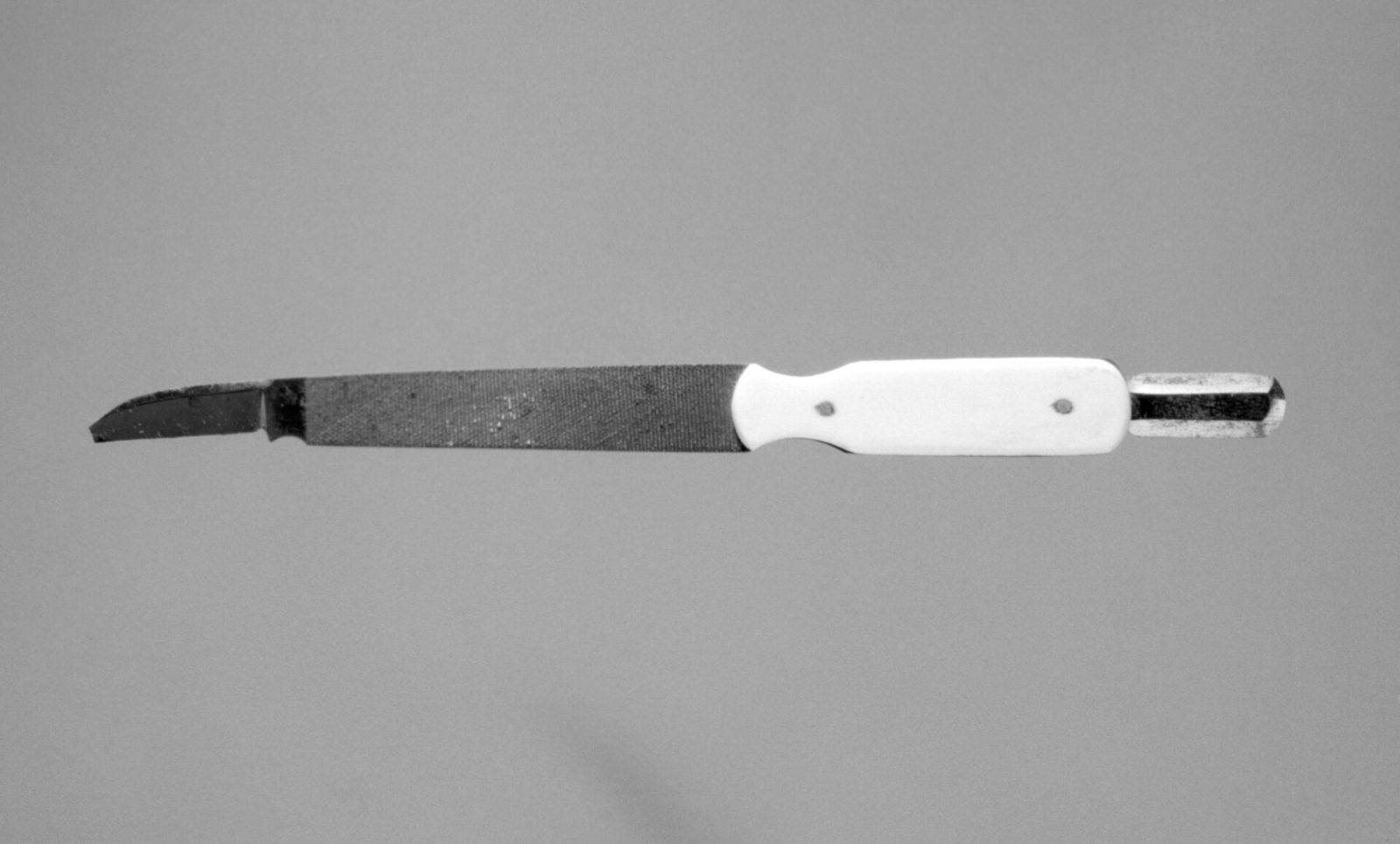
- Orangewood sticks. Cheap, gentle pushers. Wrap the tip in cotton for extra softness. Single-use in salons.
- Rubber or silicone pushers. Washable and gentle on thin nails.
- Metal pushers. Effective but need a light hand to avoid scratching the nail plate.
- Cuticle nippers. For trimming loose, dead tags and hangnails only, not living cuticle.
- Cuticle softener or remover. Loosens dead tissue on the nail plate so it wipes away more easily.
- Cuticle oil. Keeps skin and nail edges flexible; the most underrated item in any kit.
Do not cut living cuticle
The cuticle and nail fold act as a seal protecting the area where the nail grows. Cutting into living skin can let bacteria in and cause painful infections. Push back, trim only what is loose and dead, and moisturise.
Finishing products
- Polish remover. Acetone works fastest and is needed for gel; acetone-free removers are gentler for regular polish.
- Base coat. Helps polish grip and reduces staining.
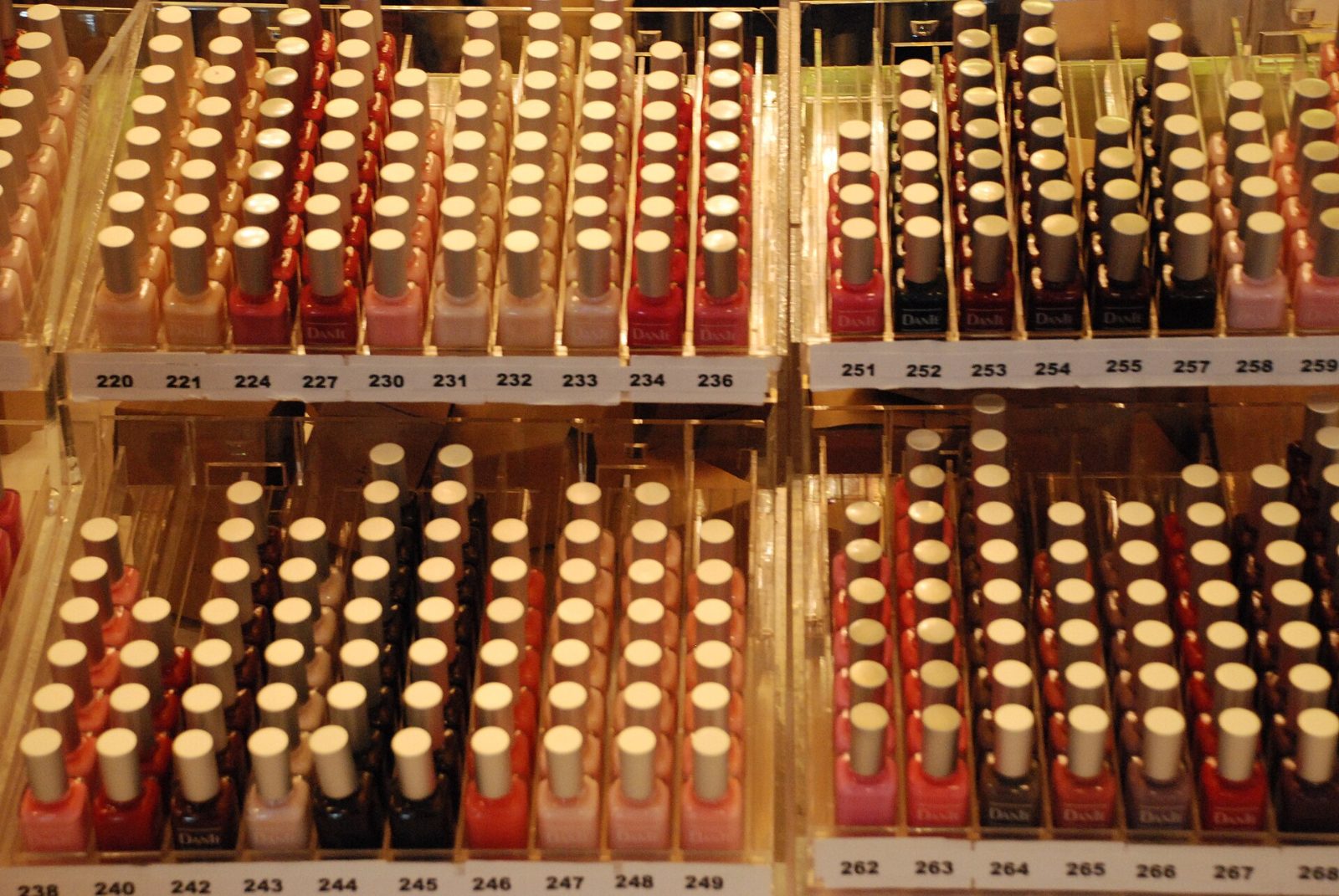
- Colour. Regular polish, or gel polish if you have a lamp.
- Top coat. Adds shine and protects colour; quick-dry versions save time.
- Nail strengthener. Optional for soft or peeling nails; use as directed.
- Hand cream. Thicker creams for UAE air-conditioned dryness.
Our home manicure checklist puts these in order of use.
Salon equipment
Professional salons use additional equipment that is not necessary at home:
- UV or LED lamps to cure gel. LED lamps are faster for compatible gels.
- Electric files (e-files) for removing and shaping enhancements. In untrained hands they can cut into the nail plate.
- Manicure tables with good lighting and, ideally, built-in dust extraction.
- Ventilation or extraction for acrylic monomer fumes and dust.
- Sterilisers such as autoclaves for metal tools, and approved disinfectants for surfaces.
- Single-use items like files, buffers and orangewood sticks that are discarded after each client.
Cleaning versus disinfection versus sterilisation
- Cleaning removes visible dirt with soap and water. Always the first step.
- Disinfection uses an approved chemical to kill most microorganisms on hard surfaces.
- Sterilisation, typically by autoclave, kills all microorganisms, including spores, on metal tools.
Hygiene at home
At home you do not need an autoclave, but basic habits matter:
- Wash metal tools with soap and water after each use, dry them, then wipe with a suitable disinfectant.
- Do not share clippers, nippers or files with others, even family members.
- Replace emery boards and buffers when worn or if used on an infected nail.
- Store tools in a clean, dry case away from bathroom humidity.
A good kit is small: a fine file, a gentle pusher, sharp clippers, oil and a top coat cover most needs.
What to look for in a salon in the UAE
UAE salons are licensed by municipal authorities that set hygiene standards. As a client, you can check that metal tools come out of a sealed pouch, that files are new or labelled for you, and that the workspace is clean. It is reasonable to ask how tools are sterilised.
Seek medical advice if
After any manicure, if a nail fold becomes red, swollen, hot or painful, if pus appears, or if redness spreads, see a licensed doctor in the UAE promptly. People with diabetes, circulation problems or weakened immunity should avoid cuticle cutting and ask their doctor about safe nail care.
Building a starter kit on a budget
Start with a glass file, a clipper, a rubber pusher, cuticle oil, a base and top coat, and one colour. Add a buffer and nippers later if you need them. Spending more on one good file and clipper is wiser than buying a large set full of tools you will never use. For a side-by-side look at which manicure types need which equipment, see our manicure types compared page.
Frequently asked questions
What is the most important manicure tool?
A good fine-grit file, ideally glass. It shapes nails without splitting them.
Do I need a UV lamp?
Only for gel polish. Regular polish air-dries.
How often should I replace an emery board?
When it stops filing smoothly, gets dirty, or has been used on an infected nail.
Are metal cuticle pushers safe?
Yes, if used gently on softened cuticles. Rubber pushers are gentler for thin nails.
Sources: American Academy of Dermatology, Dubai Municipality, U.S. Food and Drug Administration, nail care products
Last reviewed: 2026-11-25. General information only, not medical advice. Please consult a licensed practitioner in the UAE about your own situation.