
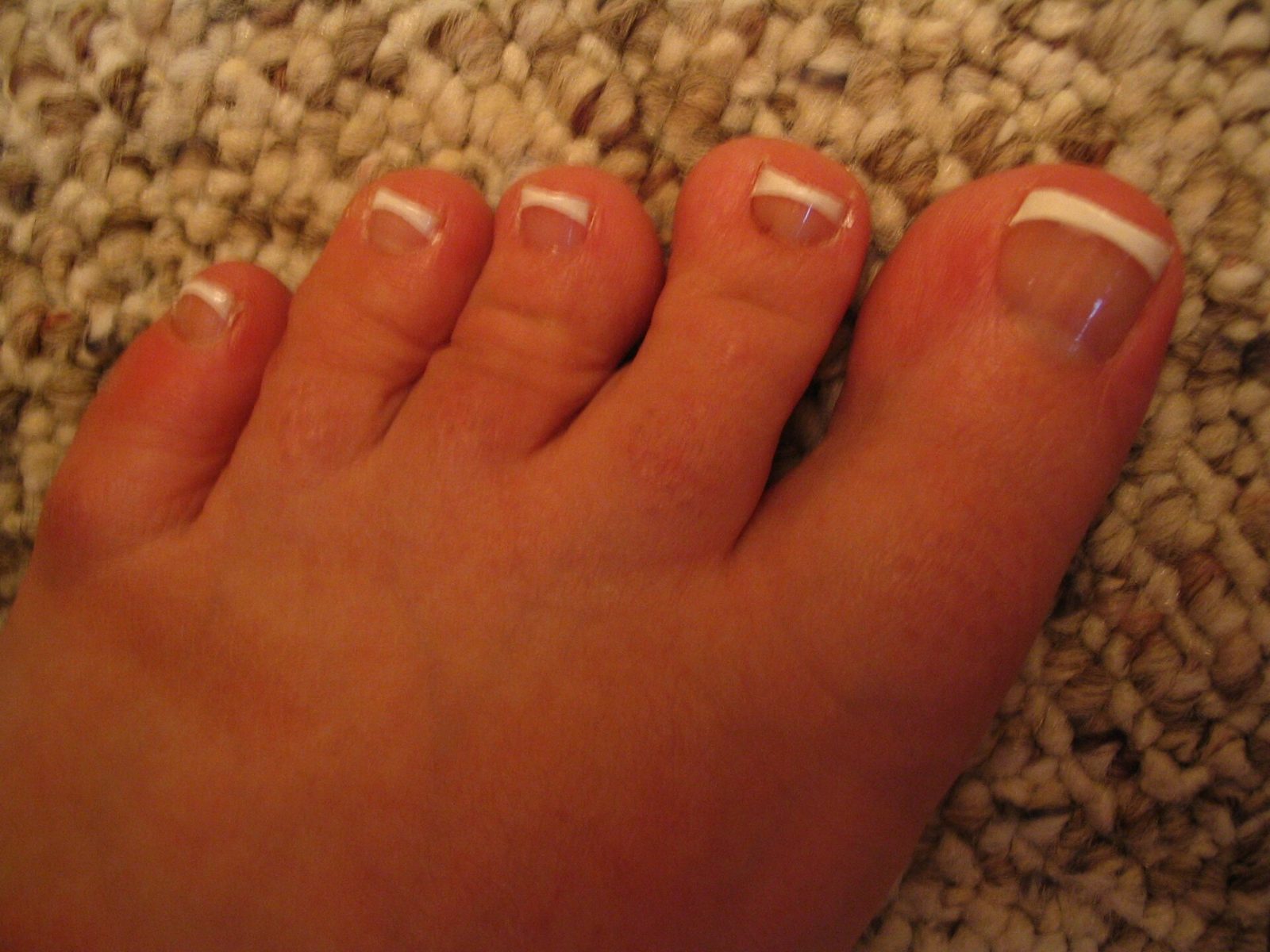
A manicure and pedicure together cover the full grooming routine for hands and feet: shaping nails, caring for cuticles, smoothing skin and finishing with polish or gel. Booking them as a pair saves time, and in the UAE, where sandals are worn most of the year, the pedicure is often the half that matters more. The key to a good experience is hygiene, especially on the pedicure side.
In this guide
What each service includes
The two services share the same logic but differ in detail.
| Step | Manicure (hands) | Pedicure (feet) |
|---|---|---|
| Soak or prep | Warm soak or dry prep | Foot bath or basin soak |
| Nail shaping | Filed to chosen shape | Cut straight across, edges lightly smoothed |
| Cuticle care | Pushed back, loose skin tidied | Same, plus cleaning along the sides |
| Skin care | Hand cream, sometimes scrub or mask | Callus smoothing, scrub, massage |
| Finish | Polish, gel, or buff | Polish, gel, or buff |
Toenails should be cut straight across with only the sharp corners softened. Rounding them deeply into the corners increases the chance of ingrown nails.
Classic, spa and gel options
Salon menus in Dubai and Abu Dhabi often list several tiers:
- Classic or express: nail shaping, cuticle care and polish. Quick and practical.
- Spa or deluxe: adds a scrub, mask, longer massage and hot towels.
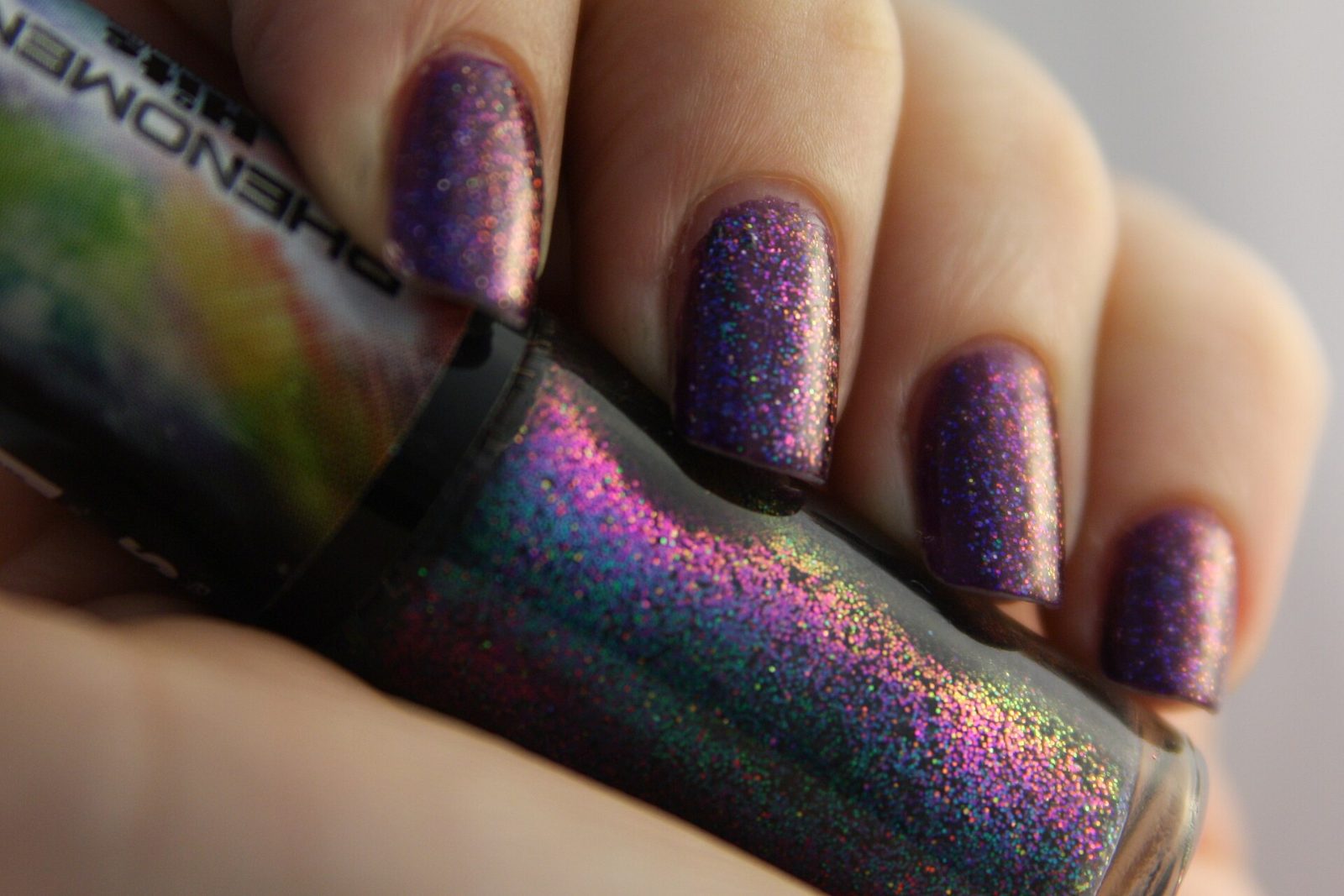
- Gel manicure and pedicure: long-wear colour cured under a UV or LED lamp. Toes often hold gel for longer than fingers because feet are not used for typing, washing or cleaning.
- Medical pedicure: offered by some podiatry or medical clinics for thickened nails, corns, calluses or ingrown nails. This is different from a beauty pedicure.
Our manicure types compared table explains how gel, Shellac, dip and other finishes differ in wear and removal.
Pedicure hygiene: why it matters most
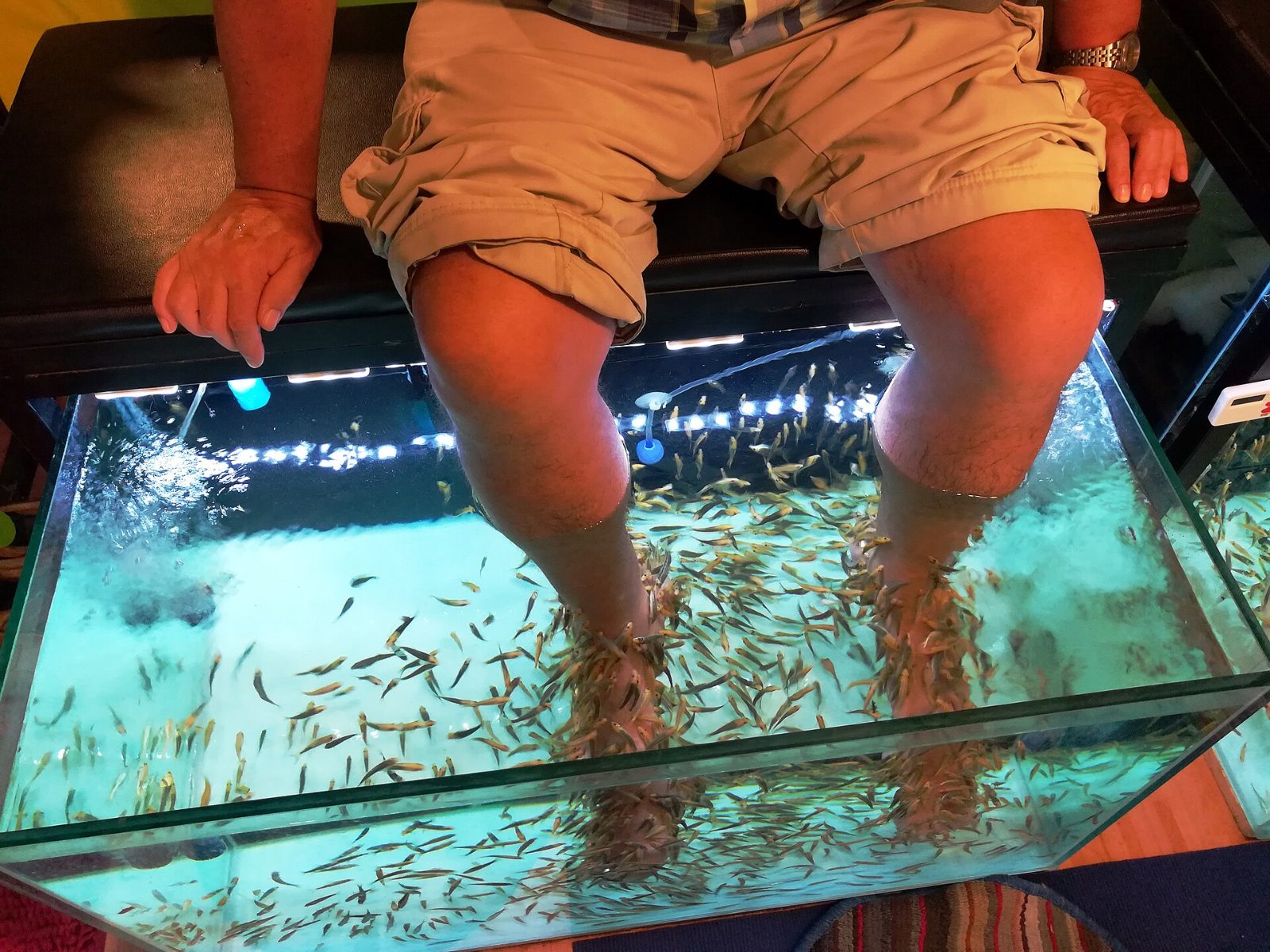
Foot baths and pedicure tools come into contact with skin that may have small cuts or fungal infections. Poorly cleaned whirlpool foot spas have been linked to outbreaks of skin infections in the past, which is why many salons now use pipe-free basins or disposable liners.
Hygiene checklist before you sit down
- Foot basin is cleaned and disinfected between clients, or uses a fresh disposable liner
- Metal tools come out of a sealed sterilisation pouch
- Files, buffers and pumice stones are new for each client or given to you to keep
- No razor-style blades are used to shave off calluses
- Technician washes or sanitises hands and wears gloves if needed
In the UAE, salons are licensed by local authorities such as Dubai Municipality, which set hygiene standards for beauty centres. It is still worth watching for yourself, and it is fine to ask how tools are cleaned.
One simple tip: do not shave your legs for a day or two before a pedicure. Tiny nicks from shaving can let bacteria in when your feet are soaking.
Smooth heels come from gentle filing over several visits, not from aggressive scraping in one session. Over-removing hard skin makes it grow back thicker.
Feet in the UAE climate
Open shoes, hot pavements, sand and dry indoor air are hard on feet. Heels crack, calluses build up and toenails get exposed to sun and grit. Between pedicures:
- moisturise feet nightly with a urea or lactic acid foot cream for rough skin
- wear breathable footwear and dry between the toes well
- use sunscreen on the tops of your feet when wearing sandals outdoors
- wear flip-flops in gym showers and pool changing areas to reduce the risk of fungal infection
Who should take extra care
Some people need to be more cautious with pedicures, or see a podiatrist instead of a salon.
- People with diabetes: reduced sensation and slower healing mean small cuts can turn into serious foot problems. A podiatrist or medical pedicure is safer, and cuticles and calluses should never be cut.
- People with poor circulation or a weakened immune system, for the same reasons.
- Anyone with an active fungal infection, wart, ingrown nail or open wound on the feet; get it treated first.
- During pregnancy, most standard manicures and pedicures are fine, but choose a well-ventilated salon and tell the technician so they can adjust massage pressure.
See a doctor if
You notice redness, swelling, warmth or pus around a nail after a pedicure, a thick yellow or crumbly nail, or a dark streak under a nail that is new or changing.
Doing them at home
A home manicure and pedicure can be surprisingly good with a few tools: nail clippers, a glass file, a cuticle pusher, a foot file, cuticle oil and polish. Soak feet in warm water for ten minutes, smooth heels gently, push back cuticles rather than cutting them, and moisturise well. The home manicure checklist covers the order of steps and what to buy.
How often to book
For polish, many people book a manicure every one to two weeks and a pedicure every three to four weeks. With gel, both can often go a little longer, until regrowth or chipping shows. Taking an occasional break from gel, especially if nails become thin or peel, helps them recover.
Frequently asked questions
How long does a manicure and pedicure take?
A classic combination often takes around 1 to 1.5 hours. Spa versions with masks and massage, or gel on both hands and feet, can take two hours or more. Some salons can do both at the same time with two technicians.
Should I get gel on my toes?
Gel pedicures often last several weeks without chipping. Removal should be done properly by soaking or careful filing, not by peeling.
Is it safe to get a pedicure with a fungal nail infection?
It is better to treat the infection first. Salon tools can spread fungus to other nails, and polish can hide the problem while it worsens.
Why do my heels crack in the UAE?
Dry indoor air, open shoes and walking barefoot on hard floors all dry the skin on the heels. Regular moisturising with a foot cream usually helps; deep, painful cracks should be checked by a doctor or podiatrist.
Sources: American Academy of Dermatology, Centers for Disease Control and Prevention, Dubai Municipality
Cover photo: Heather Hutchinson from Edmonton, Canada, CC BY 2.0. Last reviewed: 2026-11-25. General information only, not medical advice. Please consult a licensed practitioner in the UAE about your own situation.