
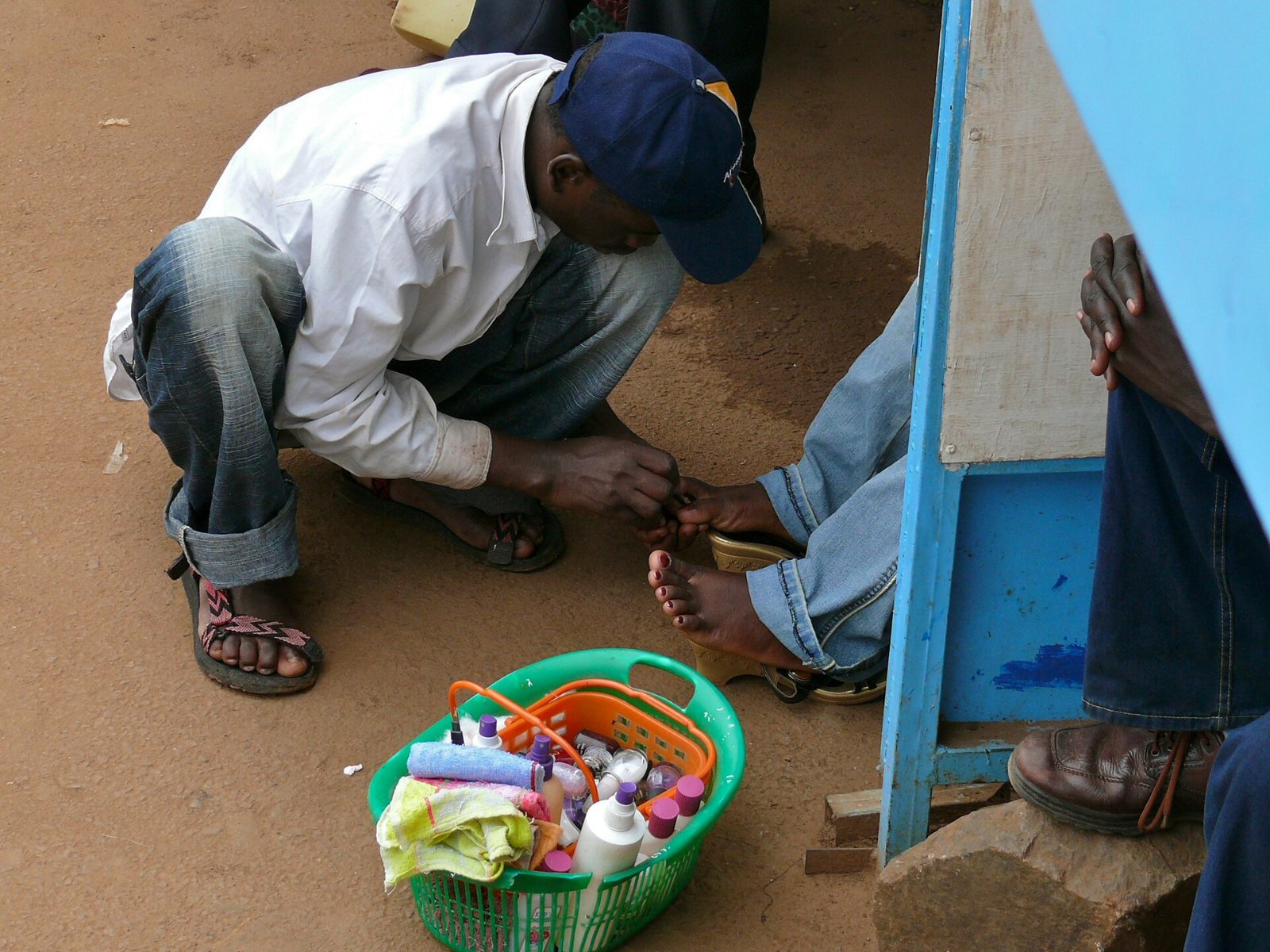
You can do a tidy manicure and pedicure at home in about an hour and a half with a handful of basic tools: remover, a glass or fine file, a cuticle pusher, a foot file, moisturiser and polish. The secret is the order of steps and not cutting living skin. Below is a full routine, a kit list and the warning signs that mean you should see a professional instead.
In this guide
What you need before you start
Gather everything first so you are not hunting for a file with wet polish on three nails. A basic home kit covers both hands and feet.
| Tool | Use | Tip |
|---|---|---|
| Acetone-free or acetone remover | Removing old polish | Acetone works faster but dries skin more |
| Glass or fine-grit file (180 grit or finer) | Shaping natural nails | File in one direction to avoid splitting |
| Straight-edge toenail clipper | Trimming toenails | Cut straight across to reduce ingrown nails |
| Orangewood stick or rubber pusher | Pushing back softened cuticles | Avoid metal scrapers on thin nails |
| Foot file or pumice | Smoothing heels | Use on damp, not soaking wet, skin |
| Bowl or basin | Soaking | Warm, not hot, water |
| Hand and foot cream, cuticle oil | Moisturising | Thicker creams for heels |
| Base coat, colour, top coat | Finishing | Thin layers dry faster |
Our home manicure checklist is a printable version of this list. Clean metal tools with soap and water and then wipe them with a suitable disinfectant after each use, and do not share them with others in the house.

The manicure routine, step by step
- Remove old polish. Press a soaked cotton pad on each nail for a few seconds, then wipe from base to tip.
- Trim and shape. Clip only if the nails are long, then file to your chosen shape. Square, squoval and round are the easiest to keep at home.
- Soak briefly. Two to three minutes in warm soapy water is enough to soften cuticles. Long soaks make nails swell, and polish then chips once they dry and shrink.
- Push back cuticles. Gently push the softened skin back with a wrapped orangewood stick. Only remove loose, dead tags; do not cut the living cuticle, which protects the nail matrix from infection.
- Buff lightly. A quick pass with a fine buffer removes ridges. Over-buffing thins the nail.
- Cleanse the plate. Wipe nails with remover or alcohol so the base coat grips.
- Paint. Base coat, two thin coats of colour, then top coat. Seal the free edge by running the brush along the tip.
- Hydrate. Once dry to the touch, apply cuticle oil and hand cream.
Make polish last longer in UAE heat
Store polish away from sunny windowsills and car dashboards; heat thickens it. Apply thin coats, wait a couple of minutes between them, and reapply top coat every two to three days.
The pedicure routine, step by step
- Remove polish and wash the feet.
- Soak for about five to ten minutes in warm water. People with diabetes should skip long soaks and check water temperature carefully.
- Trim toenails straight across, leaving the corners visible. Rounded corners dug into the skin are a classic cause of ingrown toenails.
- File the edges smooth.
- Smooth heels with a foot file on slightly damp skin, using gentle strokes. Remove a little at a time. Never use razor blades or “corn cutters” on yourself.
- Push back cuticles gently, as with the hands.
- Moisturise, focusing on heels, then wipe the nails clean before polish.
- Paint using toe separators, and allow longer drying time before shoes.
How long it all takes
Times are rough guides for an unhurried session. Doing hands and feet on different evenings is perfectly fine.
DIY versus a salon or home service
A home routine is cheap and relaxing, but it has limits. Gel, builder gel and acrylics need proper curing lamps, ventilation and, above all, correct removal. Peeling gel off strips layers of the nail plate. If you want long-wear finishes, a licensed salon or home service technician is usually the better choice. Our manicure types compared page explains how each option lasts and how it comes off.
The cuticle is a seal, not a flaw: push it back gently and leave the living skin alone.
Who should be careful
Skip it or get professional advice if
- You have diabetes, peripheral neuropathy or poor circulation in the feet. Ask your doctor or a licensed podiatrist before cutting nails or filing hard skin.
- A nail fold is red, hot, swollen or oozing, which can indicate infection.
- Nails are thick, yellow or crumbling, which may be fungal and needs diagnosis.
- You have an ingrown toenail that is painful or infected.
- There is a dark streak under a nail that is new or changing. See a dermatologist promptly.
In the UAE, licensed dermatologists and podiatrists can be found through DHA, DOH or MOHAP-licensed facilities depending on your emirate.
Frequently asked questions
How often should I do a manicure and pedicure at home?
Every one to two weeks for hands and every two to four weeks for feet suits most people. Moisturise daily in between.
Should I cut my cuticles?
No. Push them back gently and trim only loose dead tags. Cutting living cuticle raises the risk of infection.
Can I remove gel polish at home?
It is possible with acetone soaking and patience, but never peel or scrape forcefully. If in doubt, book a professional removal.
Why does my polish chip so fast?
Common causes are oily nail plates, thick coats, long soaks before painting and skipping the top coat. Hand washing and sanitiser also wear polish down.
Sources: American Academy of Dermatology, U.S. Food and Drug Administration, nail care products, Dubai Health Authority
Cover photo: Bernard DUPONT from FRANCE, CC BY-SA 2.0. Last reviewed: 2026-11-25. General information only, not medical advice. Please consult a licensed practitioner in the UAE about your own situation.