
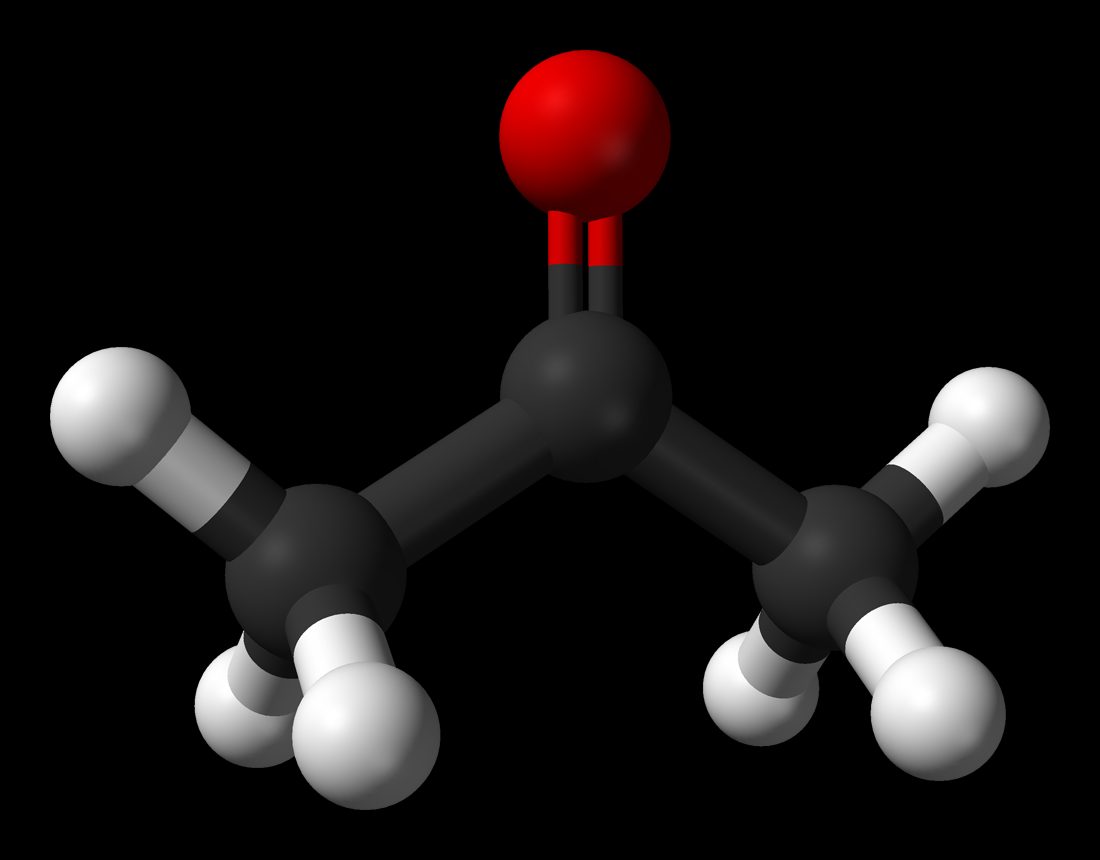
To remove gel polish at home, gently file away the shiny top coat, soak cotton pads in acetone, wrap each nail in foil for about ten to fifteen minutes, then ease the softened gel off with an orange stick and repeat where needed. The key is patience: never peel, pry or scrape gel off, because that pulls away layers of your natural nail.
In this guide
Know what you are removing
Not all “gel” products come off the same way.
| Product | Removal method | Home removal? |
|---|---|---|
| Soak-off gel polish (including many Shellac-type systems) | Acetone soak | Yes, with care |
| Builder gel / BIAB-style | Mostly filing, sometimes partial soak | Better done by a technician |
| Hard gel extensions | Filing only | Technician |
| Acrylic | Acetone soak, slow | Possible, but long and drying |
| Dip powder | Acetone soak after filing top | Yes, with care |
If you are not sure what was used, ask the salon. Trying to soak off a hard gel will just dry out your skin without lifting the product.
What you need
- 100% acetone or an acetone-based gel remover
- Cotton pads cut into small pieces, or ready-made remover wraps
- Aluminium foil cut into squares, or reusable clips
- A medium-grit file and a soft buffer
- An orange stick or a cuticle pusher with a rounded edge
- Cuticle oil and hand cream
- A towel to protect surfaces; acetone damages varnished wood and some plastics
Work in a well-ventilated room, away from heat, candles and cigarettes, because acetone is highly flammable. Keep it away from children.
Step-by-step soak-off method
- Break the seal. Lightly file the shiny top coat of each nail until it looks dull. Do not file down to the natural nail; you only need to break the surface so acetone can get in.
- Protect the skin. Apply a little cuticle oil or a rich cream around the nails. This helps reduce dryness from acetone.
- Soak and wrap. Press an acetone-soaked cotton piece onto each nail and wrap tightly with foil.
- Wait. Leave for around ten to fifteen minutes. Keep hands warm; wrapping them in a towel helps acetone work faster.
- Check one nail. Unwrap and see if the gel is lifting or crumbly. If it is, gently push it off with an orange stick, working from cuticle to tip.
- Rewrap where needed. If any gel resists, re-soak for five more minutes rather than forcing it.
- Buff lightly. Smooth small remaining patches with a soft buffer, not a coarse file.
- Wash and moisturise. Wash hands with mild soap, then apply cuticle oil and hand cream generously.
Make it easier
Do one hand at a time so you can still use the other. Reusable plastic clips keep cotton pads in place better than foil and are easy to clean.
Foil, clips or a soak bowl?
There are three common ways to hold acetone against the nail, and each has trade-offs.
Foil wraps are cheap and effective. Cotton pieces stay in contact with the nail and the foil traps heat and slows evaporation. The downside is that they are fiddly to put on your second hand, so many people ask someone to help or do one hand at a time.
Reusable clips hold a cotton pad in place with a small spring clip. They are quick, tidy and easy to clean, and they work well for regular removers. Make sure the pad covers the whole nail, including the sides.
Soak bowls let you dip fingertips into a small amount of warm, never heated, acetone. They can be faster for thick layers, but they expose more skin to acetone, so they are the most drying option. If you use one, keep soaking short and only immerse the nails, then moisturise straight afterwards.
Whichever method you choose, warm hands help. Some people place their wrapped fingers under a towel or near a warm, not hot, water bottle. Never heat acetone directly, as it is flammable.
What not to do
Avoid these common mistakes
- Peeling or picking gel off, which strips the top layers of the nail plate
- Using metal tools to scrape hard
- Filing aggressively to speed things up
- Soaking whole fingers in a bowl of acetone for long periods, which severely dries the skin
- Using acetone near heat, flames or in a closed small room
Gel should slide off after soaking; if you are pushing hard, it needs more time.
After removal: giving nails a break
Freshly uncovered nails may feel thin or bendy, partly because they have absorbed acetone and partly because of any past damage. Give them a few days to rest, moisturise every day and keep them short while they recover. If you plan another set soon, a strengthening routine helps; our home manicure checklist covers simple daily steps.
When to see a professional instead
Book a nail technician for removal if:
- You have builder gel, hard gel or extensions
- The gel has partly lifted and water may be trapped underneath
- You have a lot of layers or nail art with stones
- Your skin is cracked or sore around the nails
And see a doctor licensed in the UAE if you notice:
- Green, yellow or dark discolouration under the gel
- The nail lifting from the nail bed
- Pain, swelling, redness or pus
- Itching, redness or blistering around the nails or on the eyelids, which may signal an allergy to gel ingredients
How often should you take breaks from gel?
There is no strict rule, but many dermatologists suggest occasional breaks between gel sets so you can check the natural nails and let them recover. If your nails are peeling, splitting or thin, a few weeks of classic polish or bare nails can help. Compare the options in our manicure types comparison.
UAE tips
- Acetone evaporates quickly in hot, dry air, so keep wraps sealed tightly.
- Store acetone out of direct sunlight and never leave it in a hot car.
- Air-conditioned rooms are drying; moisturise more often after removal.
Frequently asked questions
How long does it take to remove gel polish at home?
Usually around thirty to forty minutes for both hands, including filing, soaking and moisturising.
Can I use regular nail polish remover?
Non-acetone removers usually will not dissolve gel. You need acetone or a remover designed for gel.
Why are my nails white and rough after removal?
Acetone dehydrates the nail surface. It usually improves within a day or two with oil and moisturiser. Persistent white patches may be surface damage from peeling or scraping.
Is it safe to remove gel while pregnant?
Acetone is commonly used, but ventilation is important. If you have concerns, ask your doctor or have it done in a well-ventilated salon.
Sources: American Academy of Dermatology: nail care, NHS: nail problems, Dubai Municipality
Last reviewed: 2026-11-25. General information only, not medical advice. Please consult a licensed practitioner in the UAE about your own situation.