

A small chip at the tip of a gel manicure can usually be fixed at home: smooth the edge with a fine file, seal it with a thin coat of gel or a regular polish, and cap the free edge. If the gel is lifting, peeling in sheets or the nail underneath is cracked, a touch-up will trap moisture and dirt, so it is better to remove that nail properly and redo it.
In this guide
Why gel chips in the first place
Gel polish is flexible when it is cured well, but it is not indestructible. Most chips start at the free edge, the part of the nail that hits keyboards, car door handles and phone screens all day. Others come from the way the manicure was done: a base coat that touched the cuticle, oily nail plates, coats that were too thick to cure through, or a top coat that was not wrapped over the tip.
Life in the UAE adds a few of its own triggers. Hands go from a hot car to a cold office many times a day, and nails expand and contract slightly with temperature and moisture. Frequent hand washing, sanitiser, swimming pools and long showers all soften the natural nail under the gel, and a soft nail flexes more than the coating on top of it. Over two or three weeks that difference shows up as small chips or a lifted corner.
Chip or lift?
A chip is a piece of colour missing from the surface or tip while the rest stays firmly bonded.
A lift is when the gel separates from the nail, usually near the cuticle or sides, and you can see a pale air gap or catch it with a fingernail.
Chips can often be patched. Lifts should not be glued or sealed over.

Check the damage before you fix anything
Look at the nail in good light and press gently around the chipped area. The table below is a quick way to decide what to do.
| What you see | Likely cause | Best move |
|---|---|---|
| Tiny chip at the very tip | Wear on the free edge | File smooth and seal at home |
| Colour gone from a small patch, gel still firm | Surface knock | Fill with matching colour and top coat |
| Edge lifting, air gap visible | Poor bond or prep | Remove that nail and redo |
| Gel peeling off in one piece | Base coat failure | Remove fully, check nail, redo later |
| Crack in the natural nail | Trauma or weak nail | Do not cover; let it grow or see a professional |
If the nail under the chip looks white, green, yellow or the skin around it is red, swollen or sore, stop there. That is not a cosmetic issue any more, and covering it can make things worse.
A step-by-step home fix for a small chip
This works for chips on a firmly bonded gel manicure. You need a fine file (180 grit or softer), a buffer, lint-free wipes, isopropyl alcohol or a nail cleanser, and either gel products with a lamp or a regular polish with a good top coat. The Home Manicure Checklist lists the basic kit if you are building one.
- Wash and dry your hands well. Moisture under a patch is the main reason home fixes fail.
- Gently file the chipped edge in one direction until there is no step you can feel with a fingertip. Do not file into the natural nail.
- Lightly buff the shiny top coat around the chip so the new layer has something to grip.
- Wipe the nail with alcohol to remove dust and oils.
- Apply a very thin layer of colour only to the chipped area, feathering it into the surrounding gel. Cure if using gel.
- Apply a second thin layer if needed, then a top coat over the whole nail, running the brush along the free edge to cap it.
- Cure fully, wipe off any sticky layer, and apply cuticle oil.
If you do not have a lamp
A regular nail polish over gel is a reasonable short-term fix. It will not last as long as the gel around it, and it can look slightly different in shine, but it covers the gap until your next appointment. When you later soak off the gel, the regular polish will come off with it.
What not to do
- Do not pick or peel the chip further. Peeling gel removes the top layers of your nail plate with it.
- Do not use super glue or nail glue to stick down a lifted edge. It seals water and bacteria in.
- Do not stack thick layers to hide the chip. Thick gel cures poorly in the middle and can cause heat spikes or sensitivity under the lamp.
When removal is the better fix
A touch-up only makes sense if the rest of the manicure is in good shape. If the gel is three weeks old, has grown out a lot, or more than one nail is lifting, a full removal and fresh set is usually kinder to your nails than patching. The same goes for gel on nails that are bending or splitting.
Signs to see a professional
- Pain, throbbing or heat around the nail
- Swelling, pus or red skin along the nail fold
- The nail separating from the nail bed
- Discolouration that does not wipe off
A dermatologist or GP in the UAE can check for infection. Nail technicians should not treat infections.
Gel is designed to be soaked off, not prised off. If you are not comfortable removing it at home, a salon can do it with acetone and gentle pushing, without drilling into the natural nail.
How to stop the next chip
Most chipping is preventable with good prep and a few daily habits.
- Ask for the top coat to be capped over the free edge on every nail.
- Keep nails a practical length. Long tips take more knocks.
- Wear gloves for washing up and cleaning products. Hot water and detergents soften the nail.
- Use the pads of your fingers, not your nails, to open cans, peel stickers or scratch off labels.
- Apply cuticle oil daily so the nail and skin stay flexible. In air-conditioned rooms this matters more than most people expect.
- Book a removal and refresh around the two to three week mark rather than stretching it out.
A small, well-sealed patch is fine; a patch over a lifted edge is not.
If your gel seems to chip within a few days every time, it may be worth looking at the type of manicure itself. Some nails do better with a builder or rubber base, others with regular polish. Our Manicure Types Compared page sets out how the main options differ.
Hygiene and safety during a home fix
Use clean tools and keep files for your own use only. Metal tools should be washed and disinfected after each use. Work in a ventilated space, especially with acetone and gel products, and keep acetone away from heat and flames; in a UAE summer, a car glove box or balcony is not a safe place to store it.
Some people develop an allergy to ingredients in gel products, often methacrylates. If your skin around the nails becomes itchy, red or blistered after a fix, stop using the product and seek advice from a doctor. Gel that touches the skin before curing is a common way this allergy starts, so keep the new layer on the nail only.
Frequently asked questions
Can I just put a new top coat over the chip?
Top coat alone will seal a tiny chip but will not hide it. For a neat result, fill the gap with a thin layer of colour first, then top coat the whole nail.
How long will a home patch last?
On a well-bonded manicure, a patch can last until your next removal. A patch done with regular polish usually lasts a few days to a week before it needs redoing.
Is it safe to file gel at home?
Light filing of the gel surface is fine. Avoid filing through to the natural nail or using electric drills unless you are trained, because thinning the nail plate makes it weak and sensitive.
Why does my gel always chip on the same finger?
That finger often takes the most impact, such as the index finger when typing or the thumb when opening things. Shorter length and a well-capped edge usually help.
Should I keep gel on if my nails feel sore?
No. Soreness, heat or swelling are reasons to remove the gel and get the nail checked rather than keep it covered.
Sources: American Academy of Dermatology, NHS, US FDA: Cosmetics
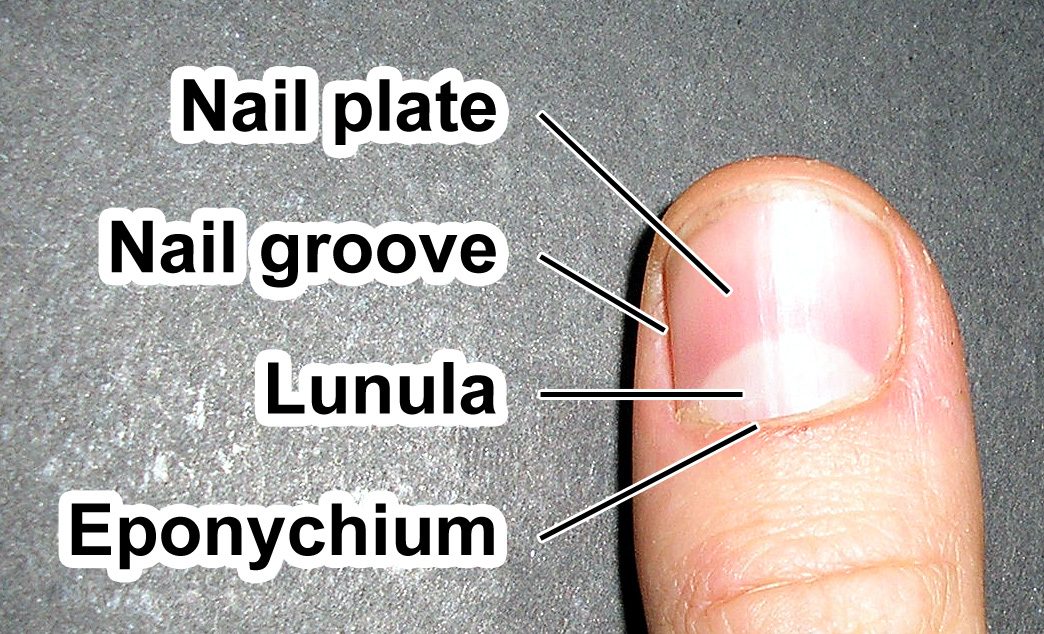
Cover photo: Francis Storr, CC BY-SA 2.0. Last reviewed: 2026-11-26. General information only, not medical advice. Please consult a licensed practitioner in the UAE about your own situation.