
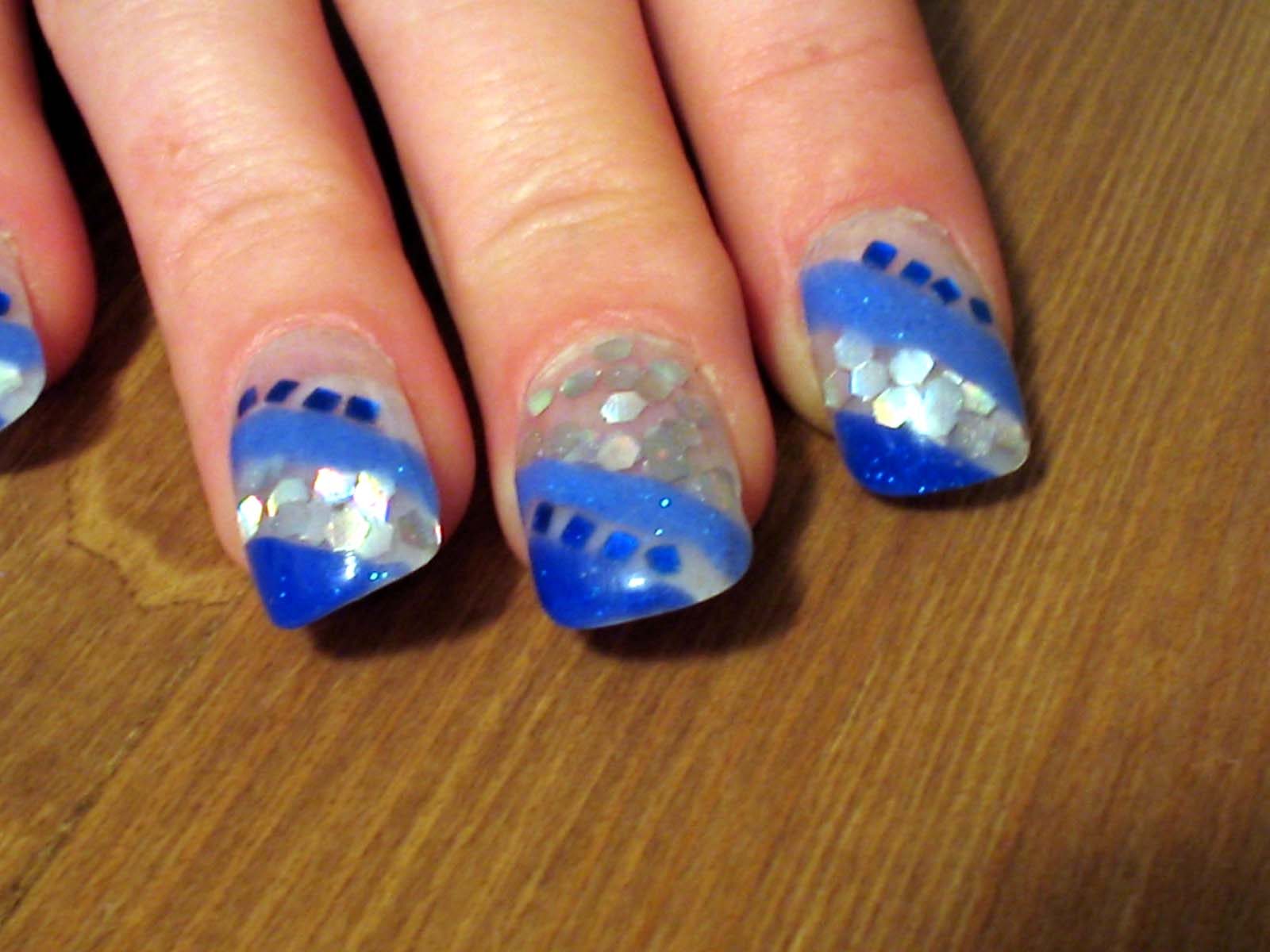
A Gelish manicure is a gel polish manicure, cured under an LED or UV lamp, that typically stays glossy and chip-free for around two to three weeks. Gelish is originally a brand name for a soak-off gel polish, but in the UAE many salons use “gelish” as an everyday word for any gel manicure, so it is worth asking which product is actually being used.
In this guide
Gelish: brand name or generic word?
Gelish is a line of soak-off gel polish sold to professional salons. Over time, especially in the Gulf, the name became shorthand for gel nails in general, much as people say “Shellac” for any gel. On a UAE salon menu, “Gelish manicure” may therefore mean the original brand, or a different gel polish entirely.
That matters for a couple of reasons. Different gel systems have their own base coats, top coats and curing times, and mixing products from different brands can affect how well the gel bonds and how it wears. It also matters if you have had a reaction to a particular product in the past.
Quick definition
Gel polish is a liquid that contains monomers and photoinitiators. Under a lamp of the right wavelength, it hardens (cures) into a flexible, glossy film. It does not air-dry like regular polish.
How a Gelish manicure is done
- Prep. Nails are shaped, cuticles are pushed back, and the surface is lightly buffed to remove shine.
- Cleanse and dehydrate. The nail is wiped to remove oils so the gel bonds properly.
- Base coat. A thin layer is applied and cured under the lamp.
- Colour. Usually two thin coats, each cured separately. Thin layers cure fully; thick layers can wrinkle or stay soft underneath.
- Top coat. Seals the colour and adds shine, then a final cure.
- Finish. Any sticky inhibition layer is wiped off, and cuticle oil is applied.
The whole process often takes 45 minutes to an hour, longer with nail art.
Gelish vs regular polish vs other gels
| Feature | Gelish / gel polish | Regular polish | Builder gel / hard gel |
|---|---|---|---|
| Drying | Cured under lamp in seconds to a minute | Air-dries, can smudge for an hour | Cured under lamp |
| Typical wear | Around 2 to 3 weeks | A few days to a week | 3 weeks or more with infills |
| Finish | High gloss | Varies | Gloss, adds strength and shape |
| Removal | Soak-off with acetone | Polish remover | Filing, sometimes partly soakable |
| Adds strength | A little | No | Yes |
For a fuller comparison with dip powder, acrylic and Shellac, see our manicure types compared table.
Why gel manicures are popular in the UAE
Gel stands up to daily life here well. It dries instantly, so you can walk out of the salon and drive straight away. It resists chipping through beach days, pools and travel. And it keeps a glossy look for special occasions such as weddings and Eid, when many salons are fully booked.
Removal: where nails get damaged
Most nail damage blamed on gel actually comes from removal.
The right way: the top coat is lightly filed to break the seal, then cotton soaked in acetone is wrapped around each nail with foil or clips for around 10 to 15 minutes. The softened gel is gently pushed off. Many skilled technicians instead remove most of the gel carefully with an e-file, leaving a thin base layer.
The wrong way: peeling or picking gel off at home. This pulls away the top layers of the nail plate, leaving it thin, white-spotted and bendy.
If your nails feel weak after gel, the problem is usually how it came off, not the gel itself.
Safety considerations
Acrylate allergy. Gel products contain acrylates, such as HEMA. Repeated contact with uncured gel on the skin can cause an allergic contact dermatitis: itching, redness, swelling or blisters around the nails and sometimes on the face or eyelids. Once you are sensitised, the allergy is usually lifelong and can affect dental or medical materials too. Good technicians keep gel off the skin.
UV exposure. Curing lamps emit UV light. The exposure per manicure is low, but it adds up over years. Many dermatologists suggest applying broad-spectrum sunscreen to the hands beforehand or wearing fingerless UV-protective gloves.
See a doctor or dermatologist if
- Skin around the nails becomes itchy, red, swollen or blistered after a gel manicure
- Nails lift from the nail bed, or the nail bed becomes painful
- You notice signs of infection such as pus, throbbing or spreading redness
- A dark line or spot appears under a nail and does not grow out
Who should take a break or avoid it
- Anyone with a known acrylate allergy
- People with thin, damaged or peeling nails that need recovery time
- Those with nail fungus or infection, which gel can hide while it worsens
- Anyone with a skin condition around the nails, such as eczema or psoriasis, that flares with products
Making it last longer
- Apply cuticle oil daily; hydrated nails flex instead of cracking the gel
- Wear gloves for cleaning and washing up
- Avoid using nails as tools to open cans or peel labels
- Book removal or a refill at around two to three weeks, before lifting lets water in
Our home manicure checklist includes aftercare between salon visits.
Frequently asked questions
How long does a Gelish manicure last?
Typically around two to three weeks. Nail growth, how you use your hands and the quality of prep all affect wear.
Can I do a Gelish manicure at home?
Home gel kits are widely sold. Follow the instructions carefully, keep gel off your skin, cure each thin layer fully, and never peel it off. Allergy risk is higher when gel touches the skin repeatedly.
Is Gelish the same as Shellac?
Both are soak-off gel polishes from different brands. They work in a similar way, and many people use the names interchangeably.
Is Gelish bad for your nails?
Applied and removed properly, it should not cause significant damage. Problems usually come from aggressive filing, peeling or no breaks between sets.
Sources: American Academy of Dermatology, British Association of Dermatologists, DermNet
Cover photo: M.Minderhoud, CC BY-SA 3.0. Last reviewed: 2026-11-25. General information only, not medical advice. Please consult a licensed practitioner in the UAE about your own situation.