
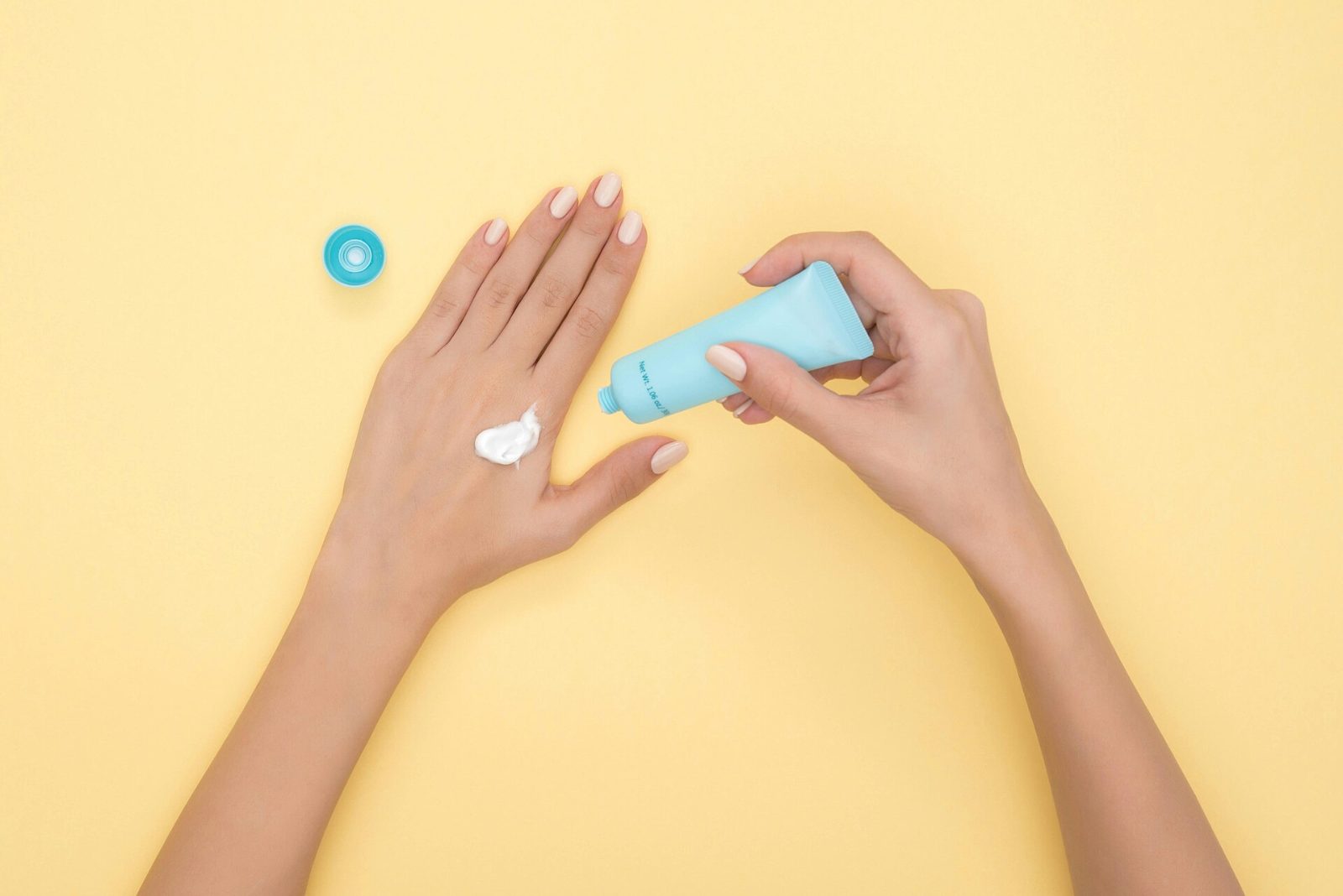
Brittle nails usually come from repeated wetting and drying, harsh products and rough nail habits rather than from a serious illness. Peeling layers at the tip and nails that snap easily often improve within a few months with gentler care and regular moisturising. Sometimes, though, brittleness is linked to a health condition, so persistent changes are worth checking with a doctor.
In this guide
What “brittle” can mean
People describe brittle nails in different ways, and the pattern gives clues:
| What you see | Common name | Typical triggers |
|---|---|---|
| Thin layers peeling at the free edge | Onychoschizia, or “layering” | Wet-dry cycles, solvents, removers |
| Splits running from tip towards the cuticle | Onychorrhexis | Dryness, ageing, trauma |
| Nails that bend and tear | Soft or thin nails | Over-filing, gel removal damage, water exposure |
| Nails that snap rather than bend | Hard, dry nails | Low moisture, detergents, cold dry air |
Most people have a mix. The good news is that the same care routine helps all of them.
The everyday causes
Repeated wetting and drying
Nails absorb water and swell, then shrink as they dry. Do that many times a day and the layers of keratin separate. Frequent hand-washing, cleaning, washing up and swimming are the biggest culprits for most people.
Sanitiser, detergents and solvents
Alcohol gels, household cleaners and nail polish remover all strip oils from the nail and skin. Acetone in particular dries the nail plate, which is why nails often feel fragile right after polish is removed.
Gel and acrylic removal
Gel and enhancements are not automatically bad, but removal is where damage often happens. Peeling or picking off gel lifts the top layers of the natural nail with it. Heavy filing of the surface before application thins the plate further. Over several sets the nail becomes bendy and splits easily.
Using nails as tools
Opening cans, scraping labels or prying lids puts sudden force on the free edge and starts small cracks that later travel.
Climate and air-conditioning
In the UAE, people move between hot, humid outdoor air and cold, dry indoor air many times a day. Low indoor humidity, especially in offices and cars, adds to dryness.
Gentle habits that make a real difference
- Wear rubber or nitrile gloves, ideally with a cotton liner, for cleaning and washing up
- Moisturise hands and nails after washing, not just once a day
- Use a fine file and file in one direction
- Keep nails shorter while they recover
- Use the pads of your fingers, not your nails, to open things
Health-related causes
Brittle nails can sometimes be one sign of a broader issue. These are less common causes, and nail changes alone do not confirm any of them:
- Iron deficiency, which can cause thin, brittle or spoon-shaped nails
- Thyroid problems, which can affect nail growth and texture
- Skin conditions such as psoriasis or lichen planus that involve the nails
- Fungal infection, which tends to thicken, discolour and crumble the nail rather than make it thin
- Ageing, as nails naturally become drier and more ridged
If brittleness comes with tiredness, hair loss, feeling cold, palpitations, weight change or other symptoms, see a doctor. Blood tests may be useful, and treating an underlying cause helps the nails too.
See a doctor if
- Nails change colour, thicken or crumble
- The nail lifts away from the bed
- There is pain, swelling or pus around a nail
- You notice a new dark streak under a nail
- Brittleness does not improve after three to six months of gentle care
What helps, step by step
- Moisturise often. Use a hand cream with occlusive ingredients, such as petrolatum, shea butter or lanolin, after each wash, and massage it into the nails and cuticles.
- Oil at night. A few drops of cuticle oil before bed is easy to keep up.
- Trim after a bath or shower. Nails are softer then and less likely to split.
- Cut back on remover. Change polish less often and choose a gentler remover where possible.
- Give nails a break. If you wear gel continuously, take a few weeks off between sets and have gel removed properly by soaking.
- Be patient. Fingernails grow slowly. You will see real change only as new nail grows out from the cuticle, which takes a few months.
Our home manicure checklist includes a recovery routine you can follow between salon visits.
Brittle nails need fewer wet-dry cycles and more moisture; most fixes come down to those two things.
Do supplements help?
Biotin is often marketed for nails. Some small studies suggest it may help some people with brittle nails, but the evidence is limited. Biotin can also interfere with some laboratory blood tests, including certain thyroid and heart tests, so tell your doctor if you take it. It is sensible to talk to a doctor or pharmacist before starting any supplement, especially if you are pregnant, breastfeeding or take other medicines.
Nail hardeners: use with care
Nail hardeners can make nails feel stronger, but some contain formaldehyde or similar ingredients that can make nails more rigid and prone to snapping if overused, and can irritate skin. If you use one, follow the instructions, apply only to the nail plate, and stop if you notice redness or itching around the nails.
Manicures while your nails recover
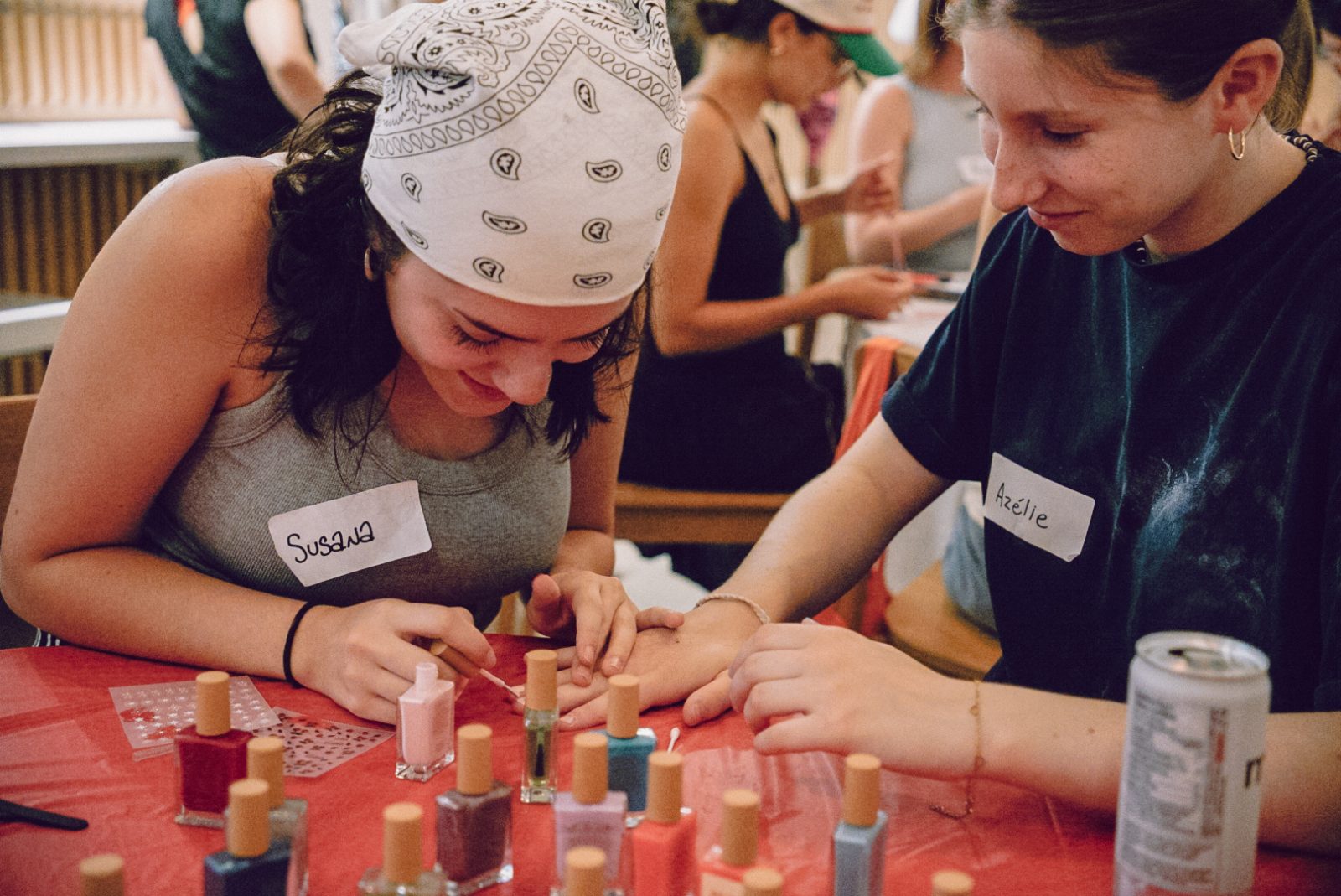
You can still enjoy manicures. Ask your technician for light filing, no heavy buffing and careful cuticle work. Classic polish is easier on recovering nails than repeated gel sets. If you do wear gel, insist on proper soak-off removal. Compare options in our manicure types comparison.
Frequently asked questions
How long does it take for brittle nails to improve?
Usually a few months, because the healthier nail has to grow out from the base. Consistent moisturising and gloves speed things up.
Is gel polish making my nails brittle?
Gel itself is not the main problem; aggressive prep and peeling it off are. Proper soak-off removal and breaks between sets help.
Should I drink more water for my nails?
Staying hydrated is good for overall health, but external dryness from washing and solvents is usually the bigger factor for nails.
Can brittle nails be a sign of illness?
Occasionally. If brittleness comes with other symptoms or does not improve with good care, see a doctor licensed in the UAE.
Sources: American Academy of Dermatology: brittle nails, NHS: nail problems, Department of Health Abu Dhabi
Last reviewed: 2026-11-25. General information only, not medical advice. Please consult a licensed practitioner in the UAE about your own situation.