
Choose a gel manicure if you want colour on your own nails with a natural look and soak-off removal; choose acrylic if you want length and strength that a natural nail cannot give. Gel is thinner and more flexible, acrylic is harder and better for long extensions. Both can be gentle or damaging depending on prep and removal.
In this guide
The core difference in one minute
Gel is a liquid that hardens under a UV or LED lamp. It is brushed onto the nail like polish, in thin layers. Acrylic is made by mixing a liquid monomer with a powder polymer; the technician sculpts the resulting bead into shape and it hardens in the air. Gel is mostly used to colour and protect natural nails, acrylic mostly to build extensions or overlays.
| Factor | Gel manicure | Acrylic nails |
|---|---|---|
| How it sets | Cured under UV or LED lamp | Air-dries as monomer and powder react |
| Typical use | Colour on natural nails | Extensions, overlays, sculpting |
| Look | Thin, glossy, natural | Thicker, very durable, can look less natural |
| Wear time | Around 2 to 3 weeks | Infills roughly every 2 to 3 weeks |
| Removal | Acetone soak (soak-off gels) | Longer acetone soak, often with filing |
| Smell | Low | Strong monomer smell during application |
| Flexibility | Bends a little with the nail | Rigid, may crack under impact |
For a wider comparison including shellac, dip powder and regular polish, see our manicure types compared table.
Which lasts longer?
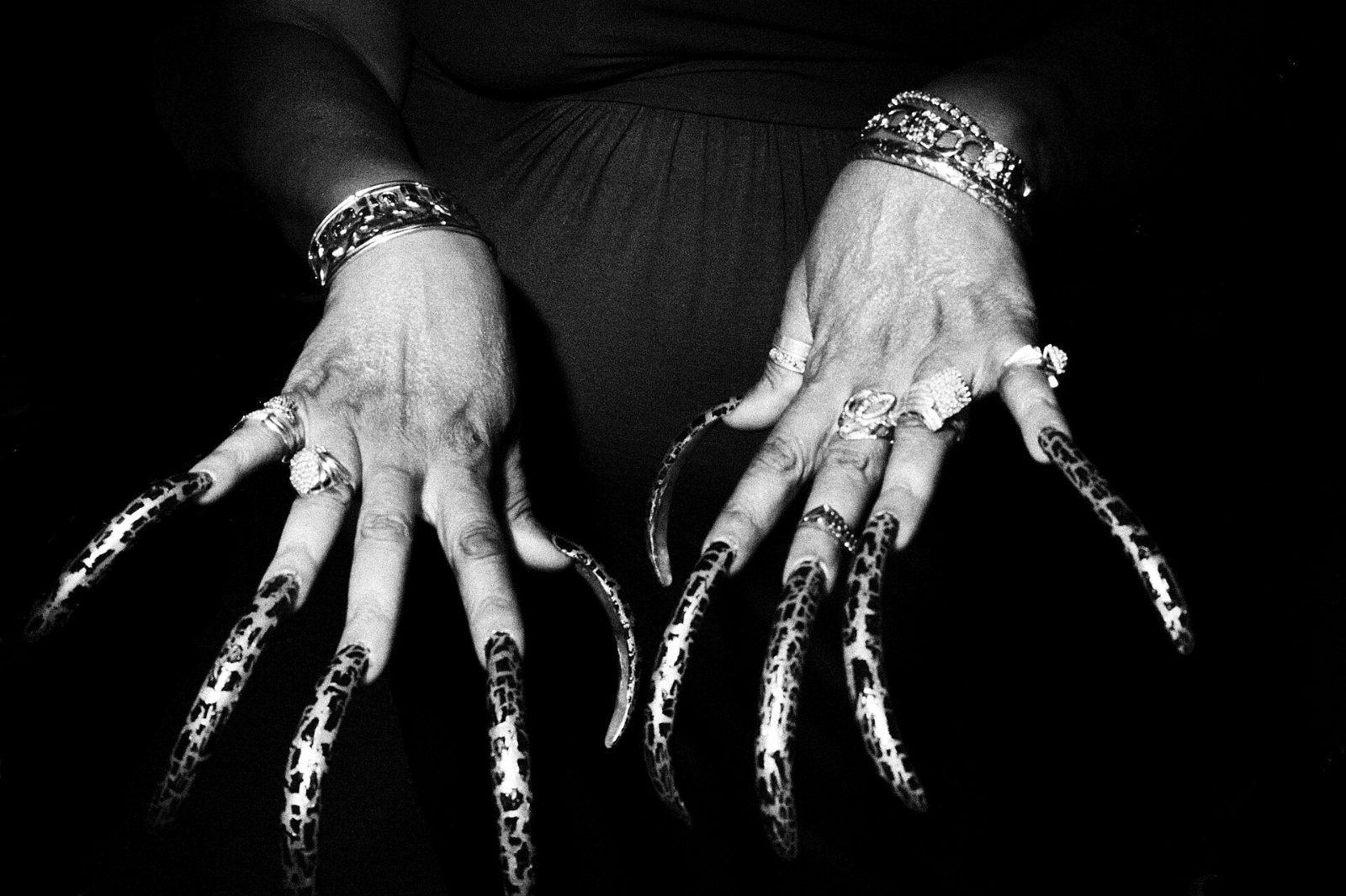
Acrylic is the more durable material and is the usual choice for long, shaped extensions. Gel on natural nails typically lasts two to three weeks before regrowth shows. Acrylic sets can last longer between appointments, but they need infills as the natural nail grows, otherwise the weight shifts forward and the nail can lever and break.
In daily UAE life, wear time is shortened by pool chlorine, cleaning chemicals, frequent hand washing and using nails as tools. Wearing gloves for chores helps either option last.
Quick decision guide
- Short nails, want colour and shine: gel
- Weak, bendy nails, want a bit of reinforcement: gel with a builder base
- Want length and dramatic shapes like stiletto or coffin: acrylic or hard gel
- Sensitive to strong smells: gel
- Hands in water or heavy work all day: a short, sturdy option, discussed with your technician
Which is better for your natural nails?
Neither is automatically healthier. The damage people blame on gel or acrylic usually comes from three things:
- Over-filing during prep. The nail surface should only be lightly buffed.
- Forceful removal. Peeling gel or prying acrylic rips layers off the nail plate.
- Wearing sets too long without infills or removal, which lets moisture and bacteria collect under lifted edges.
Acrylic removal usually takes longer and involves more filing, so it can be harder on thin nails. Gel removal is gentler when done with patience.
Chemical and safety considerations
- Monomer choice. Reputable acrylic systems use ethyl methacrylate (EMA). Methyl methacrylate (MMA) liquid is considered unsuitable for nail use by many regulators because it bonds very hard, is difficult to remove and has been linked to injuries. Ask your salon which product they use.
- Ventilation. Acrylic monomer fumes are strong. Good salons have ventilation or extraction at the desk.
- UV exposure. Gel needs a lamp. Occasional exposure is considered low risk, but sunscreen on the hands or fingerless UV gloves reduce it further.
- Allergies. Both gel and acrylic contain acrylates that can trigger allergic contact dermatitis, particularly when uncured product touches skin.
Stop and see a doctor if
- Skin around the nails becomes itchy, red, swollen or blistered after a service.
- A nail lifts and shows a green, black or yellow patch underneath.
- There is throbbing pain, pus or spreading redness.
Licensed dermatologists in UAE clinics regulated by DHA, DOH or MOHAP can assess allergy and infection.
Pick the material for the job you want your nails to do, then choose the salon for how carefully it preps and removes.
Aftercare for both options
Whichever you choose, the first 24 hours and the weeks after decide how long the set lasts and how healthy your nails look when it comes off.
- Apply cuticle oil daily. Flexible, hydrated skin and nail edges reduce lifting and cracking.
- Wear gloves for cleaning, gardening and washing dishes.
- Do not use nails to open cans, peel stickers or scrape labels.
- Book infills or removal on time instead of letting a set grow out for six weeks.
- If one nail lifts, have it fixed or removed promptly so water does not sit underneath.
- Between sets, use a nourishing base coat or simply leave nails bare for a week if they feel thin.
Air conditioning and outdoor heat dry the skin around the nails, which makes hangnails more likely. Keeping a small bottle of oil in your bag or car is an easy habit that helps both gel and acrylic wearers.
Choosing a salon in the UAE
Look for a licensed salon with visible tool sterilisation, single-use files or files kept per client, and ventilation for acrylic services. Ask what brands they use and how they remove sets. If a technician reaches for a drill to grind off gel at high speed on your natural nail, ask for a soak-off instead.
Frequently asked questions
Is gel or acrylic cheaper?
Prices vary widely by salon and design. Acrylic extensions usually cost more than a gel manicure because they take longer and need infills.
Can I switch from acrylic to gel?
Yes. Have the acrylic professionally removed, give the nails some recovery time if they are thin, then start with gel.
Which is better for short nails?
Gel generally looks more natural on short nails because it is thinner.
Can I get gel polish on top of acrylic nails?
Yes, many salons apply gel colour over acrylic for a longer-lasting shine.
Sources: American Academy of Dermatology, U.S. Food and Drug Administration, nail care products, Dubai Municipality
Last reviewed: 2026-11-25. General information only, not medical advice. Please consult a licensed practitioner in the UAE about your own situation.