
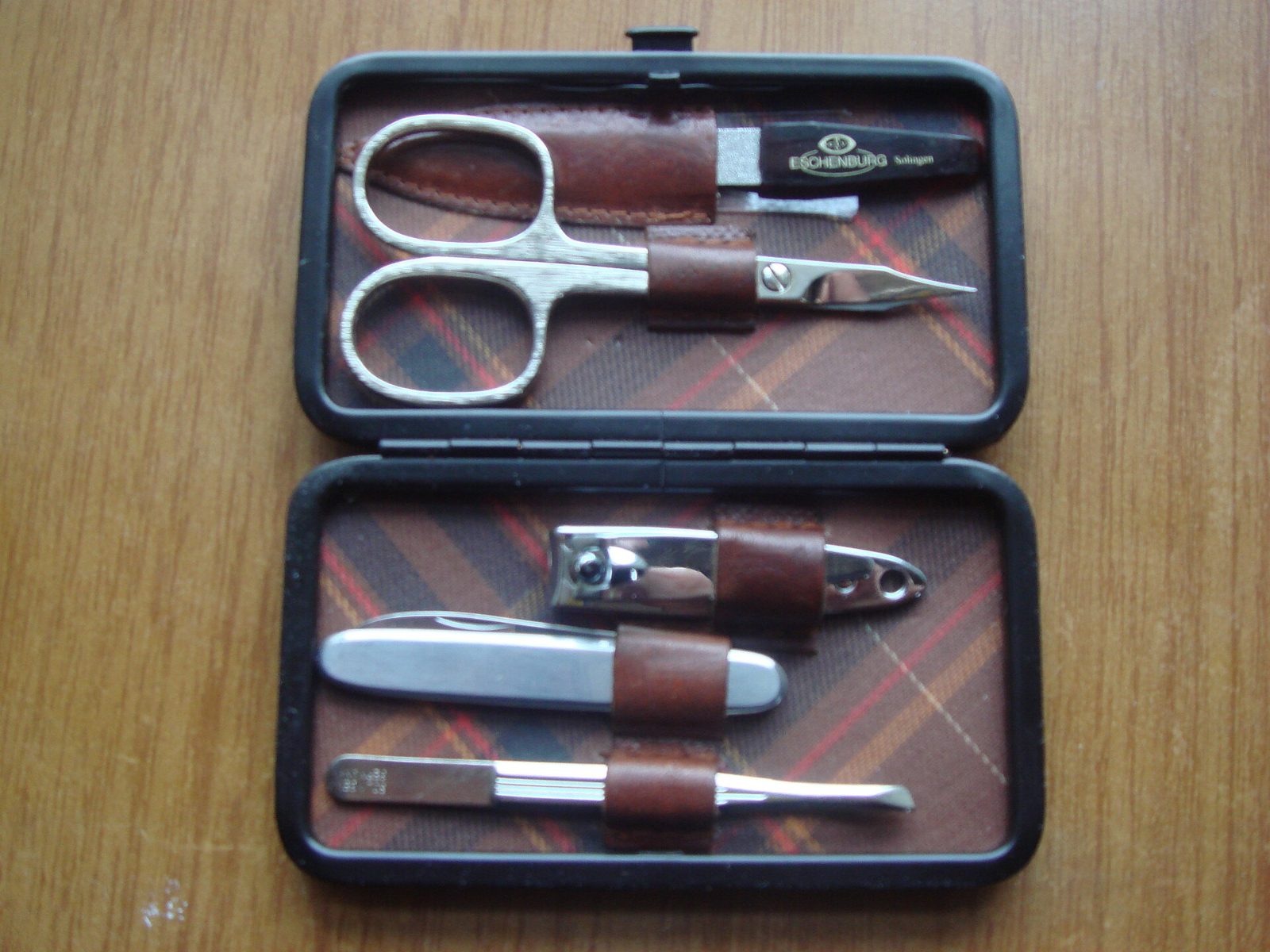
A Japanese manicure is a polish-free treatment in which a nourishing paste is massaged into the natural nails and then buffed with a soft buffer and a fine powder until the nails have a healthy, glass-like shine. It does not add colour or a coating, so there is nothing to chip or remove. It is popular as a “rest” between gel sets, for people with weak nails, and for anyone who prefers a clean, natural look.
In this guide
Where it comes from
The technique has its roots in Japanese nail care traditions, and it became known internationally largely through branded professional kits, the best known being P.Shine. Today many salons in the UAE list it simply as a Japanese manicure, sometimes as a “natural nail” or “healthy nail” treatment. Exact products and steps vary by brand and salon.
How it is done
While routines differ slightly, the core process looks like this:
- Soak and prep. Hands are soaked or wiped clean and nails are gently shaped.
- Cuticle care. Cuticles are softened and pushed back rather than cut aggressively.
- Paste. A conditioning paste, often containing ingredients such as minerals, keratin, vitamins or waxes depending on the brand, is rubbed into each nail.
- First buff. A soft buffer, traditionally leather or a similar material, is used to work the paste into the surface.
- Powder. A fine powder is applied.
- Final buff. Buffing again leaves a smooth, glossy surface.
- Hand massage. Often with oil or cream to finish.
The result looks like a clear, sheer polish, but it is the nail itself that shines.
Japanese manicure at a glance
- Finish: natural, glossy, no colour
- Coating: none, nothing to remove
- Typical appointment: about 30 to 60 minutes
- Shine: fades gradually over one to two weeks
- Best for: natural nail health, men’s grooming, breaks between gel
Japanese vs other manicures
| Colour | None, natural shine | Yes | Yes | Usually gel colour |
|---|---|---|---|---|
| Removal needed | No | Polish remover | Soak or file | E-file or soak |
| Drying time | None | Up to an hour | Seconds under lamp | Seconds under lamp |
| Wear | Shine fades gradually | Days to a week | 2 to 3 weeks | 3 to 4 weeks |
| Effect on nail | Conditioning | Neutral | Can thin nails if removed badly | Depends on technician |
Our manicure types compared table covers these and more side by side.
Who it suits
People taking a break from gel or acrylic. If your nails are thin or peeling after long-wear coatings, a series of Japanese manicures provides a polished look without adding more product, while you wait for healthy nail to grow out.
Men. It offers a groomed, clean finish without visible polish, which is why it appears on many men’s grooming menus in the UAE.
Anyone with sensitivities. People who react to acrylates in gel products often look for alternatives. The Japanese manicure uses different ingredients, but check the product list if you have known allergies.
Busy people. There is no drying time and nothing to chip.
If your nails need a holiday from gel, the Japanese manicure is the polished way to take one.
Does it really strengthen nails?
Buffing creates a smooth surface that reflects light well and looks healthy, and the paste conditions the nail surface. Many people report that their nails feel smoother and break less. However, strong independent clinical evidence for long-term strengthening is limited, and claims vary between brands.
What clearly helps weak nails is avoiding further damage: gentle filing, no peeling of coatings, gloves for cleaning, and daily cuticle oil. Persistent brittleness can sometimes reflect health issues, such as iron deficiency or thyroid problems, so it is worth mentioning to your doctor.
A note on over-buffing
Buffing removes a tiny amount of the nail surface each time. Done gently and not too often, this is fine. Aggressive or very frequent buffing, especially with coarse tools at home, can thin the nail plate. Leave a few weeks between treatments, and only use the gentle buffing tools that come with proper kits.
When to see a doctor instead
- Nails that are splitting, lifting or crumbling without obvious cause
- Redness, swelling or pus around a nail
- Thick, yellow or discoloured nails, which may be fungal
- A dark line or spot under the nail that is new or changing
Japanese manicure in the UAE climate
Dry indoor air, frequent hand washing and sanitising, and sun exposure all make nails more brittle. A Japanese manicure fits nicely into a routine aimed at hydration. Between treatments:
- apply cuticle oil daily
- moisturise hands after washing
- wear gloves for cleaning
- use sunscreen on the backs of hands while driving
Can you do it at home?
Japanese manicure kits with paste, powder and buffers are sold for home use. Follow the instructions carefully and buff gently. The home manicure checklist covers basic tools and steps for neat nail care at home.
Frequently asked questions
How long does a Japanese manicure last?
The shine usually fades gradually over one to two weeks. Many people repeat it every two to four weeks.
Can I wear polish over a Japanese manicure?
You can, but it is designed to be worn without polish. If you plan to wear gel, the treatment is better as a break between sets.
Is a Japanese manicure suitable for men?
Yes. It gives a neat, natural shine without visible polish and is commonly booked by men.
Does a Japanese manicure work on very damaged nails?
It can make them look smoother and shinier while they grow out, but nails only recover as new, healthy nail grows from the base.
Sources: American Academy of Dermatology, British Association of Dermatologists
Cover photo: ElinorD, CC BY-SA 3.0. Last reviewed: 2026-11-25. General information only, not medical advice. Please consult a licensed practitioner in the UAE about your own situation.