
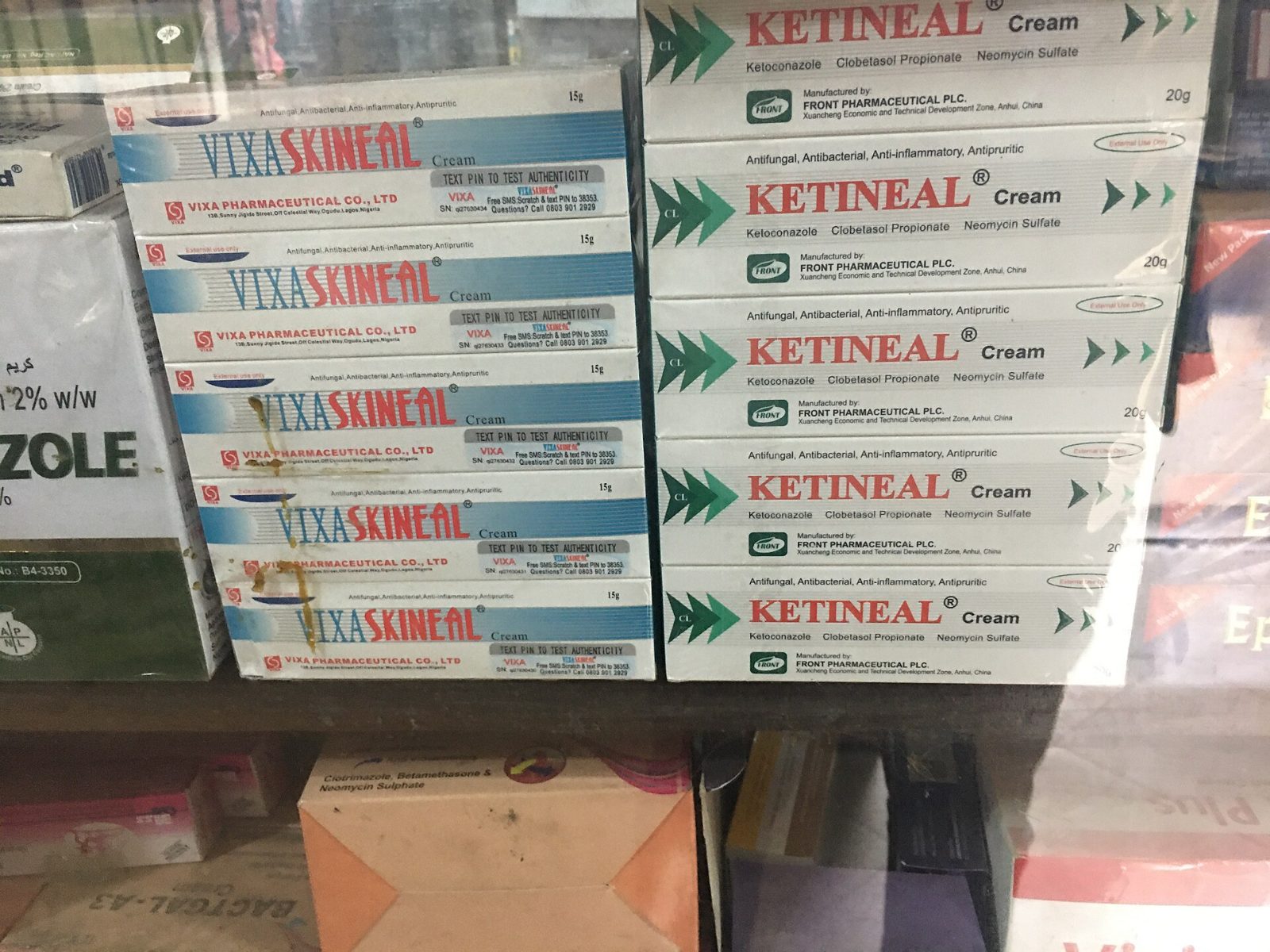
HEMA-free gel nail polish is gel made without 2-hydroxyethyl methacrylate (HEMA), one of the acrylates most often linked to allergic reactions from gel nails. Choosing HEMA-free products can reduce the chance of becoming allergic in the first place. It is not a guaranteed fix for people who are already allergic, because many react to several related acrylates, and HEMA-free gels still contain other methacrylates that can cause reactions.
In this guide
Why HEMA gets so much attention
HEMA is a small, reactive methacrylate monomer used in many gel bases, colours and top coats because it helps gel bond to the nail and cure well. Small molecules like HEMA can penetrate skin more easily than larger ones, which is one reason dermatologists frequently find it as the culprit when they patch test people with gel nail reactions.
Allergic contact dermatitis is a delayed immune reaction. The first exposures may cause nothing. Over time, repeated contact can sensitise the immune system, and after that, even small amounts can cause itching, redness, swelling or blisters, usually around the nails and fingertips, and sometimes on the eyelids, face or neck.
Key terms
- HEMA: 2-hydroxyethyl methacrylate, a common gel ingredient and allergen
- Di-HEMA trimethylhexyl dicarbamate: a larger molecule sometimes also excluded on “HEMA-free” labels
- Sensitisation: the process of becoming allergic after repeated exposure
- Cross-reaction: reacting to related chemicals after becoming allergic to one
What HEMA-free does and does not change
| Question | HEMA-free gel |
|---|---|
| Still a gel? | Yes, it needs a UV or LED lamp |
| Still contains acrylates or methacrylates? | Yes, other ones replace HEMA |
| Lower chance of becoming sensitised to HEMA? | Yes, if you never use HEMA products |
| Safe if already allergic to HEMA? | Not guaranteed; cross-reactions are common |
| Need for careful application? | Exactly the same |
| Wear and removal | Varies by brand; often similar to other soak-off gels |
The most useful way to see HEMA-free is as a prevention choice for people who have never reacted, rather than a solution for people who already have.

If you have never reacted to gel
Using HEMA-free products is a reasonable precaution, especially if you do gel often or at home. Combine it with good habits:
- Keep uncured gel off the skin; clean spills before curing.
- Cure every layer fully with the lamp recommended for the product.
- Avoid frequent layering or touch-ups that leave uncured residue.
- Wash hands after the manicure.
These habits matter as much as the formula. A HEMA-free gel applied carelessly can still sensitise someone to the other acrylates it contains.
If you have already reacted
If your skin has reacted to gel before, switching to a HEMA-free brand on your own is a gamble. Many people who react to HEMA also react to other methacrylates. Some find HEMA-free gels work for them; others continue to react.
The safer route:
- Stop using gel until the skin has healed.
- See a dermatologist in the UAE and ask about patch testing for acrylates.
- Find out which chemicals you react to. Results guide whether any gel is suitable.
- Tell your dentist and doctors. Some dental fillings, bone cements and other medical materials contain acrylates.
HEMA-free can help prevent an allergy. It cannot be relied on to cure one.
Signs to stop and get advice
- Itchy, red or swollen skin around the nails
- Small blisters or cracked, painful fingertips
- Nails lifting from the bed or tenderness under the nail
- Rashes on eyelids, face or neck after manicures
Reading labels
“HEMA-free” usually appears on the front of the bottle. Confirm it in the full ingredient (INCI) list. Look for names such as:
- HEMA or hydroxyethyl methacrylate
- Di-HEMA trimethylhexyl dicarbamate
- Hydroxypropyl methacrylate (HPMA), which some people also react to
- Isobornyl acrylate and other acrylates
Labels may differ in what they exclude. Some “HEMA-free” products exclude only HEMA; others also exclude di-HEMA. If you need a specific exclusion, check the ingredient list carefully rather than relying on the claim.
Buy from reputable retailers in the UAE, where products are registered and labelled for the local market, rather than unbranded online listings with no ingredient information.
Asking your salon
Salons are increasingly familiar with HEMA-free systems. Questions worth asking:
- Which brand do you use for base, colour and top coat?
- Is the whole system HEMA-free, or only some products?
- How do you avoid getting gel on the skin?
- What lamp and cure times do you use?
A technician who answers clearly and works neatly is as important as the bottle.
A note for home users
At-home gel kits are where many people first become sensitised. Home users often apply thicker coats, flood the cuticle, use a lamp that does not match the gel, or wipe off uncured product with their fingers. Some also do quick touch-ups every few days, which means more frequent contact with uncured gel. If you do your own gel, a HEMA-free system is a sensible choice, but the bigger wins are thin coats, a clean gap at the cuticle, the correct lamp, nitrile gloves when handling wipes soaked in uncured product, and never letting gel sit on your skin while you finish other nails. Keep bottles closed and out of reach of children, and wipe the bottle necks so you do not touch residue when opening them.
Lower-risk alternatives
If gel is not suitable, you still have options:
- Regular polish: air-dry, no lamp, easy to remove. Its allergen profile is different from gel, but reactions are still possible.
- Gel-effect polish: glossy finish without a lamp.
- Bare, buffed nails with daily cuticle oil for a clean, healthy look.
Our Manicure Types Compared page outlines how these options differ, and the Home Manicure Checklist includes safe-handling tips for home gel.
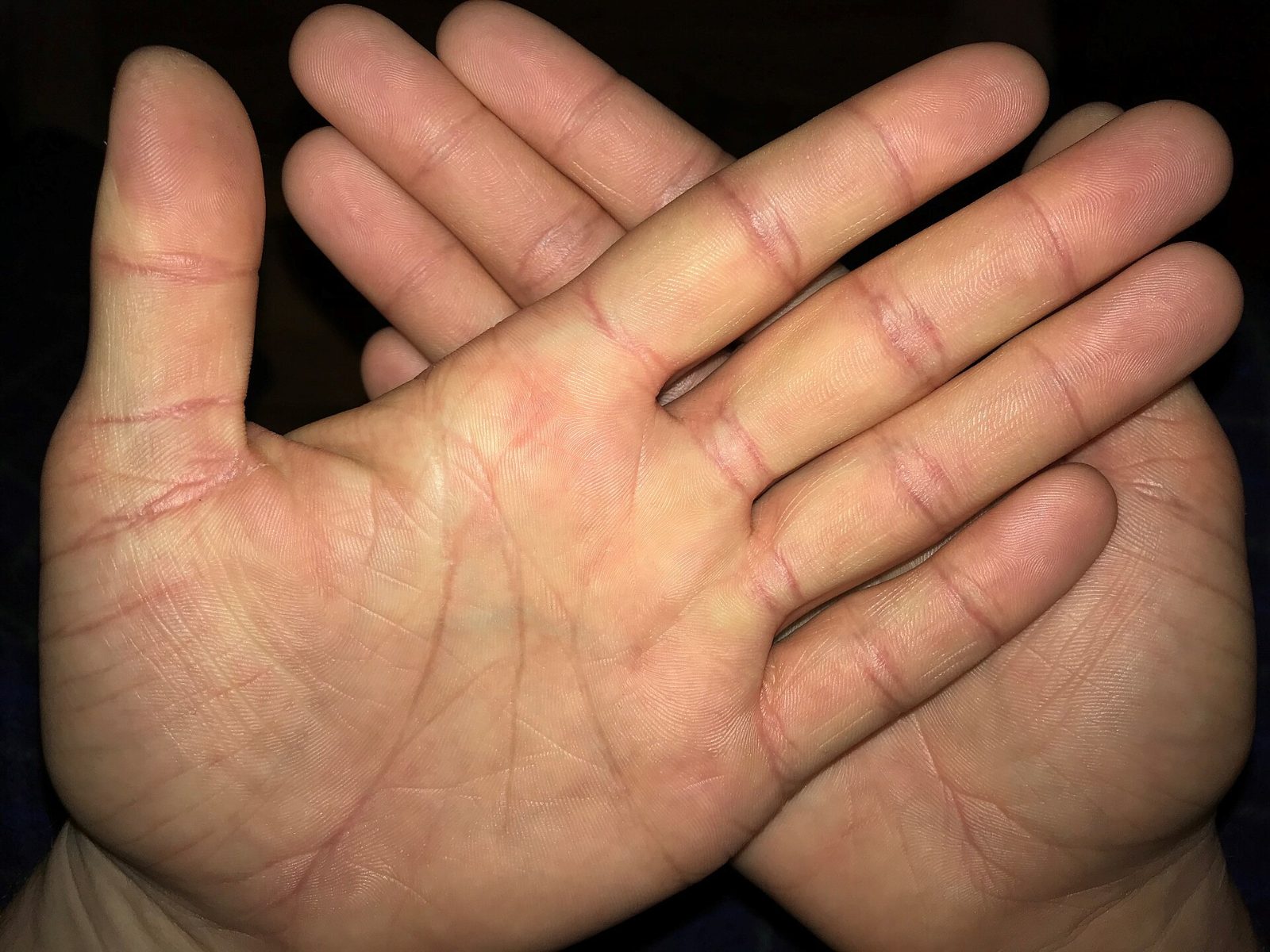
Caring for sensitive skin around the nails
- Use a fragrance-free hand cream after washing.
- Wear cotton-lined gloves for cleaning and washing up.
- Avoid harsh hand sanitisers when soap and water are available.
- In UAE air conditioning, apply cuticle oil daily to prevent cracking.
If skin stays inflamed or cracked, a doctor can recommend appropriate treatment.
Frequently asked questions
Is HEMA-free gel hypoallergenic?
No product can promise that. HEMA-free gels remove one major allergen but contain other acrylates.
Can I use HEMA-free gel if I am allergic to HEMA?
Some people can, others cannot. Patch testing with a dermatologist is the safest way to decide.
Do HEMA-free gels last as long?
Many perform similarly, but it depends on the brand, lamp and application.
Why did I suddenly react after years of gel?
Allergy can develop after many uneventful exposures. Once sensitised, reactions often continue.
Sources: American Academy of Dermatology, NHS: Contact dermatitis, DermNet
Cover photo: Charlie.Smatt, CC BY-SA 4.0. Last reviewed: 2026-11-26. General information only, not medical advice. Please consult a licensed practitioner in the UAE about your own situation.