
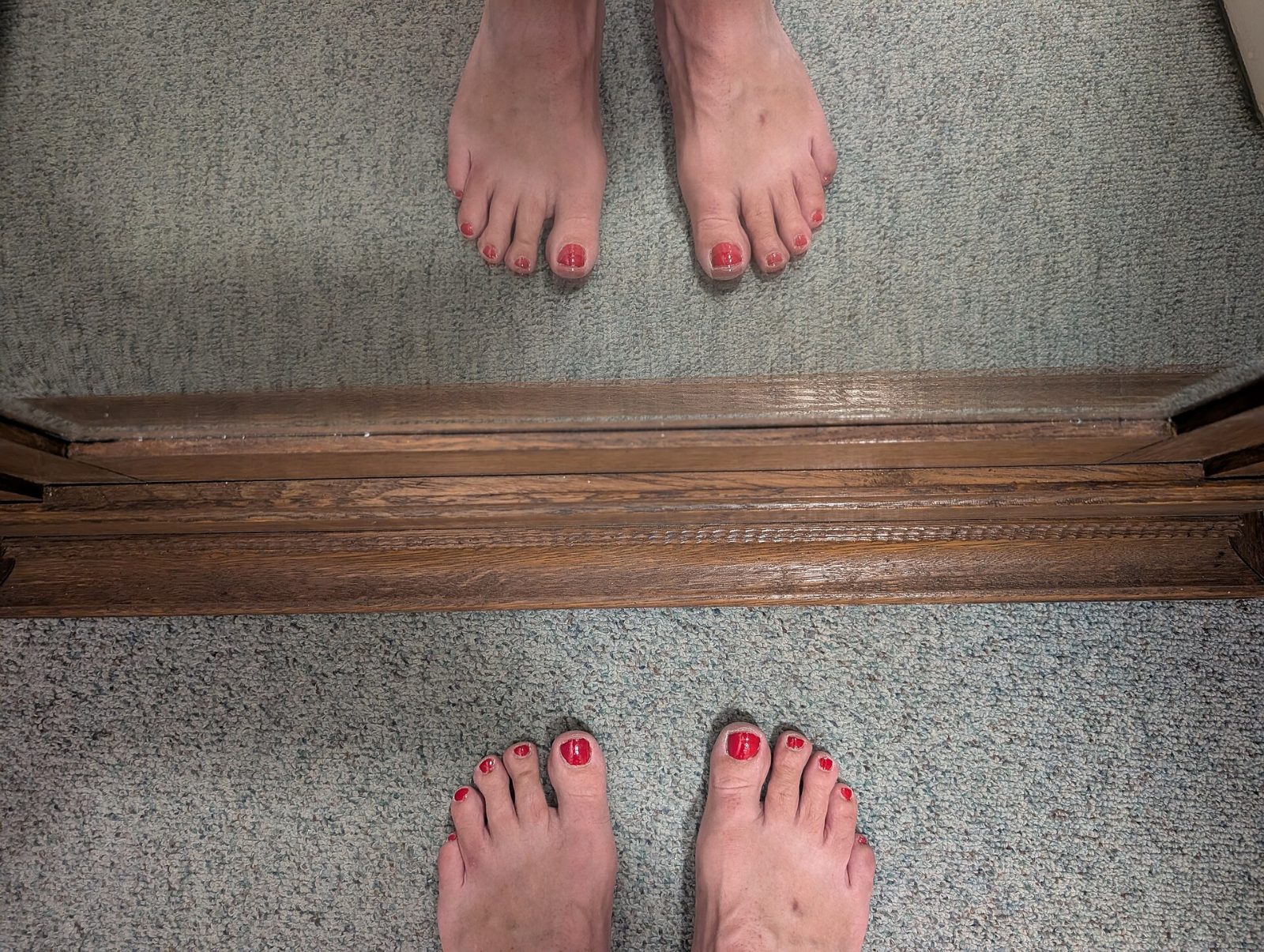
The main difference between a Russian manicure and a regular manicure is how the cuticle area is treated. A regular (classic) manicure softens the cuticles in water and pushes them back gently, while a Russian manicure is done dry, using an electric file to remove dead skin from the nail plate and folds so gel can be applied right up to the skin. Russian manicures look cleaner for longer but take more time, cost more and carry more risk if the technician is not well trained.
In this guide
Side by side
| Feature | Russian manicure | Regular (classic) manicure |
|---|---|---|
| Soaking | No, dry technique | Yes, a short warm soak |
| Cuticle work | E-file bits remove dead skin and lift cuticle; nippers for loose tags | Gentle pushing back; trimming only loose dead skin |
| Finish | Usually gel, applied very close to the cuticle | Regular polish, or gel as an upgrade |
| Typical time | Around 60 to 90 minutes | Around 30 to 45 minutes |
| Typical wear | About 3 weeks with gel | Several days to a week with regular polish |
| Regrowth look | Very neat, gap barely visible at first | Gap visible as nails grow |
| Skill required | High; e-file training essential | Moderate |
| Risk if done badly | Cuts, burns, thinning nails, infection | Minor nicks, infection if tools are dirty |
Our manicure types compared page adds Japanese, dip powder, shellac and acrylic to the comparison.

Why people choose a Russian manicure
- Precision. Colour starts right at the cuticle line, giving a sleek, almost printed look.
- Longevity. Because the cuticle area is so clean and regrowth looks tidy, many people go three weeks or more between appointments.
- Photos. The finish looks sharp in close-up photos, which has made it popular on social media and for weddings.
Why people stay with a regular manicure
- Gentler. No drill near living skin, and less chance of over-thinning the nail.
- Faster and usually cheaper.
- Flexible. Regular polish can be changed at home whenever you like.
- Lower risk for people with diabetes, poor circulation, blood-thinning medication or sensitive skin.
A quick way to decide
- Want gel to last three weeks and look perfect: Russian, with a highly trained technician
- Want a gentle, quick tidy and freedom to change colour: regular
- Have a health condition affecting healing: regular, after checking with your doctor
- Nails thin or recovering from damage: regular, with nourishing care
The technique in more detail
Russian manicure steps
- The nail is shaped dry.
- Using fine e-file bits at low speed, the technician lifts the cuticle and removes dead skin from the nail plate and sidewalls.
- Loose lifted skin may be trimmed with sterilised nippers.
- The nail surface is prepped and a gel base, colour and top coat are applied close to the cuticle, each cured under a lamp.
- Cuticle oil is applied.
Regular manicure steps
- Old polish removed, nails shaped.
- Fingertips soaked briefly in warm water.
- Cuticles pushed back gently; only loose dead skin trimmed.
- Hand massage.
- Base coat, two coats of colour and top coat.
Safety: where the real difference lies
A regular manicure is low risk when tools are clean. A Russian manicure is safe in skilled hands, but the e-file works very close to living tissue, so technique and hygiene matter much more.
Red flags in either service
- Tools not taken from a sealed sterilisation pouch
- Pain, burning or bleeding during the service
- A technician who cuts deeply into living cuticle
- Redness, swelling, pus or throbbing pain in the days after
If you notice signs of infection, see a licensed doctor or dermatologist in the UAE promptly, especially if you have diabetes or a weakened immune system.
UAE salons are licensed by municipal authorities that set hygiene rules, and it is normal to ask how tools and e-file bits are sterilised.
A Russian manicure buys you neatness and longevity; a regular manicure buys you simplicity and a wider safety margin.
How to tell a well-done Russian manicure
When you look at the finished result, a good Russian manicure has a smooth, intact skin edge around the nail with no raw, red or shiny patches, gel that sits evenly close to the cuticle without touching the skin, and a nail surface that has not been visibly thinned. In the following days there should be no throbbing, burning or weeping. If the skin looks raw or bleeds, the technique was too aggressive, however neat the colour looks.
Cost and time considerations
Russian manicures usually cost more because they take longer and require specialised training and equipment. Over a month, though, the difference narrows if you would otherwise book regular manicures weekly. Think about cost per week of wear, not just the price per visit.
Aftercare for both
- Apply cuticle oil daily; air conditioning dries skin and cuticles quickly.
- Wear gloves for cleaning and dishes.
- Do not pick at gel or cuticles.
- Book removal or refills on time.
Our home manicure checklist covers simple aftercare for both styles.
Frequently asked questions
Is a Russian manicure better than a regular one?
Neither is better for everyone. Russian manicures look neater for longer; regular manicures are gentler, faster and easier to change.
Does a Russian manicure damage nails?
Not when done correctly. Over-filing and aggressive cuticle work by poorly trained technicians cause most damage.
Can I have a Russian manicure without gel?
Some salons offer the dry cuticle technique with regular polish or a buff, but it is most commonly paired with gel.
Which is better for people with diabetes?
A gentle regular manicure without cuticle cutting is usually advised. Check with your doctor first.
Sources: American Academy of Dermatology, Dubai Municipality, Dubai Health Authority
Cover photo: Elmschrat, CC BY-SA 4.0. Last reviewed: 2026-11-25. General information only, not medical advice. Please consult a licensed practitioner in the UAE about your own situation.