
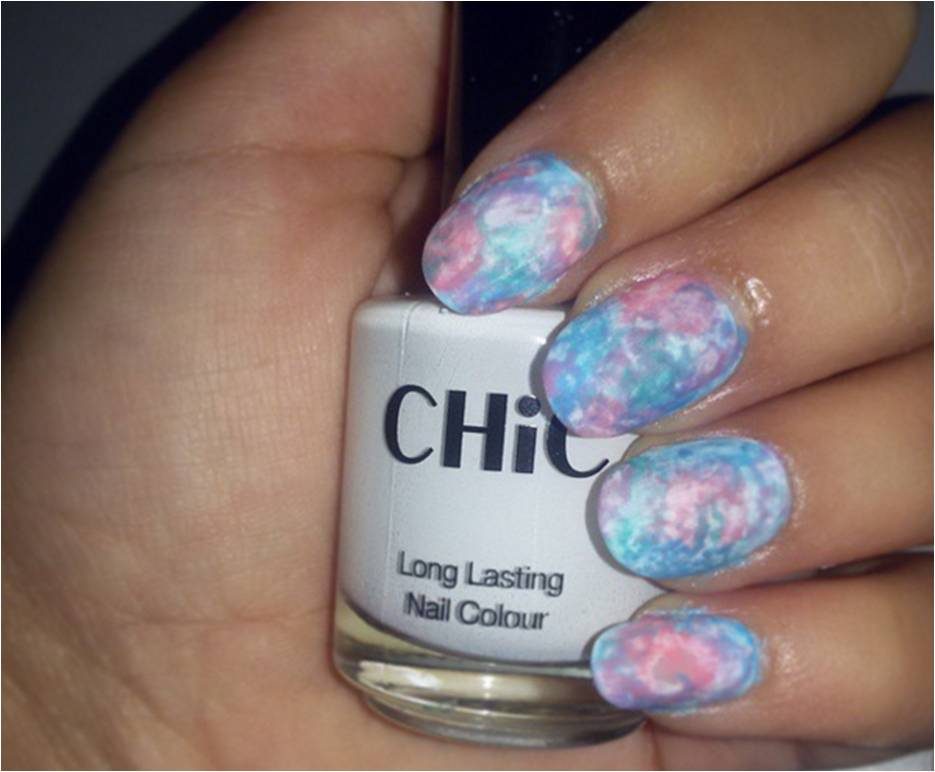
An acrylic nail manicure adds strength and length by sculpting a mix of liquid monomer and powder polymer over your natural nails, either on tips or on a form. A full set usually takes one to two hours, needs an infill roughly every two to three weeks as nails grow, and should be removed by soaking, never by prying. Done well, acrylics are durable and versatile; done badly, they damage the nail underneath.
In this guide
How acrylic nails are made
When the liquid monomer meets the powder, a chemical reaction starts and the bead hardens in the air within minutes. The technician shapes it on the nail before it sets. No lamp is needed.
- Prep. Nails are shaped short, cuticles pushed back and the shine lightly buffed off. A dehydrator and primer help adhesion.
- Tips or forms. Plastic tips are glued on and blended, or a paper or metal form is placed under the free edge for sculpting.
- Application. Beads of acrylic are placed and pressed into shape, thinner at the cuticle and sidewalls, with a slight arch for strength.
- Shaping. Once hard, nails are filed to the chosen shape and length and smoothed.
- Finish. Polish, gel colour or a clear top coat goes on top.
Choosing shape and length
| Shape | Look | Practicality |
|---|---|---|
| Square | Bold, classic | Strong, but corners can snag |
| Squoval | Softer square | Very practical for daily life |
| Almond | Elegant, slimming | Moderate strength |
| Coffin or ballerina | Long, tapered with flat tip | Stylish but needs length |
| Stiletto | Pointed and dramatic | Least practical, prone to breaks |
Longer nails look dramatic but are more likely to break and lever the natural nail. If you work with keyboards, children or your hands generally, short to medium length and squoval or almond shapes are easier to live with. Our manicure types compared page shows how acrylic compares with gel, dip and others.
Start shorter than you think
If it is your first set, go shorter. You can add length at your first infill once you know how you manage day to day.
Infills and how long acrylics last
Acrylic does not grow; your nail does. After two to three weeks, a gap appears at the cuticle and the balance point of the nail shifts forward, making it more likely to lift or snap. An infill fills the gap and rebalances the nail. Most people can wear acrylics for a few infill cycles before a full removal and fresh set.
The MMA question
Professional acrylic systems use ethyl methacrylate (EMA) liquid. Methyl methacrylate (MMA) liquid is cheaper and bonds very strongly, but it is considered unsuitable for nail use by many regulators and dermatologists. It is hard to remove, does not soak off easily and has been associated with nail damage and allergic reactions.
Signs a salon may be using MMA
- An unusually strong, sharp smell, beyond the normal acrylic odour
- Acrylic that will not soften in acetone, so it has to be ground off
- Prices far below other local salons for full sets
- Very hard, rigid nails that crack rather than bend under impact
Ask which liquid the salon uses. A reputable salon will answer clearly.
Safe removal
Removal is where most damage happens. A proper removal involves filing down the bulk of the product, soaking in acetone or using acetone wraps for an extended time, and gently pushing off the softened acrylic. It takes patience, often 30 minutes or more. Never pry, peel or bite off acrylics; the top layers of your nail come with them.
Health considerations
- Ventilation. Acrylic monomer vapour and filing dust are best managed with extraction at the desk and good room ventilation.
- Allergy. Acrylates can cause allergic contact dermatitis. Itching, redness or blisters around the nails, or on the face and eyelids, should be checked by a doctor.
- Infection. If acrylics lift and water gets trapped, bacteria or fungi can grow. A green or dark patch under the nail needs prompt removal and assessment.
- Nail damage. Over-filing during prep and repeated forceful removal thin the natural nail.
People with acrylate allergies, active nail infections, psoriasis or eczema affecting the nails, or diabetes with poor circulation should discuss acrylics with a licensed dermatologist in the UAE before booking.
Acrylics are only as healthy as their prep and removal: light filing on, patient soaking off.
Aftercare in UAE life
Oil your cuticles daily, wear gloves for cleaning and dishes, and avoid using nails to open cans or scrape labels. Pool chlorine and seawater can loosen edges over time; rinse and dry hands after swimming. If a nail lifts or cracks, book a repair rather than gluing it at home, which can trap moisture underneath. Our home manicure checklist includes a short aftercare list.
Frequently asked questions
How long do acrylic nails last?
With infills every two to three weeks, a set can be maintained for several weeks before a full removal.
Do acrylic nails ruin your natural nails?
Not necessarily. Damage usually comes from heavy filing, MMA products and forceful removal.
Can I get gel polish on acrylic nails?
Yes, gel colour over acrylic is common and keeps shine longer.
Are acrylics better than gel extensions?
Acrylics are very strong and versatile for length. Gel extensions are lighter and more flexible. The best choice depends on your nails and lifestyle.
Sources: American Academy of Dermatology, U.S. Food and Drug Administration, nail care products, Dubai Municipality
Cover photo: Yarden kedem, CC BY-SA 4.0. Last reviewed: 2026-11-25. General information only, not medical advice. Please consult a licensed practitioner in the UAE about your own situation.