
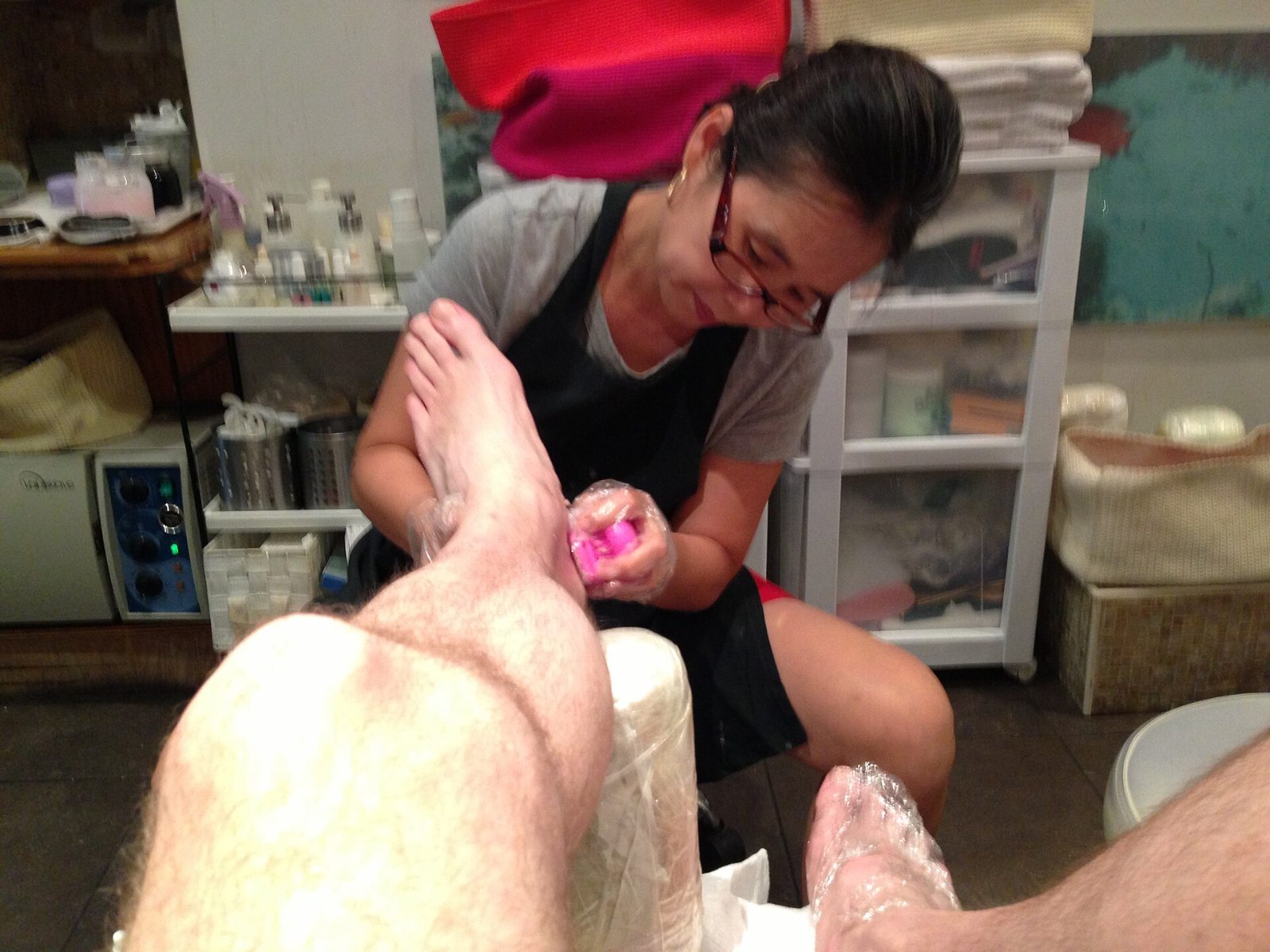
A home service manicure and pedicure brings a nail technician to your home, hotel or office with their own tools and products, so you get a salon-style treatment without travelling. It is hugely popular in the UAE, where heat, traffic and busy schedules make home visits convenient. The trade-off is that hygiene, licensing and quality depend entirely on the provider, so a few checks before booking are worth the effort.
In this guide
How home nail services work
Most home services in Dubai, Abu Dhabi and Sharjah are booked through an app, a website or a messaging service. You choose the treatments, pick a time slot, and a technician arrives with a portable kit: tools, polishes or gels, a UV or LED lamp, a foot basin, towels and disposable items. Some services also offer couples or group bookings for events such as bridal parties and Eid gatherings.
Services commonly offered at home include:
- classic and spa manicures and pedicures
- gel polish application and removal
- French and simple nail art
- men’s grooming manicures and pedicures
- sometimes builder gel or extensions, depending on the provider
Home service vs salon: pros and cons
| Convenience | No travel; useful in summer heat | Requires travel and parking |
|---|---|---|
| Comfort | Familiar setting, privacy | Salon atmosphere, more equipment |
| Equipment | Portable kit only | Full stations, ventilation, sterilisation equipment |
| Hygiene control | Depends on provider’s process | Inspected premises |
| Group bookings | Easy for parties and families | Depends on availability |
| Cost | Often includes a call-out or minimum charge | No travel fee |
Licensing in the UAE
Beauty services, including those delivered at home, are commercial activities that need appropriate licensing from the relevant authorities in each emirate. Established home service companies operate under trade licences and set hygiene procedures for their staff. When booking through social media or word of mouth, it is reasonable to ask whether the provider is licensed and whether technicians are employed or freelance.
Questions to ask before booking
- Is the business licensed in this emirate?
- How are metal tools sterilised, and will they arrive sealed?
- Are files, buffers and foot liners new for each client?
- What happens if I am unhappy with the result?
- Is there a call-out fee or minimum order?
Hygiene: what to watch for on the day
The technician should arrive with tools that are clearly clean and ideally in sealed sterilisation pouches. Disposable items, such as files, buffers, pumice pads, toe separators and basin liners, should be new and opened in front of you.
Stop the treatment if you notice
- Tools taken loose from a bag rather than sealed packaging
- Used or worn files and buffers
- A foot basin with no liner and no visible cleaning
- Razor blades used to shave calluses
- Cutting of cuticles until they bleed
It is entirely acceptable to ask the technician to use your own clippers or file, or to skip a step you are uncomfortable with.
Convenience should not cost you hygiene. A good home service brings the same standards as a good salon, just in a smaller box.
Preparing your space
A little preparation helps the technician work comfortably and safely.
- Choose a well-lit spot near a table and a comfortable chair.
- Ventilate the room if gel or polish will be used; open a window or switch on a fan.
- Protect surfaces with a towel, since acetone and polish can damage wood and fabric.
- Have access to warm water for the pedicure basin.
- Keep pets and small children away from tools and the UV lamp.
Who should take extra care
- People with diabetes or poor circulation: avoid any cutting of calluses or cuticles, and consider a podiatrist instead.
- Pregnant clients: choose a well-ventilated room and tell the technician so massage pressure can be adjusted.
- Anyone with nail fungus, warts or an infected toe: have it treated before a pedicure, to avoid spreading infection or hiding it under polish.
- People with known allergy to gel products: say so before the technician begins.
See a doctor if, after any manicure or pedicure, you develop redness, swelling, warmth or pus around a nail, or an itchy rash around the nails after gel.
Getting the best result
- Book gel removal with a new set, rather than peeling old gel off yourself
- Ask for a patch of skin-safe space if you have sensitive skin around nails
- Agree on the nail shape and length before filing begins
- Wear open sandals after a pedicure to protect fresh polish
Our manicure types compared table helps you choose a service, and the home manicure checklist is handy for touch-ups between visits.

Frequently asked questions
Is home service manicure and pedicure more expensive?
Prices vary widely by provider and treatment. Some include a call-out fee or minimum spend. Compare the total price for the services you want.
Can a home technician do gel?
Many can, using a portable LED or UV lamp. Make sure the room is ventilated and ask how they remove gel.
How long does a home manicure and pedicure take?
A classic combination usually takes around one to one and a half hours for one person. Gel and nail art take longer.
Is it safe to book a home nail service?
Booking through a licensed business with clear hygiene procedures reduces risk. Check reviews, ask about tool sterilisation, and stop the service if you have concerns.
Sources: American Academy of Dermatology, Dubai Municipality, Dubai Department of Economy and Tourism
Cover photo: David Shankbone, CC BY 3.0. Last reviewed: 2026-11-25. General information only, not medical advice. Please consult a licensed practitioner in the UAE about your own situation.