
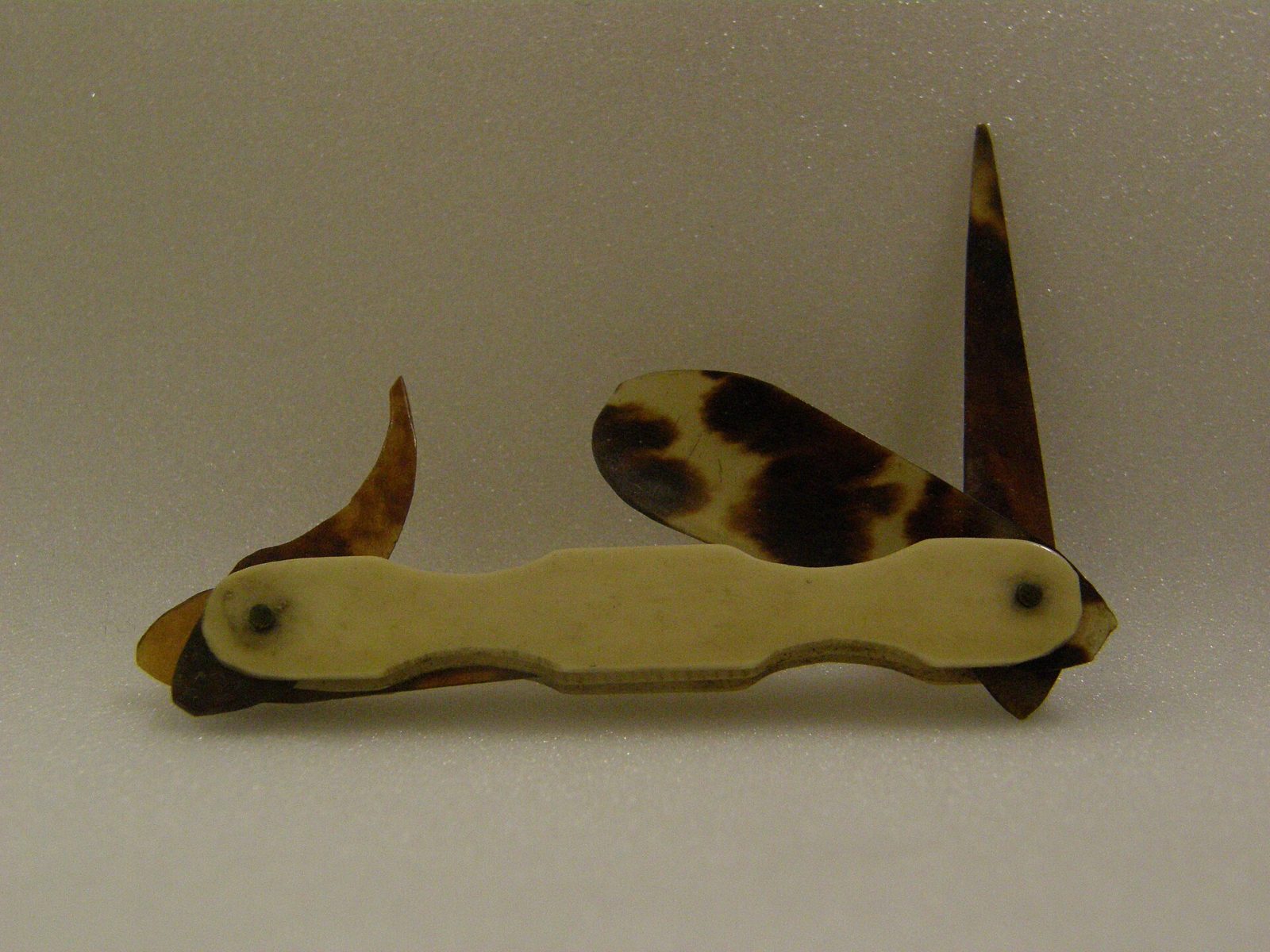
A good manicure set needs only a handful of quality tools: sharp nail clippers, a fine file (glass is ideal), a cuticle pusher, small nippers for hangnails, and a buffer. Stainless steel and glass tools last for years and are easy to clean, while large sets packed with low-quality extras often end up unused. The way you clean and store the tools matters as much as what you buy.
In this guide
The essential tools
| Tool | What it does | What to look for |
|---|---|---|
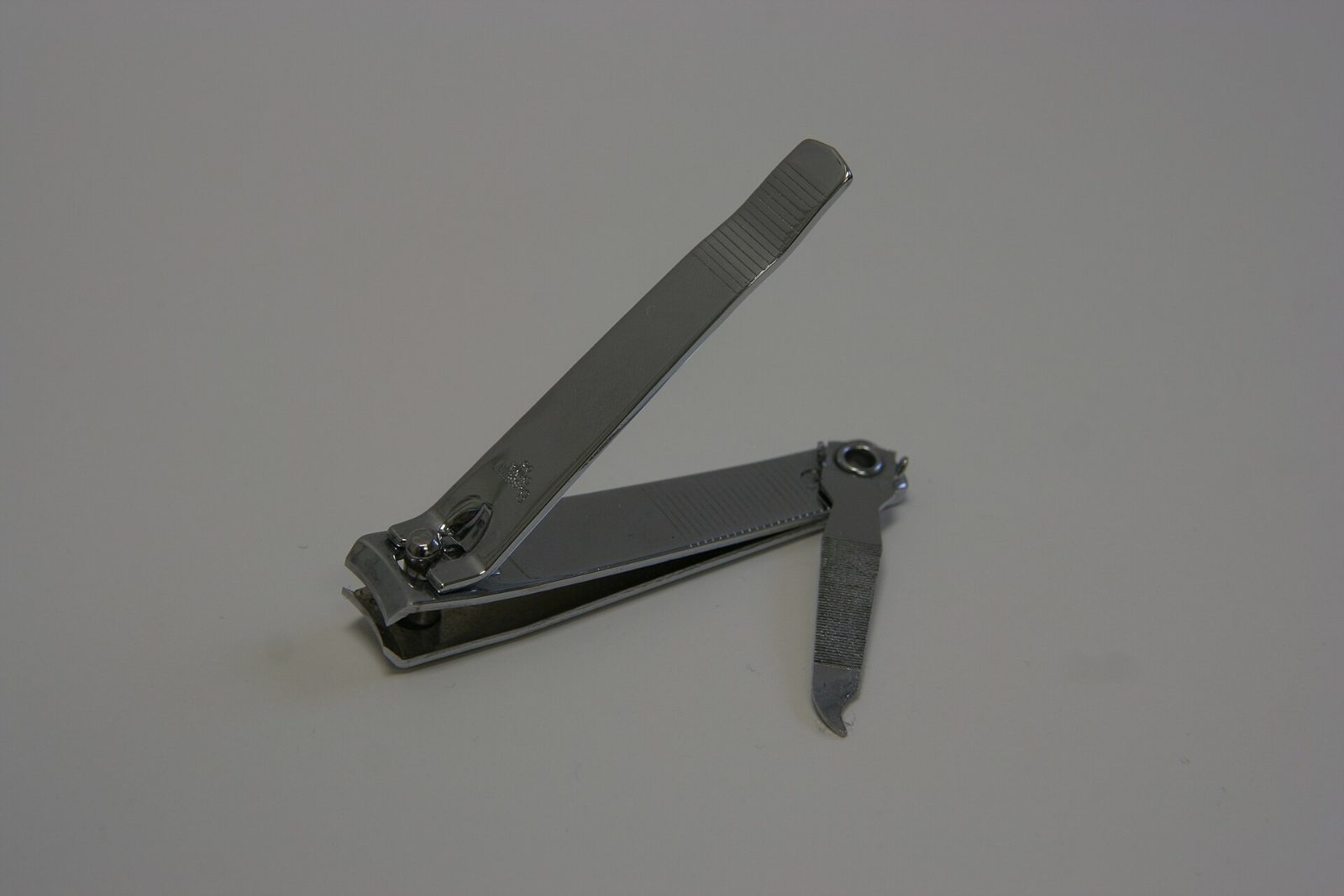
| Fingernail clippers | Shorten nails quickly | Sharp, aligned blades in stainless steel; slightly curved jaw |
| Toenail clippers | Cut thicker toenails straight across | Larger, straight jaw; strong lever |
| Nail file | Shape and smooth the edge | Glass or fine-grit (around 180 to 240) file |
| Cuticle pusher | Gently push back softened cuticles | Rounded, smooth edge; stainless steel or orange-wood sticks |
| Cuticle nippers | Trim hangnails and loose, dead skin only | Small, sharp, precise tips |
| Buffer | Smooth ridges and add shine | Multi-sided block or soft buffer; use gently |
| Small scissors | Trim hangnails or tidy edges | Fine, curved tips |
You can build a very effective kit with just clippers, a glass file, a pusher and a buffer. Nippers are useful, but they are the tool most often misused.
Glass, metal or emery: which file?
Glass (crystal) files are fine-grit and seal the nail edge as they file, which reduces peeling and splitting. They are easy to wash and last for years if you do not drop them.
Emery boards and foam files are cheap and gentle, but wear out and cannot be properly cleaned, so they are best used by one person and replaced often.
Coarse metal files are often included in budget sets. They can be harsh on natural nails and tend to cause splitting, so many nail technicians and dermatologists suggest avoiding them for natural nails.
Filing technique
File in one direction, from the side towards the centre, rather than sawing back and forth. This reduces fraying and peeling at the edge.
Extras that are nice to have
- Cuticle oil: probably the most valuable “tool” for healthy nails.
- Foot file or pumice: for gently smoothing heels.
- Nail brush: for cleaning under nails.
- Toe separators and cotton pads: handy if you paint your own nails.
- A zipped case: keeps tools clean, dry and together when travelling.
What to skip
Large, inexpensive sets with twenty or more pieces often include blackhead extractors, ear spoons, tweezers and blades of questionable quality. Some include callus shavers with razor blades. These can easily cut too deep into the skin of the foot and are best avoided, especially by anyone with diabetes or poor circulation.
One excellent pair of clippers is worth more than a box of mediocre tools. Buy fewer, better pieces.
Men’s manicure sets
Men’s sets usually focus on grooming rather than polish: larger clippers, a sturdy file, a pusher, nippers and sometimes scissors for nose or beard trimming. The same quality rules apply. A compact leather or hard case is practical for travel and gym bags.
Keeping tools clean
Manicure tools touch skin and can carry bacteria or fungi from one nail to another, or from one person to another. At home:
- Wash metal and glass tools with warm water and soap after each use, using a small brush to clean hinges.
- Disinfect by wiping or soaking in 70 percent isopropyl alcohol and letting tools air-dry.
- Dry completely before storing to prevent rust.
- Replace emery boards, buffers and foam files regularly, since they cannot be properly disinfected.
Do not share manicure tools
Sharing clippers, nippers or files can spread nail fungus and skin infections. Keep a separate set for each family member, especially if anyone has a fungal nail infection or warts.
Using the tools safely
- Soften cuticles with a warm shower or soak before pushing them back.
- Push gently; the cuticle protects the nail matrix from infection.
- Use nippers only for loose, dead skin and hangnails, never on living skin.
- Cut toenails straight across to help prevent ingrown nails.
- Stop if anything bleeds; clean the area and keep it covered.
See a doctor if you notice redness, swelling, warmth or pus around a nail, or if a nail becomes thick, discoloured or painful. People with diabetes or circulation problems should have feet checked by a podiatrist rather than trimming calluses themselves.
Buying in the UAE
Manicure sets are sold everywhere from pharmacies and supermarkets to department stores and online. Stainless steel tools from established brands are widely available. Check the blades are aligned, the hinges move smoothly, and the tips meet precisely. Avoid sets where the plating looks thin or chips easily.
Our home manicure checklist shows how to use a basic kit step by step, and manicure types compared helps you decide when a salon visit is worth it.
Frequently asked questions
What should a basic manicure set include?
Clippers, a fine or glass file, a cuticle pusher, a buffer and ideally small nippers for hangnails. Add cuticle oil and you have everything you need.
Are glass nail files really better?
For natural nails, many people find glass files gentler and less likely to cause peeling. They are also easy to clean.
How often should I replace my tools?
Quality stainless steel tools can last years. Replace them if blades become dull, misaligned or rusted. Replace emery boards and buffers regularly.
Can I use a manicure set on gel nails?
Use files and buffers gently on gel. Never pry or peel gel off with tools; have it soaked off or removed professionally.
Sources: American Academy of Dermatology, NHS
Cover photo: Wikimedia Commons contributor, CC BY 4.0. Last reviewed: 2026-11-25. General information only, not medical advice. Please consult a licensed practitioner in the UAE about your own situation.